R
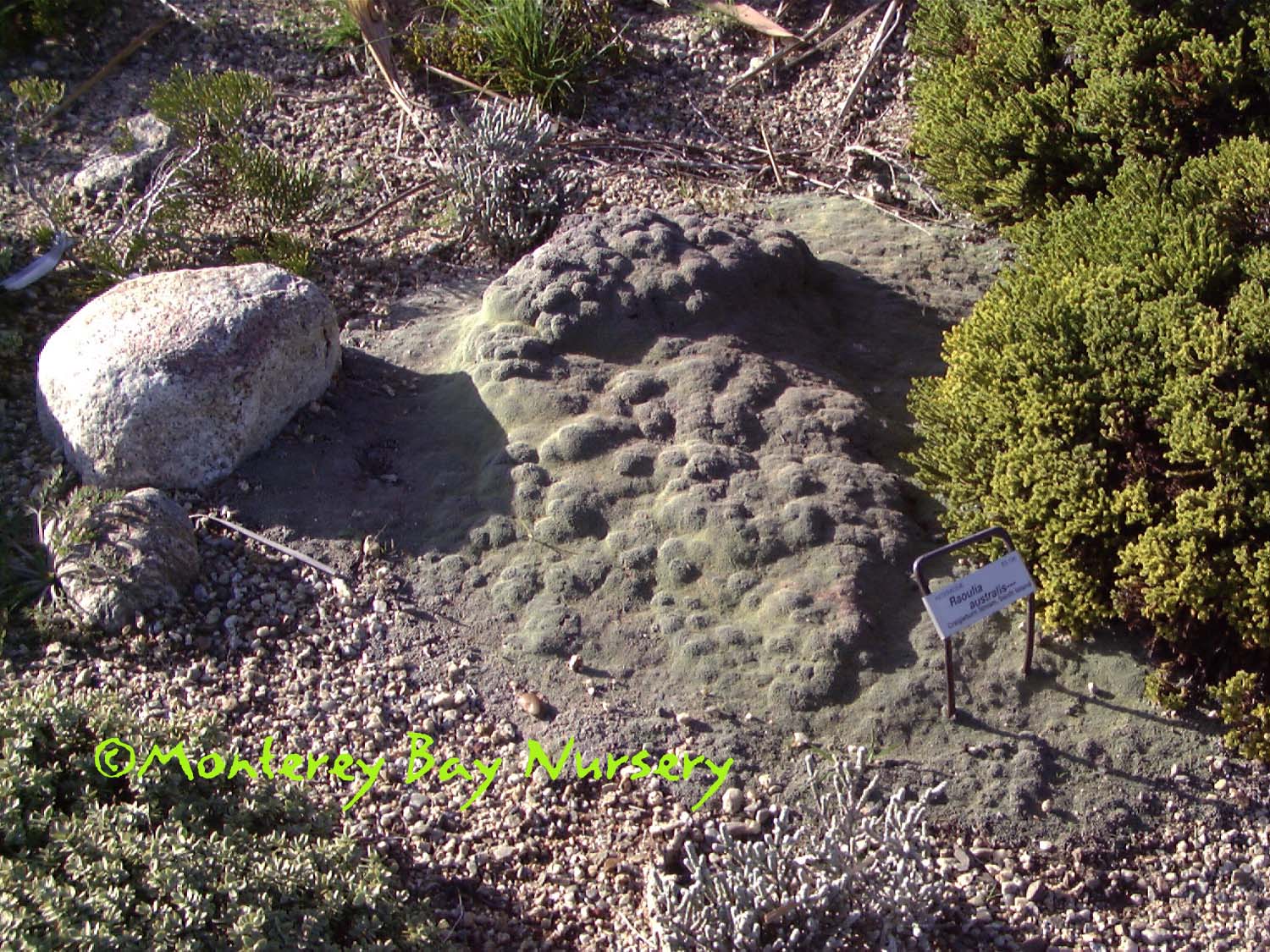
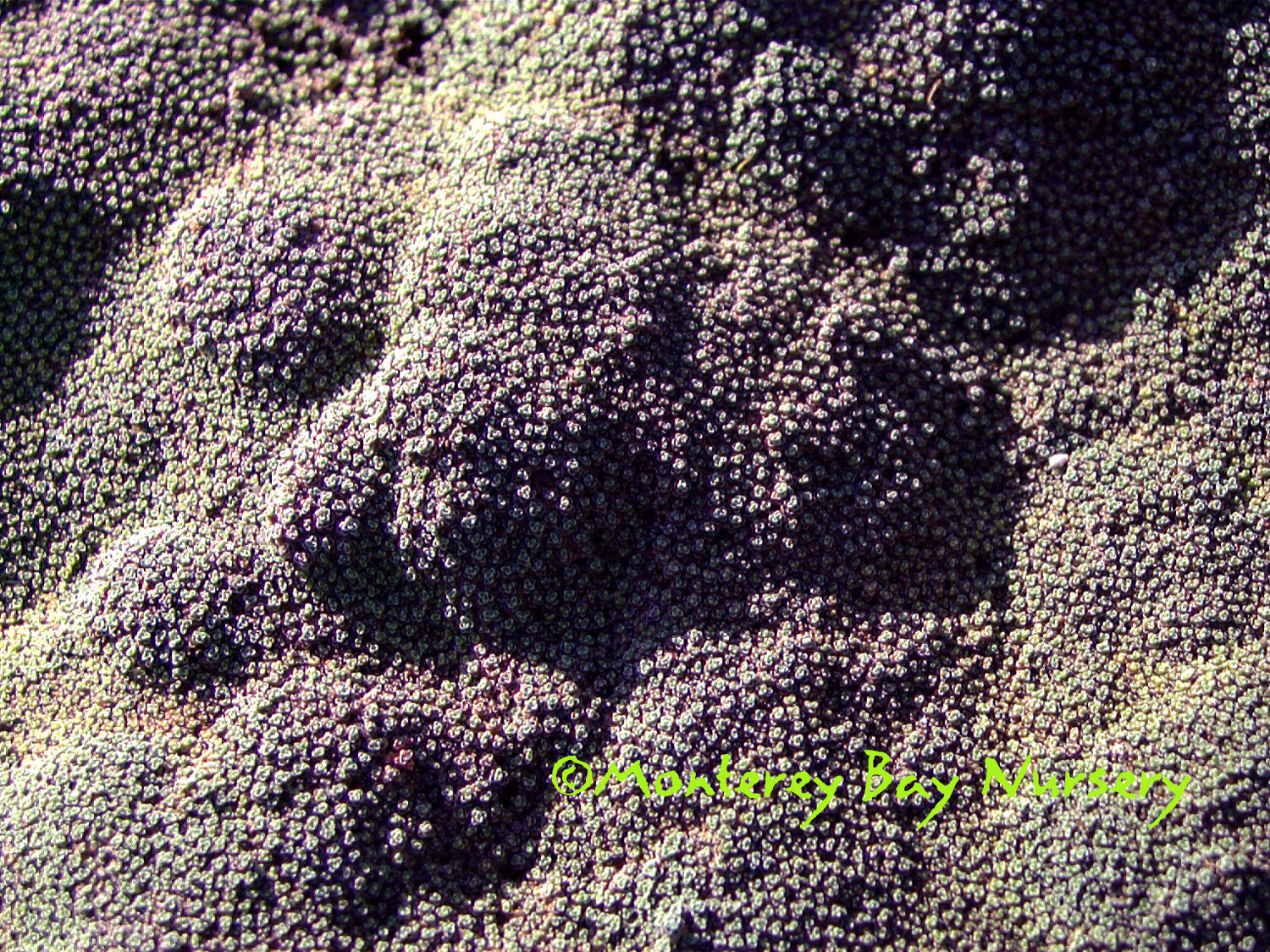
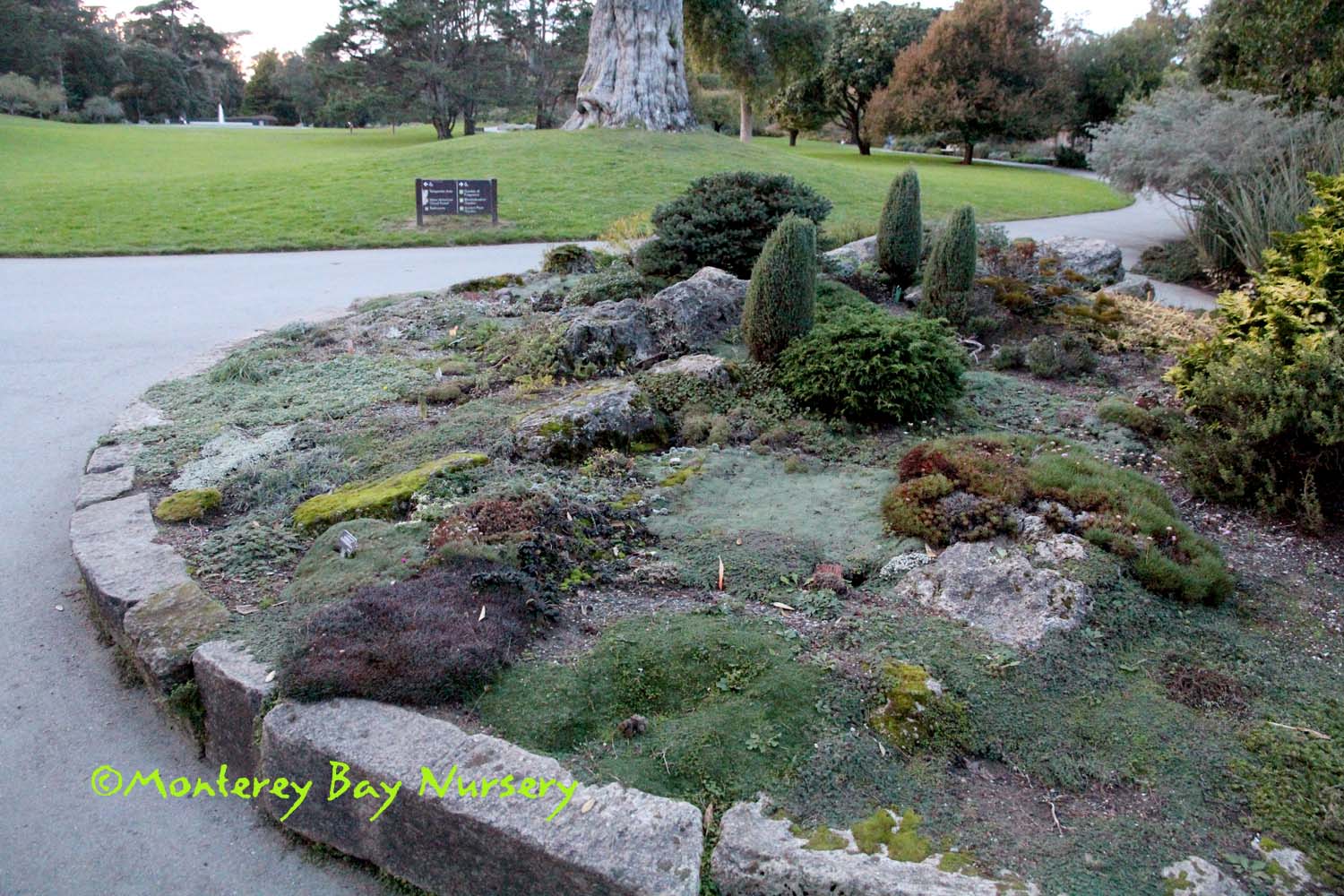
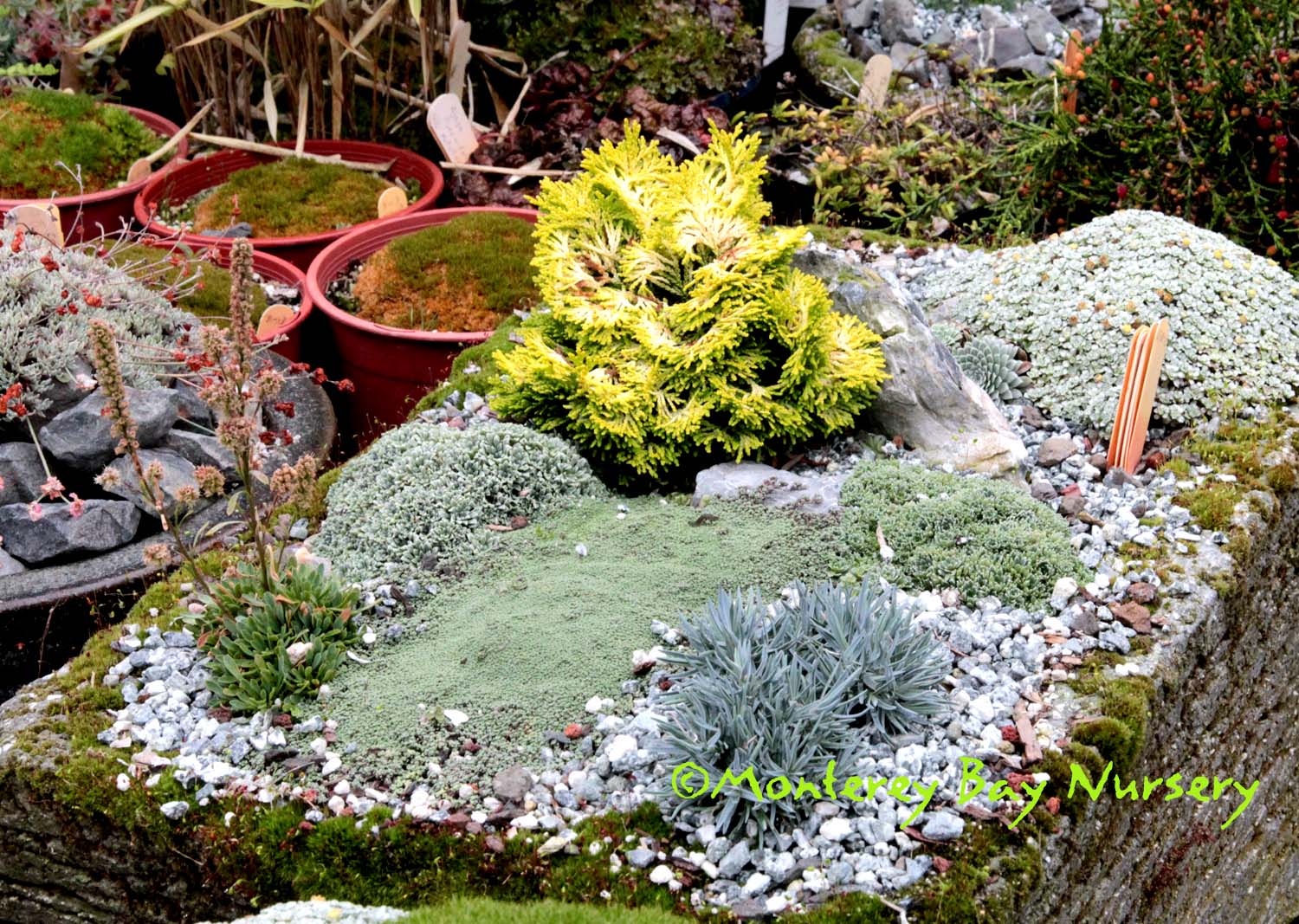
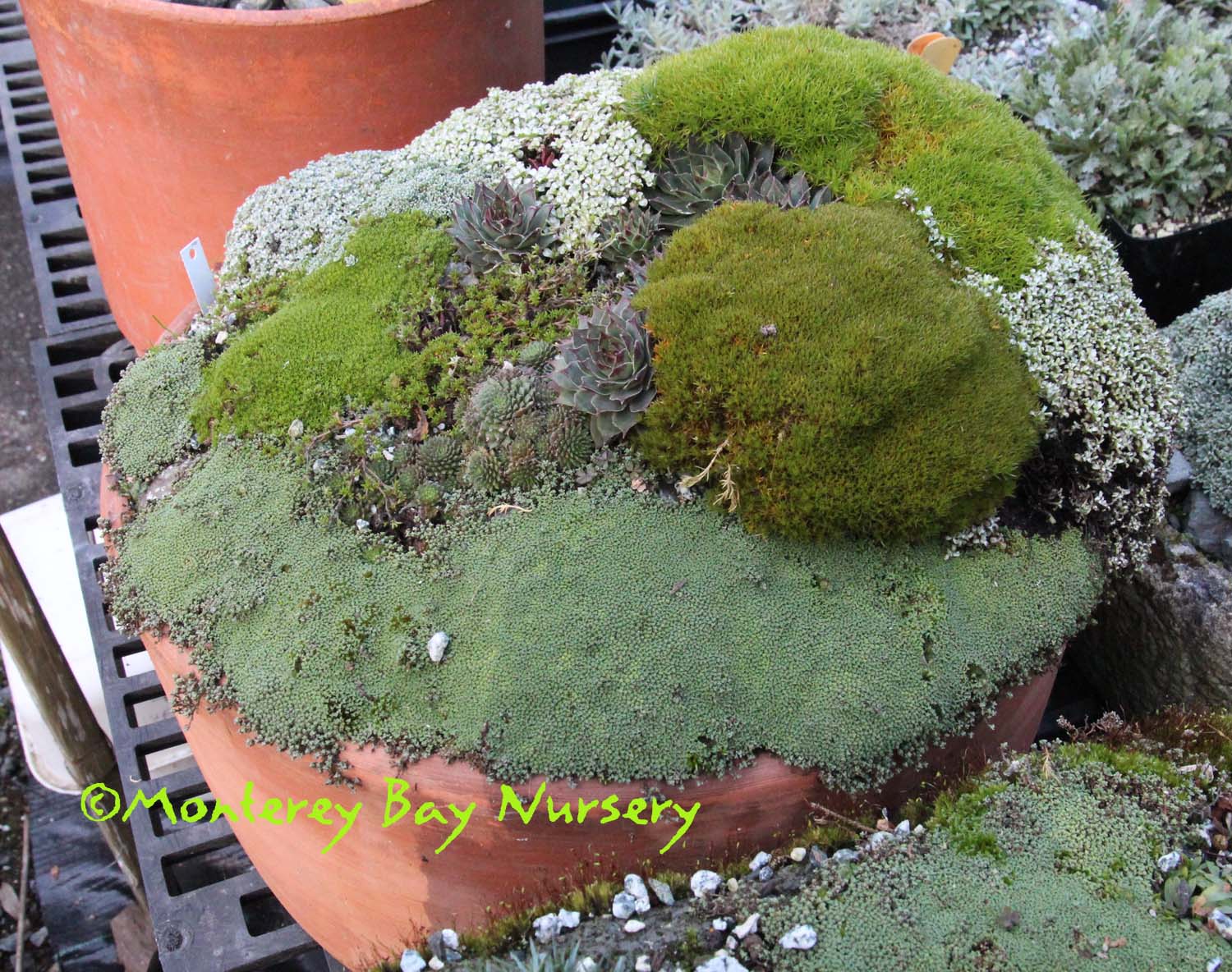
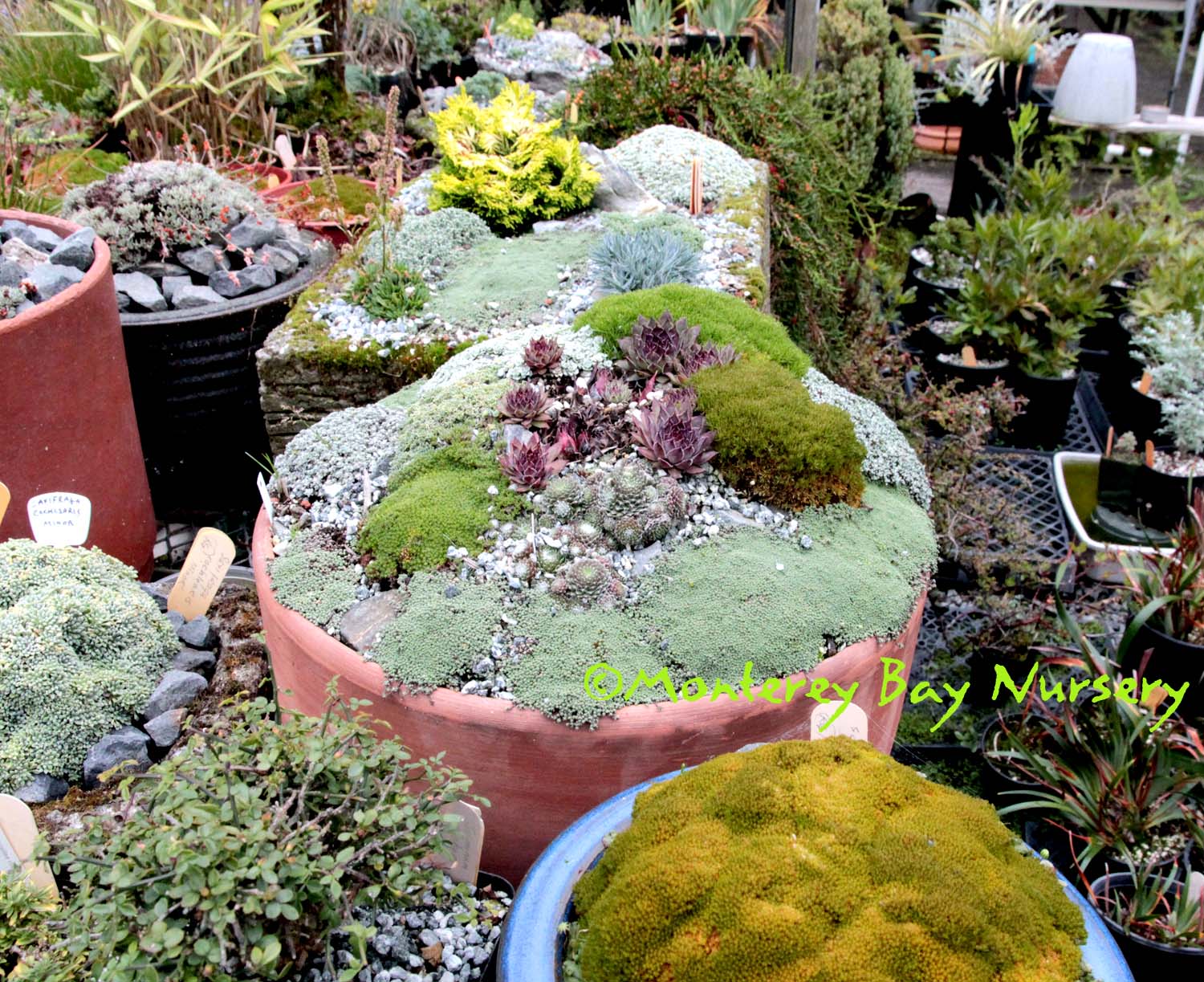
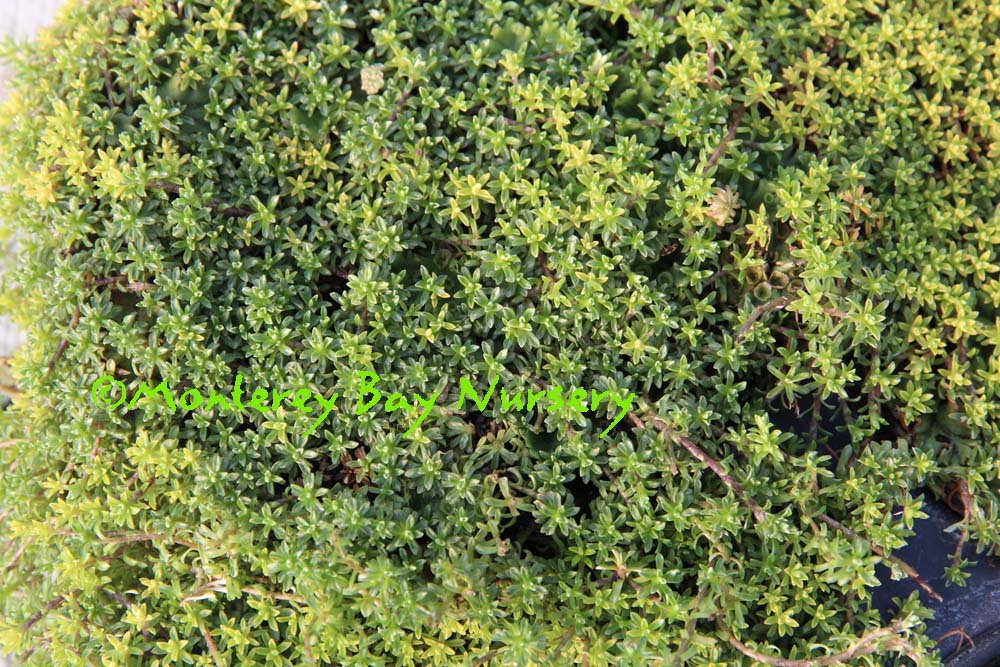
Raoulia australis (not currently in production) VEGETABLE SHEEP UCSC Edward D. Landels New Zealand Garden very close wonderful Strybing Arboretum Mat Plants entry garden display Strybing nursery stone sink Strybing container combo 1 combo 2 an intriguing and unusual animal. Looks and feels like a bed of tiny, moist gravel. My first nursery boss, the great and current Herb Senft at Santa Cruz Lumber, gave up on it - chickens pecked it into oblivion thinking it was grit. Grows to only about 1/2" tall, at most, spreads outwards very slowly. A member of the sunflower/daisy family, but flowers are minute and insignificant flowers. Use it as a soil-level backdrop for other cute low but taller things, alpines, succulents, or just feature it by itself against rocks, wood edging, something colorful and artistic, you get the picture. It makes a spectacular solitary large container plant, believe it or not, especially if you have a really striking container. Like Scleranthus biflorus, is a member of the unusual "mat/moss/cushion communities" of New Zealand and Australia, found in windswept, miserable places, usually with very lean, sterile, sandy or gravelly soils. These communities are dominated by lichens, grasses and dwarf, clumping, moss-like alien plant creatures evolved from many families, whose competitive strategies are just to slowly inch up and over their most obnoxious neighbors. Needs excellent drainage, average watering, and likes peat moss in an undrained container beneath it in the pot or planting hole. Full sun to part shade. USDA zone 7/Sunset zones 2-9, 14-24. New Zealand. Compositae/Asteraceae. rev 12/2018
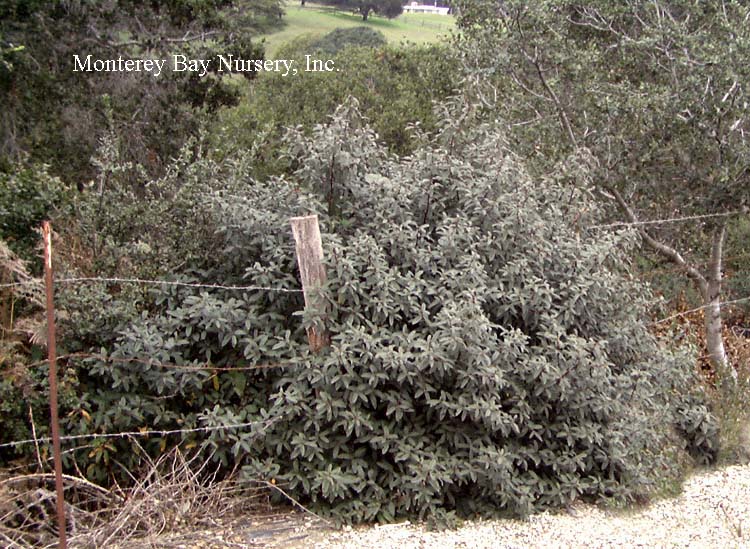
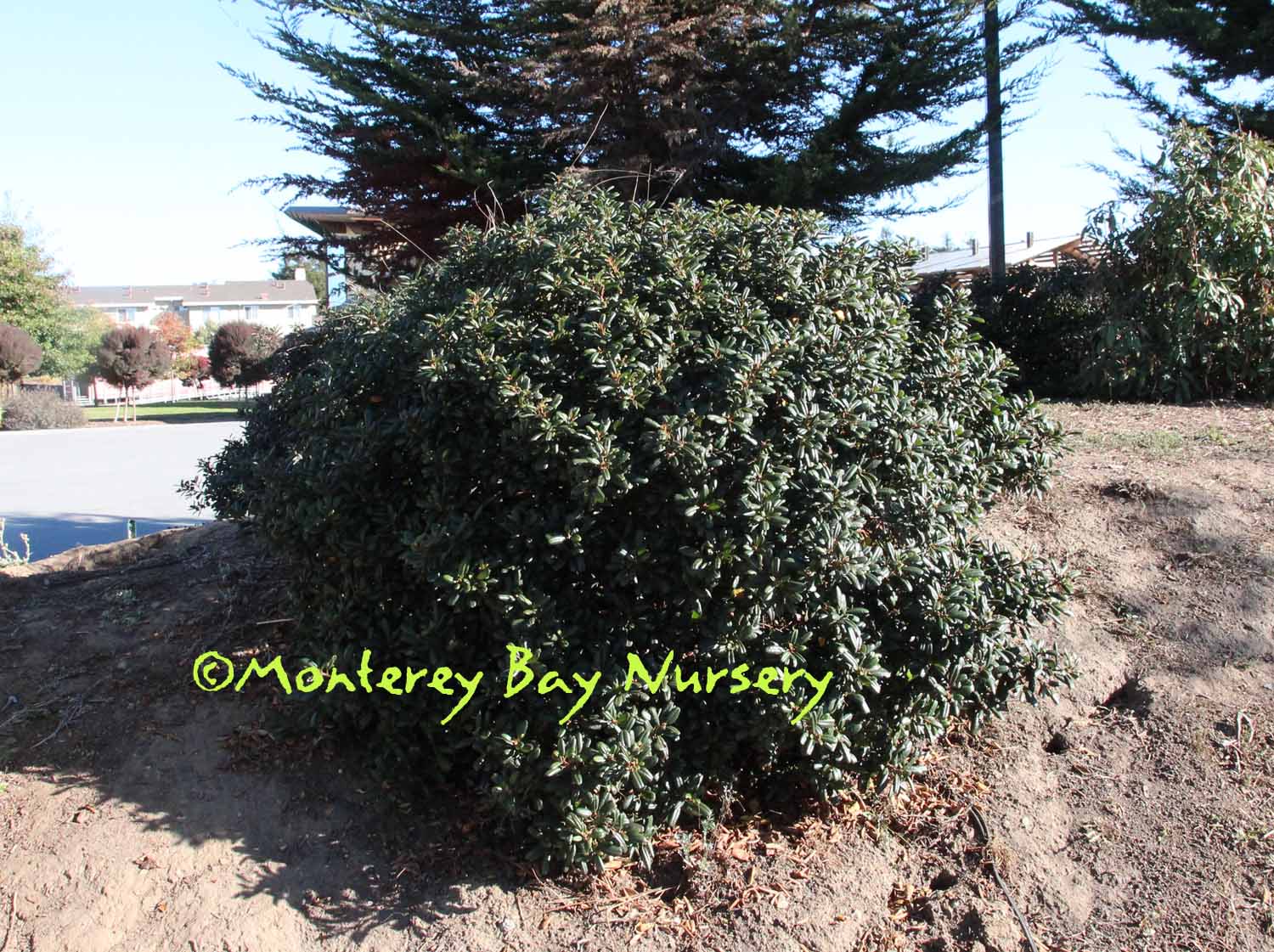
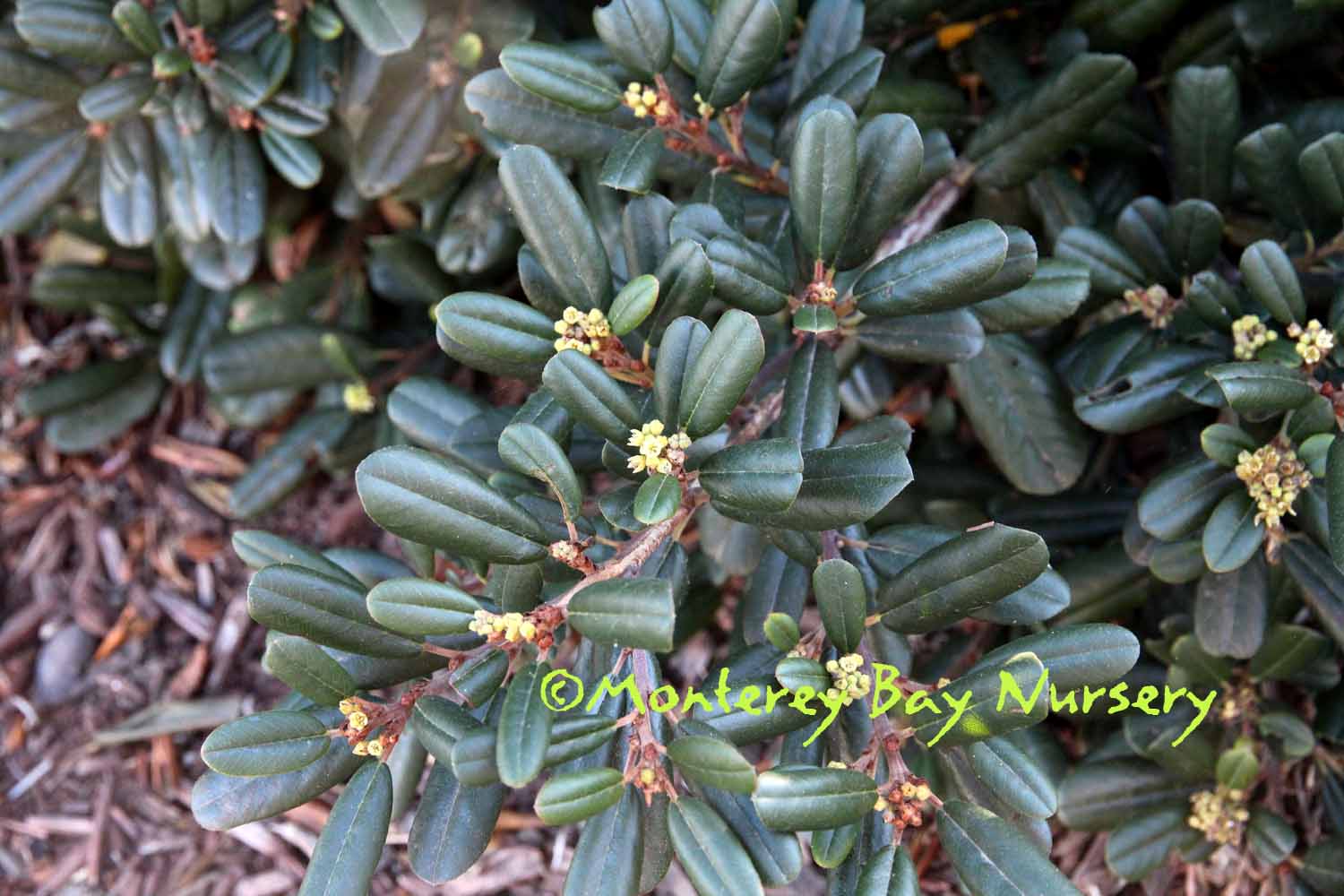
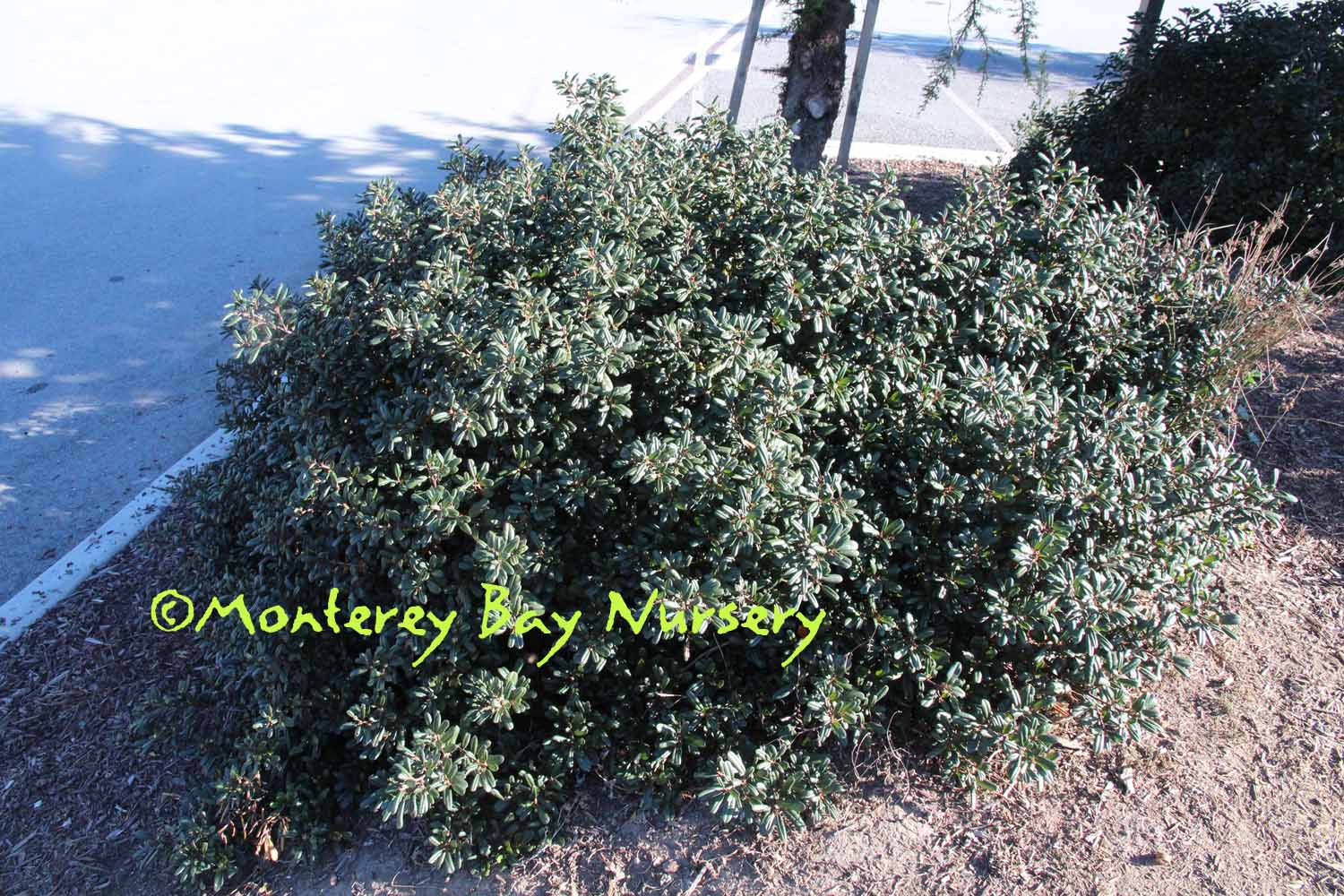
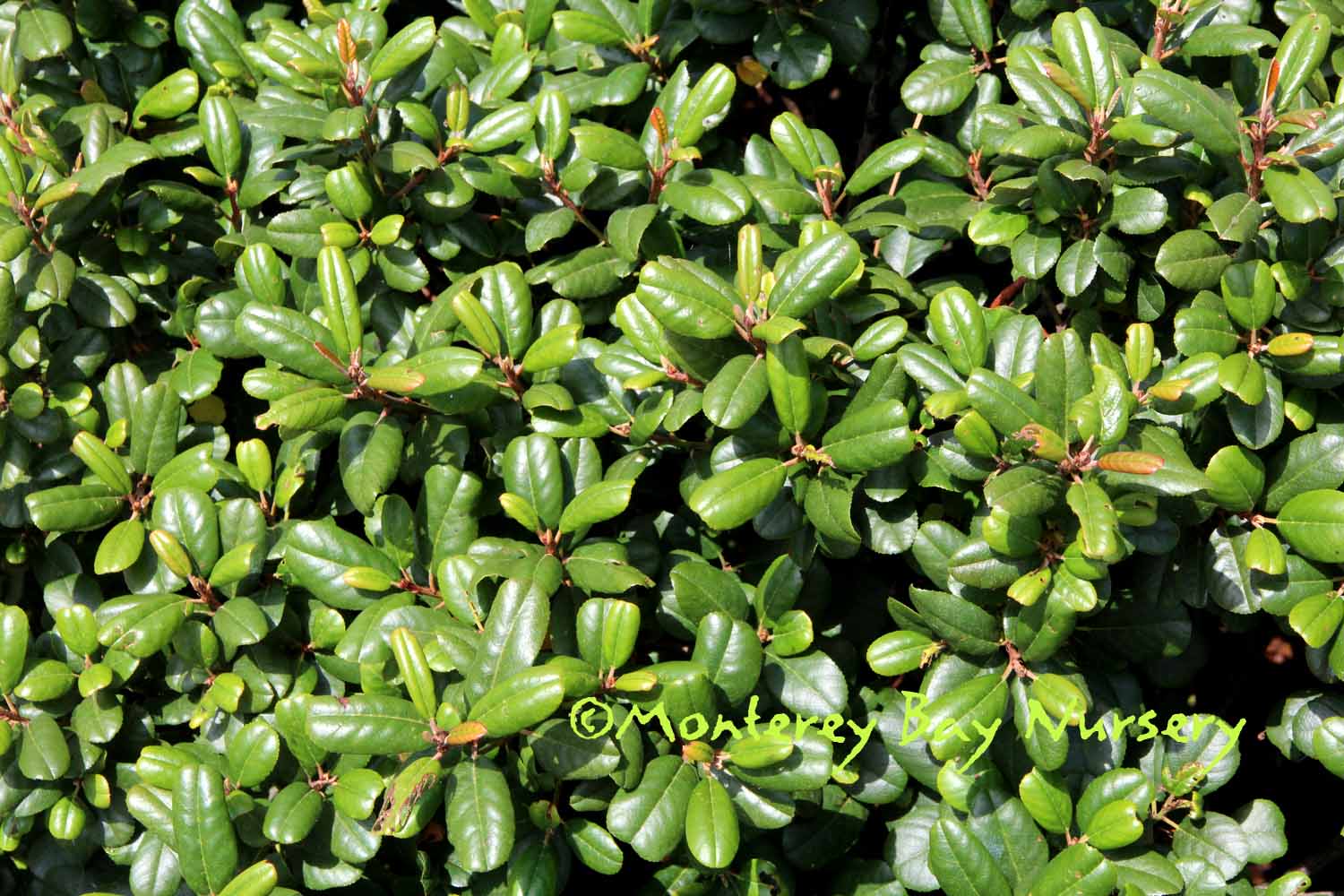
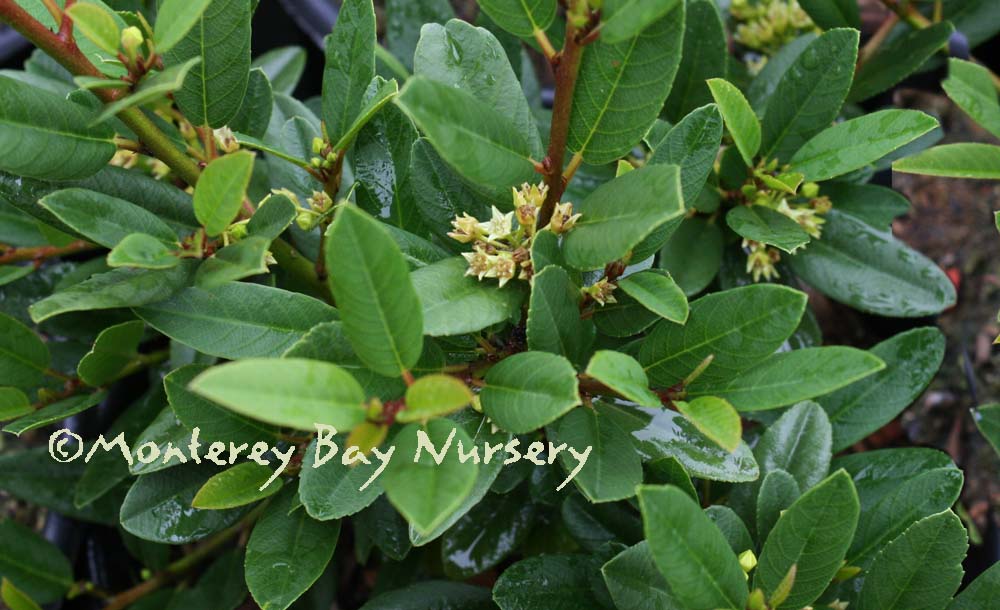
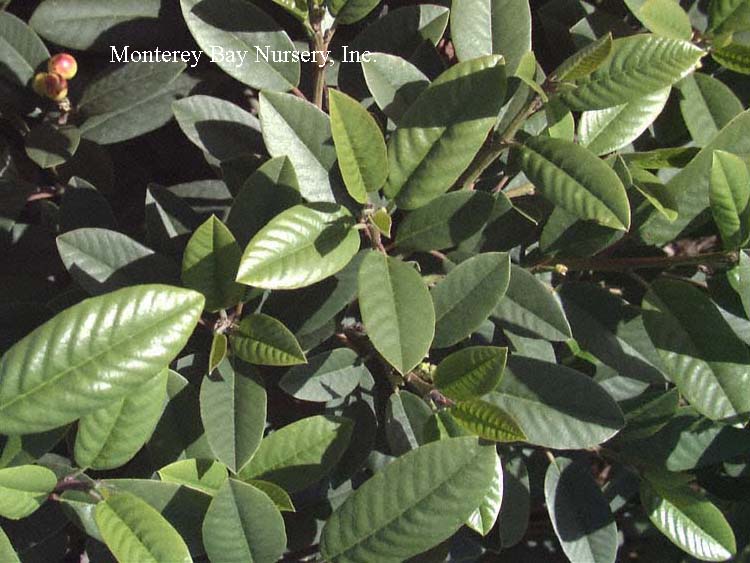
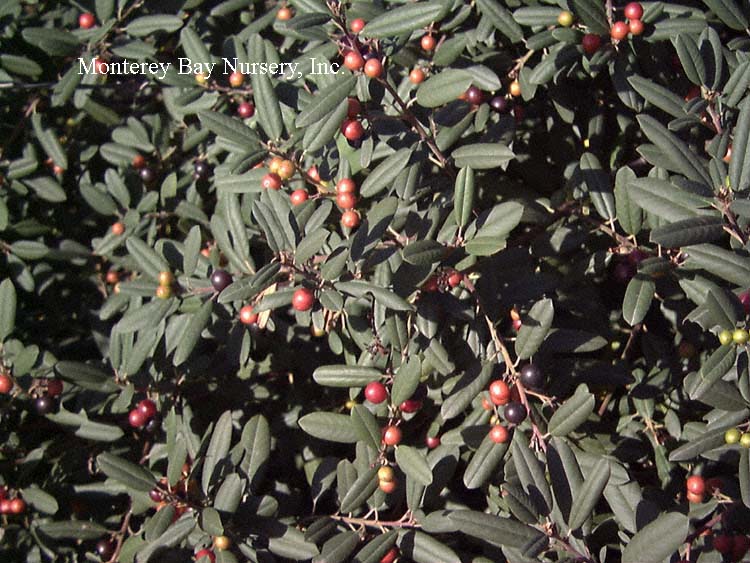
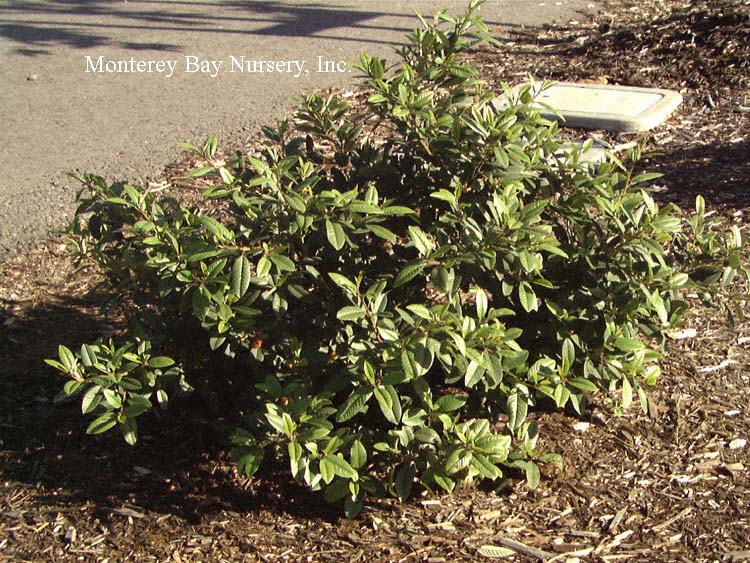
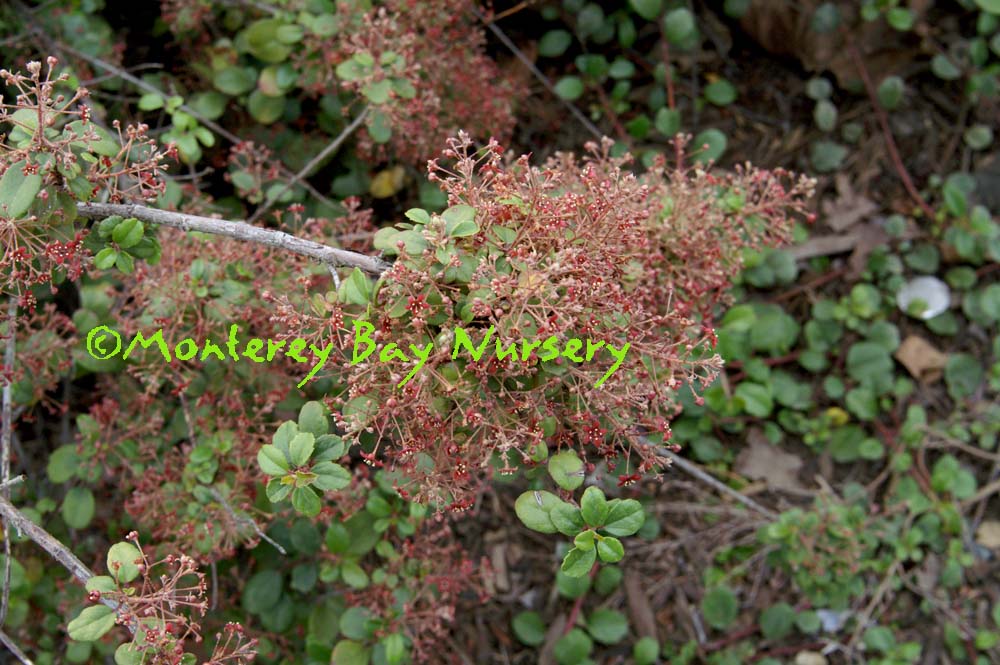
Rhamnus (Frangula) californica COFFEEBERRY foliage, native, at our nursery site a usually large, usually relatively open California native shrub, with dark green, oval leaves and noticeable clusters of large red berries which mature to shiny black. It is the dominant understory tree in our local Live Oak woodland, reaching up to 15' under the canopies of tall oaks in sandy soils and cool-summer conditions. In sunny, open, hot, dry situations it is substantiall smaller. This plant is very tough, very drought tolerant in most applications, frost hardy enough for all of California except for the High Sierras, can be used in sun or shade whether inland or coastal, is not picky about drainage or soil types, attracts many types of birds which dine on the fruit and is usually deer-resistant. It is now sold in the trade as selected varieties. Related to Wild Lilac (Ceanothus), Italian Buckthorn (Rhamnus alaternus) and Hairy Golden Wonder (Phyllica). Native from southern Oregon into Baja and east to New Mexico, including higher elevation Jeffrey Pine Shrublands habitats in the Eastern Mojave mountain ranges in California and Nevada. Often regarded as Frangula in recent publications. USDA zone 8. Rhamnaceae. rev 6/2019
'Eve Case' the original selected form, and for decades the only one available. Large, attractive dark green leaves with a bluish sheen, reddish stems, compact habit and medium height in most situations, reaching 5-8' tall or more by 6-10' wide. rev 6/2019
'Leatherleaf' commercial planting, St. John's Church near Seacliff Beach foliage closeup St. John's Church II St. John's Church III spring foliage a Roger Raiche selection from Montara Mountain in the northern Santa Cruz Mountains, and a most excellent find it was. Usually grows as a solid dome of dense, very dark dark green, shiny foliage. If it looks almost like a Pitt Tobira, with leaf edges partially rolled under, it's this variety. It often shows a silvery sheen when in new growth. Easily clipped and kept small, reaches about 5-8' tall and wide with age and good conditions. Easily the most formal appearing of all, and possibly the best for commercial installations due to its predictable response to shearing. We like it!! Found by Rorev 6/2019
'Mound San Bruno' foliage a compact grower with dense, small foliage, and that fine texture is a nice variation on the theme. It's not necessarily a small plant though, ranging from 4-8' in height by as much or more wide. Dark green foliage. rev 6/2019
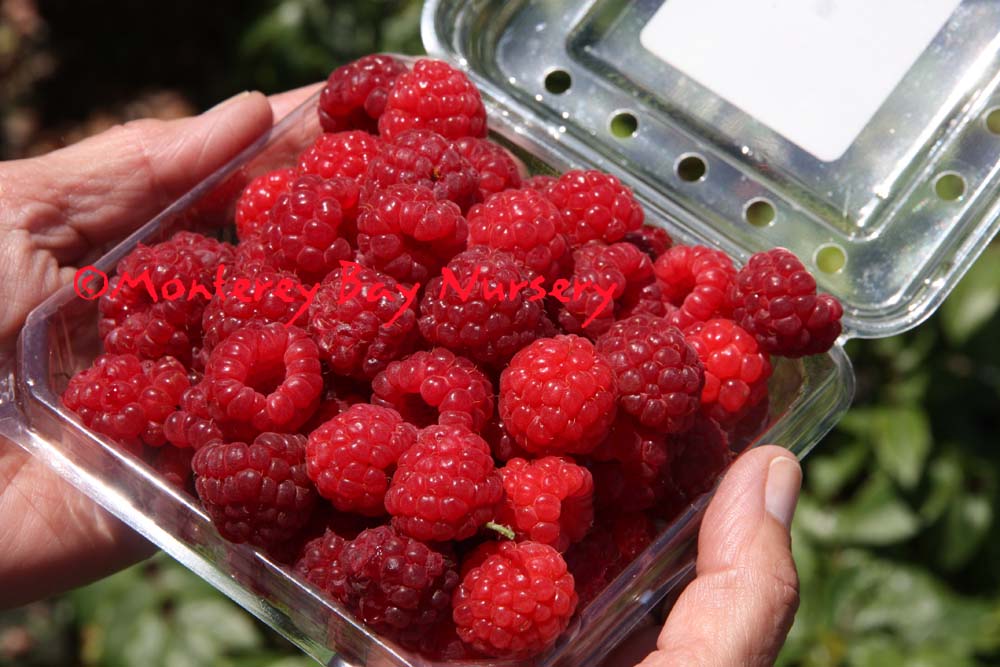
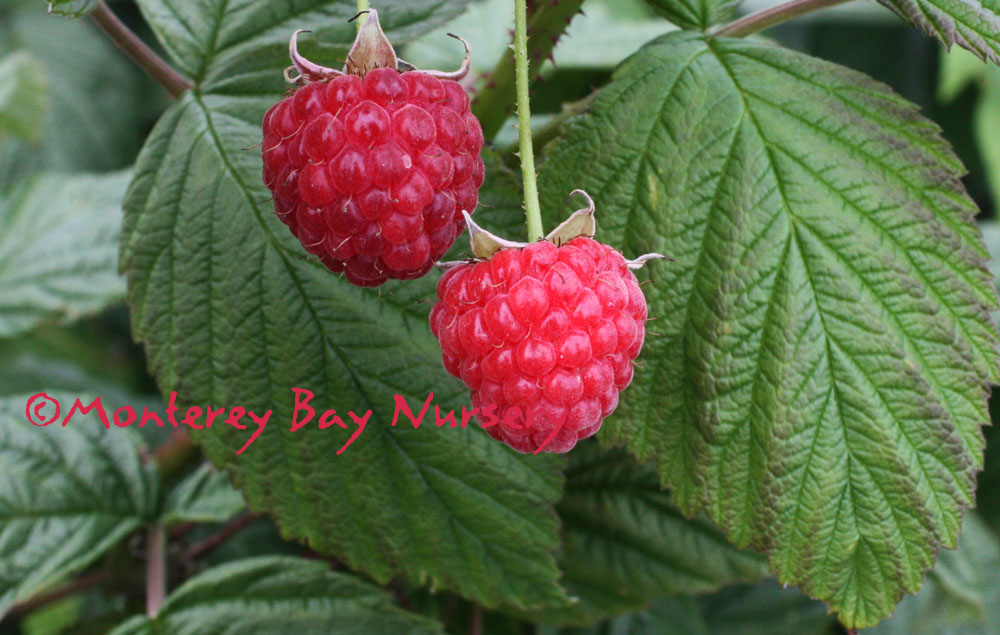
Raspberry (Rubus idaeus) deciduous to semievergreen scandent shrubs. Well-adapted to producing fruit here in California, especially in the coastal areas of both Northern and Southern California where most of our population lives. Rosaceae. rev 7/2017
'Canby' summer-ripening, and an almost thornless selection, bearing large, deep red, sweet fruit good for all applications. Flowers on mature growth which has vernalized, fruit is ripe midseason, plants are virus resistant. This is a very heavy bearer, which is unusual for any thornless berry, as that's usually the first compromise when you lose the thorns. rev 7/2017
'Caroline' PP10,412 everbearing, a big producer of sweet, red fruit with excellent flavor. Producees a summer crop, and a larger crop in fall. More heat tolerance and disease resistance than many others. Since they do best in a long spring, in really hot areas try them in a bit of shade with a thick mulch underneath. Ripening two weeks before 'Heritage.' Regular watering. Sunset zones 1-24/USDA 4. rev 4/2012-Suzy Brooks
'Cascade Gold' a deep gold, almost-reaching-orange fruit, big, firm, sweet, midsummer-ripening release from Washington State University. Sweet-tart early, sweet-sweet later, adaptable, excellent by all reports! rev 12/2018
'Garden of Eatin' mouth watering fruit this is our own modern heirloom, an excellent but at one time experimental variety we inherited along with everything back when we bought our nursery in 1988. Before that, as a sales rep, if a worker saw me picking fruit they'd kindly warn me "it's been sprayed." Then every single piece would be gone when I went back. Hmmmm. This unidentified variety of typical dimensions and growth habit bears high quality dark red fruit of excellent flavor and sweetness, even here in our very cool climate. It is everbearing selection, flowering on mature stems if they experience any chill (plus daylight), and I have eaten good fruit into early December. The flavor is rich, spicy, very sweet at full, dark red maturity, a bit precocious, lusty, flinty, with hints of vanilla and musk. Overall it is a complex flavor that reminds me very much of a fine, sweet chardonnay mixed with sangria. The name comes a place our grower Jeffry Brooks knew only as a mythical place when he was a child. "We might just go over to the Garden of Eden for dinner one of these days," his dad would say, implying to little Jeffie and his brothers that heavenly meals were served in some lush, dream-like tropical paradise. Later in life he tracked it down and found it was a greasy drive-in burger joint with a dirt parking lot that was actually called Garden of Eatin'. Great name though, and still one of my favorite Young Jeff stories. Full sun, rich soils, average but regular watering, half shade in Central Valley or inland SoCal regions. They like a long, cool spring like those of Coastal and Inland Valley regions. Cut back canes once they have terminated with fruit. Older plants in the ground produce the best flavor. Sunset all zones/USDA 3? rev 7/2017
'Heritage' fruit an old variety, possibly still the best tasting. Large, sweet fruit are relatively low in acidity. Canes are strong and vigorous, it can be grown with little or no support. Needs good drainage, more sensitive to heavy soils than other varieties. rev 7/2017
'Raspberry' Shortcake® PP22141 actually that's its nickname, the true full legal name is Rubus 'NR7' PP22141/Bushel and Berry® Raspberry Shortcake® Raspberry. This was part of the BrazelBerry® line, now it has migrated over to another branch of the family. It's everbearing®, thornless®, compact and shrubby®, growing to just 2-3' tall. Fruit are regular® size and very sweet. This makes a wonderful container plant®, and should make a great row-planting variety with less care® required and easier work for the pickers. Select a site in full sun® with good® drainage. rev 12/2018
'Williamette' summer
ripening, early ripening. An old, dependable variety. Fruit is
deep red, sweet-tart, rich in sprightly berry flavors. To 6-8'
tall and wide. Needs full sun, average watering, training. Very
tolerant of low-chill winters, breaking dormancy normally with no
loss of vigor. rev 7/2017
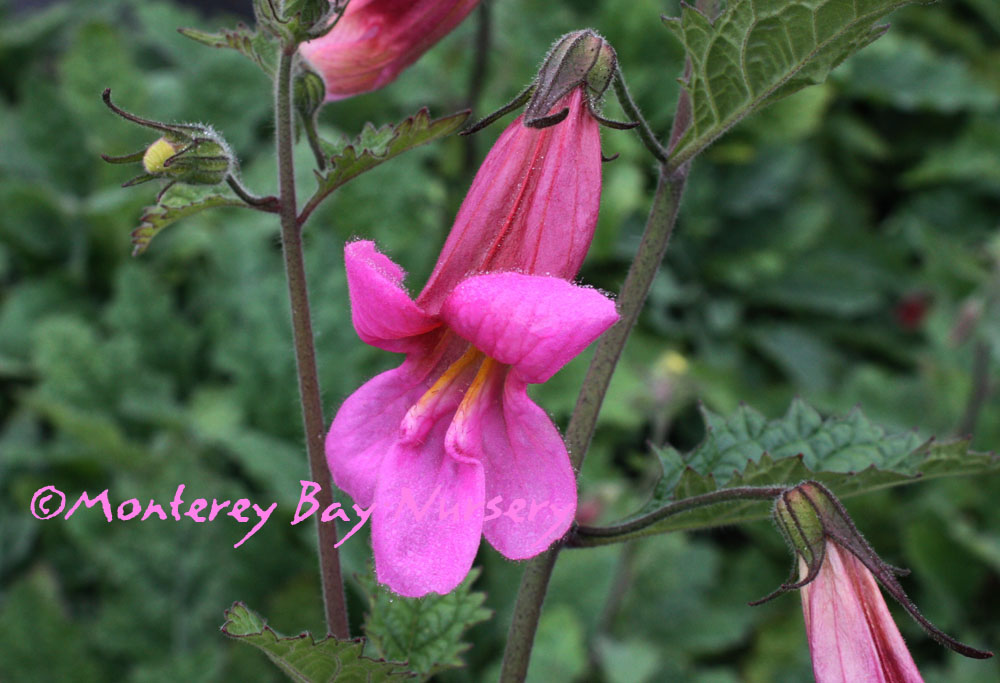
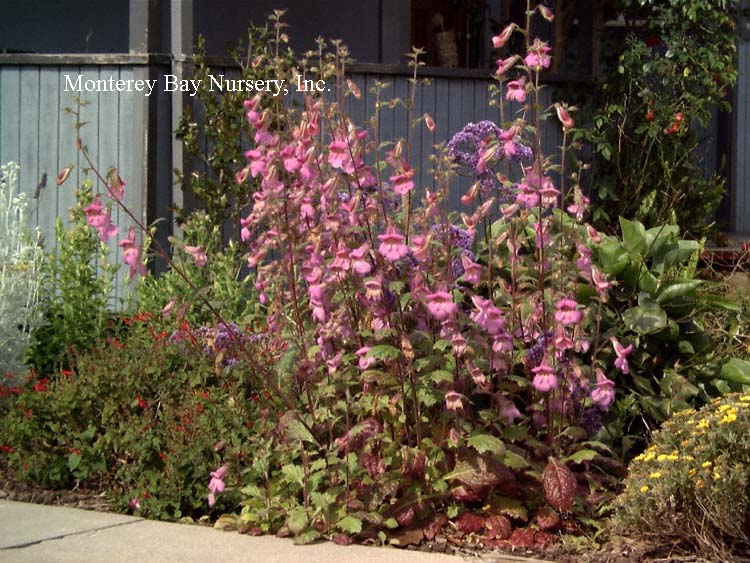
Rehmannia elata closeup nice planting a deciduous to semievergreen perennial that bears tall, impressively showy spikes bearing broadly tubular dark rose pink flowers to 3" long or more, with yellow throats, from spring through fall. Spreads slowly to eventually form large clumps. Sun to part shade, average watering. Most recently considered to belong to the parasitic family Orobanchacea, formerly Phyrmiaceae, and before that Gesneriaceae or Scrophulariaceae. rev 6/2019
'Tiger's Tongue' ('Tigerschlund') flowers generous production of very large, billowing medium pink flowers with very wide mouths and warm yellow throats on spikes to 3-5' tall in the best conditions. rev 6/2019
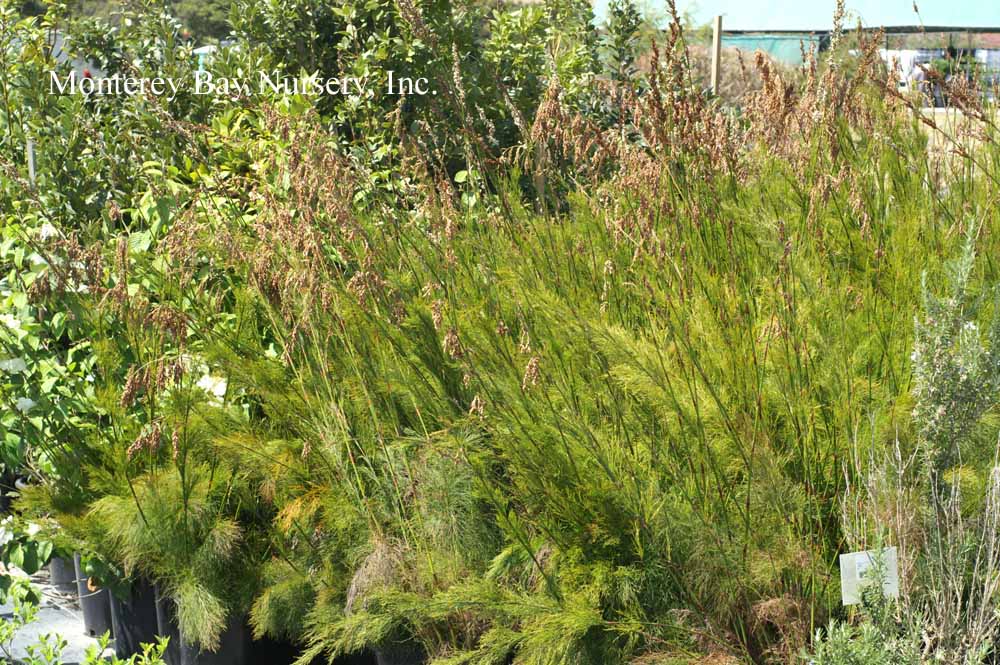
Restio grass-like or rush-like plants, in its own family (Restionaceae) and order (Restionales) distributed almost entirely in the Southern Hemisphere. All ~500 species in this family are dioecious (separate males and females) and wind pollinated. Most are clumping growers but some are stoloniferous. They are evergreen, often with feathery or exotically plumed leaves from jointed and usually sheathed culms or stems. They are found on poor mineral soils, often winter inundated but seasonally dry, but are quite variable in preference. The tops are drought adapted but the roots have air vesicles to help in inundated conditions. They vary from frost hardy to tender and fire adapted or not. They make dramatic focal point or accent plants or can be used in clumps or even massed. In South Africa they are often found growing in nature with Erica, and most in situ shots of South African heathers will show a stem or two of a Restionaceae member growing near it. They all make great cut foliage subjects and most are good container subjects as well. Most species of this family are dioecious, meaning males and females are separate plants, and their forms can vary by their sex. Males of different species can be hard to distinguish. Related genera are Chondropetalum, Rhodocoma, Thamnochortus, and Elegia. One genus of this family has an almost unpronounceable name, one of the most difficult in the plant kingdom: Ecdeiocolea. Some brilliant and alert systematist realized that he had a rare chance to create an even more unpronounceable name and didn't let the opportunity pass. The genus was thereby honored by being elevated to being a full family all on its own (in his own humble opinion), and so is now recognized by some as the magnificently multisyllablic and monogeneric Ecdeiocoleaceae. rev 7/2020
Rhamnus BUCKTHORNS a genus of evergreen to deciduous shrubs, cosmopolitan in distribution, and including cascara sagrada (R. cathartica) as well as our own Coffeeberry (R. californica). More distantly the genus is related to Ceanothus, Phyllica, Cryptandra and Spyridium. Rhamnaceae. rev 7/2017festuciformia (not currently in production) as the name implies, one of the grassiest of this grassy genus. Grows into a feathery, wispy dome of foliage 2-3' tall, becoming straw colored after flowers are finished. This has a reputation of being very short lived (2 years in the wild on average) but it's one of the most popular varieties by appearance and many of our stock plants are 10 years old. rev 7/2020
multiflorus (not currently in production) large nursery plants a dense grower, with bright green, very plumose juvenile foliage. To 6' tall by 3' across, the sparsely branched, essentially smooth, vertical flower stems arise fountain-like from the center, with dark brown bracts and white flowers (female) in winter. It is native to rocky places in mountain areas of southwestern Cape Region, which has a Mediterranean winter-rainfall/summer drought climate pattern. It is a winter grower (though never totally dormant), will take some frost, and likes well drained acidic soils. Give it as much sun as possible. rev 10/2005
tetraphyllus (not currently in production) TASSLE CORD RUSH 30+ year old "Mother of All Restios," Strybing Dwarf Conifer Garden typical young plants, at UCSC this is an outstanding Australian species, growing as an upright clump of stiff culms with feathery, more arching leaves. It is notably dense, vertical, and bright green. Mature stands can get to 4' tall by 6' across, growing best in damp areas but still growing fine in average soil with occasional water. Males and females differ in their flower presentation and males are more feathery; both are bright rusty brown and ornamental. The flowers appear in spring and last into summer. It will tolerate quite a bit of shade, can be grown in a container with adequate watering, and is quite frost hardy (probably surviving Sunset zone 5) but any time temperatures drop below 25-20F it is going to lose its tops and have to resprout from its underground rhizomes. That is not something you want to happen every year. Its plumes are used as cut foliage, as with many other Restios, but this species is the basis for a large industry. This was the first Restio I encountered, and probably was for many in the Bay Area, who like me first saw it in the Strybing Dwarf Conifer Garden. The original plant is still there. Sunset zones 8-9, 14-24/USDA zone 9. rev 10/2005
alaternus ‘John Edwards’ ITALIAN BUCKTHORN foliage this selected variety is longer-lived than seedlings as well as being resistant to branch dieback. Foliage is a uniform, bright glossy green. Growth is very fast to 15-18’ if unpruned, by 6-10’ wide or more. An excellent hedge for windy areas, especially as a fast, tall, dense visual screen. Plant will survive on little or no watering when established, needing only average to good drainage. Sun to part shade. Southern Europe. Rhamnaceae.rev 7/2017
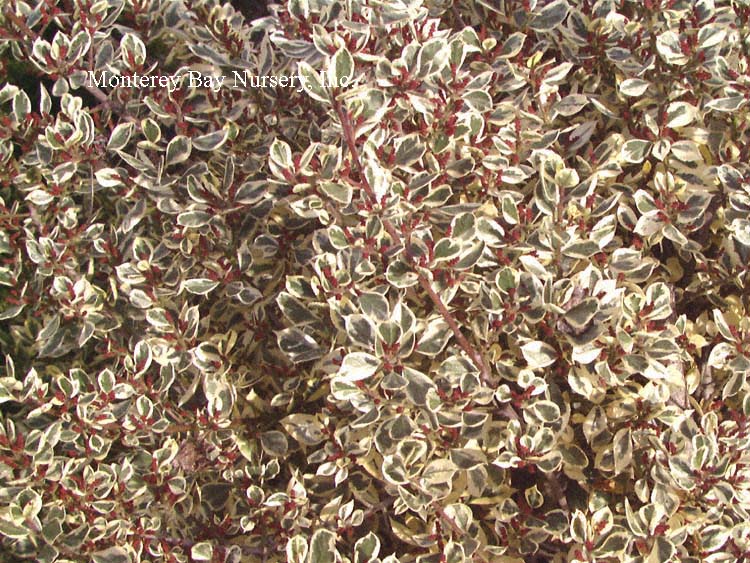
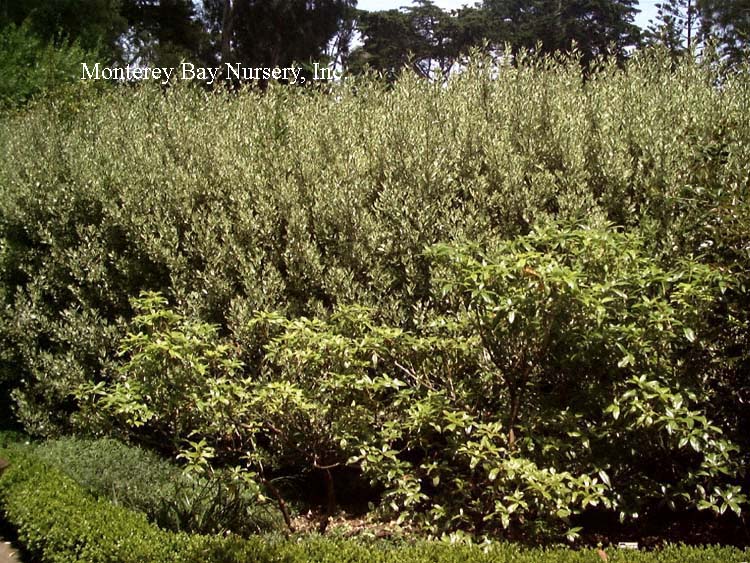
alaternus ‘Variegata’ closeup clipped hedge leaves striped with creamy white. A much more restrained, compact grower. Difficult to propagate. rev 7/2017
californica COFFEEBERRY a California native species, ranging from prostrate groundcover forms through tall, upright open shrubs or small trees. It can live to be around 200 years old and can even sprout from the crown after wildfires. Trade forms include compact, mounding, prostrate and tomentose-foliaged selections. Some can be formal enough in appearance to be used in commercial landscapes. All bear large, shiny, reddish brown to black (at maturity) berries that are noticeable to modestly showy. Highly drought tolerant when established, most selections will tolerate a generous range of soil types and can be used in full sun to mostly shade. The berries are edible and were used by several native groups, the seeds are reportedly an excellent coffee substitute (I intend to document this!) and its leaves were used to treat poison oak. Can host Swallowtail Butterfly larvae. Now listed as Frangula by many authors, including CNPS on its website. USDA zone 7a. rev 8/2018
‘Eve Case’ closeup of foliage berries habit a cutting-grown selection which offers uniform, dense, compact dark green foliage with a slight glaucous cast, on a rounded plant to 4-5’ tall and wide. The first trade selection to be regularly available, it is still a good choice where a medium-sized, tough, evergreen native is called for. rev 7/2017
'Leatherleaf' mature leaves natural form spreading pair low and slow brighter green spring growth it's shiny, it's tight, it's dense and very dark green. The leaves have nicely recurved margins, and it's moderately slow growing. It easily has the most formal presentation of any selection of this native species. And it's tough, excelling in difficult situations, summer-dry gardens, hardscapes and commercial installations, needing virtually no pruning to stay looking neat and clean-looking. It also copes well with bicycle parking-on-top, shopping cart ramming, pet -leashing-to and dense trash/needle accumulation. I haven't seen it's show of berries, I maybe just missed them in my travels. To about 4-5' tall by 5-7' wide in about 5-7 years, slowly. UCB Botanic Garden. rev 8/2018
'Mound San Bruno' COFFEEBERRY compact, shiny foliage closeup a native selection from just south of San Francisco, it is a very compact to prostrate evergreen shrub grown for its dense, leafy, weed-smothering appearance. Shiny black berries are modestly ornamental, appearing in late summer or fall. The tiny flowers that precede them attract bees, birds and beneficials to your garden. Tolerates almost any soil, needs little summer watering once established. To about 4-6' tall and wide, shapes well with pruning. USDA zone 7/Sunset 3a-10, 14-24. rev 8/2015-Suzy Brooks
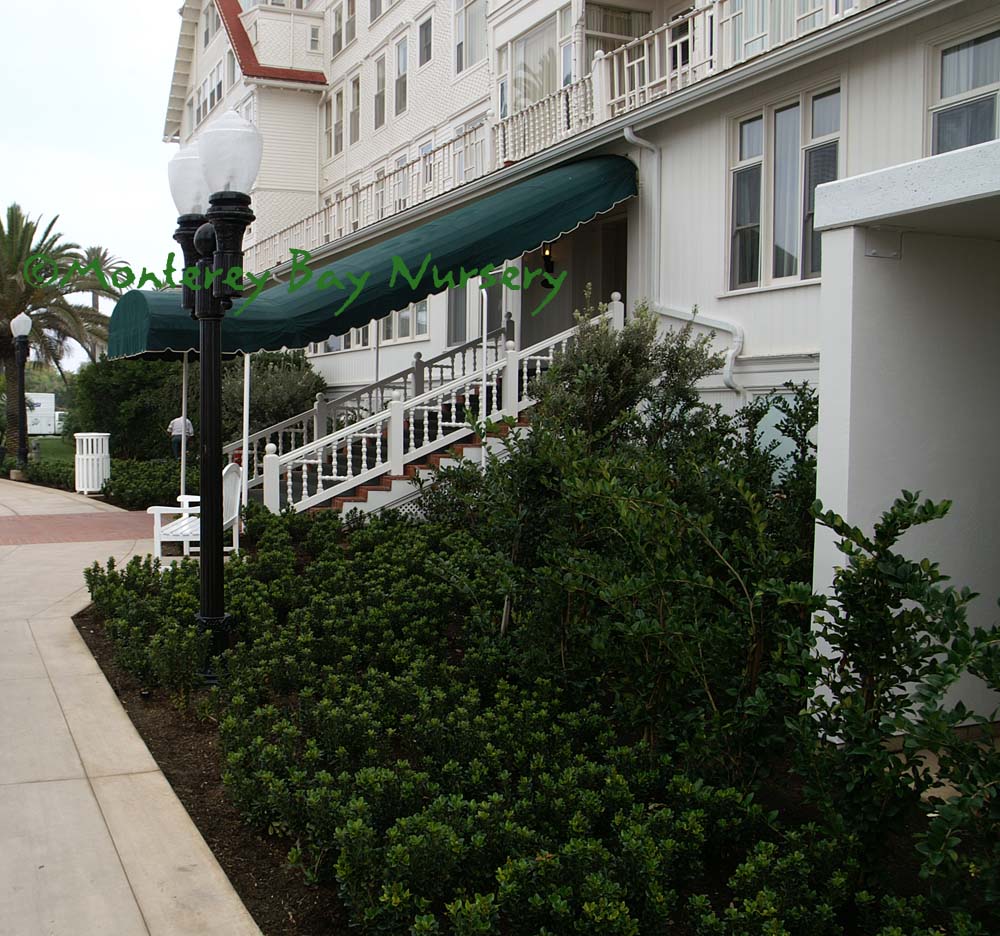
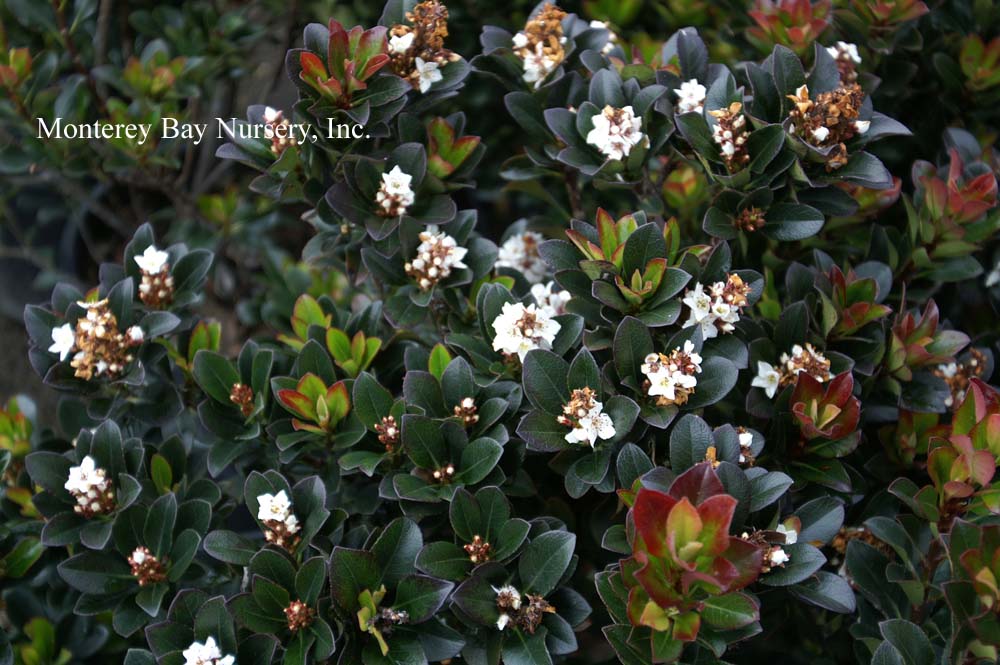
Rhaphiolepis umbellata ‘Minor’ Hotel Del Coronado flowers a very dense, compact, slow growing plant bearing hard, tough, very dark green leaves tinged dark burgundy on the tips and margins. New growth is brighter rosy burgundy. Stems are upright, and the plant grows as a tight mound to very compact short shrub to 2-4’ tall, 3-4’ wide, lower with a pruning every year, or two, or three. White flowers are produced in small clusters in spring, and can be quite showy, but they are almost always sterile - meaning fruit drop is rarely an issue with this variety. This form is the only one that is immune to the foliar leaf spot characteristically seen on Rhaphiolepis in Northern and Central California as a result of leves remaining wet from cold rains, or irrigation. It is the only form we grow, and for exactly that reason. Sun to part shade, little watering, frost hardy for most of California. Japan. Rosaceae. rev 7/2017
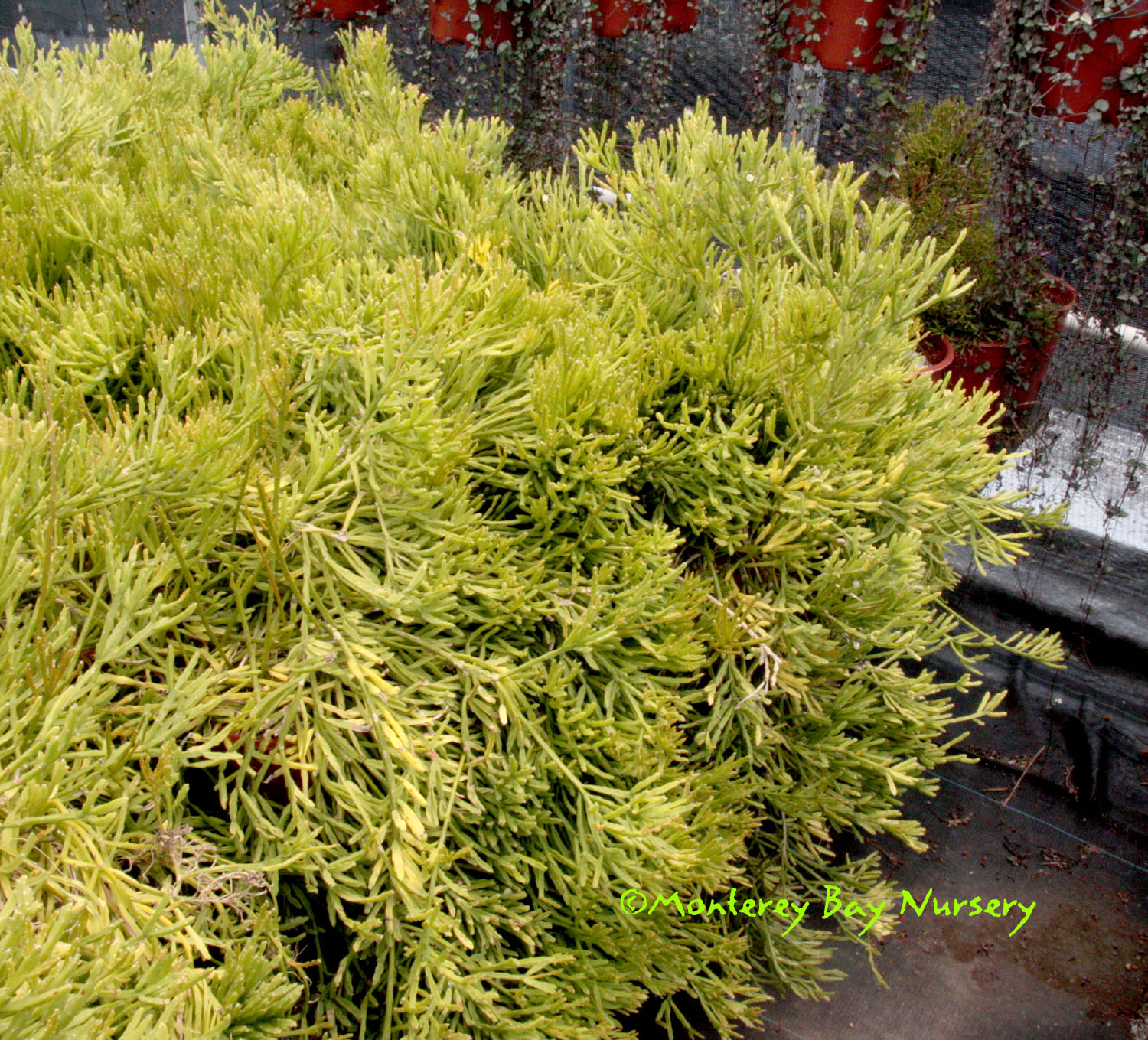
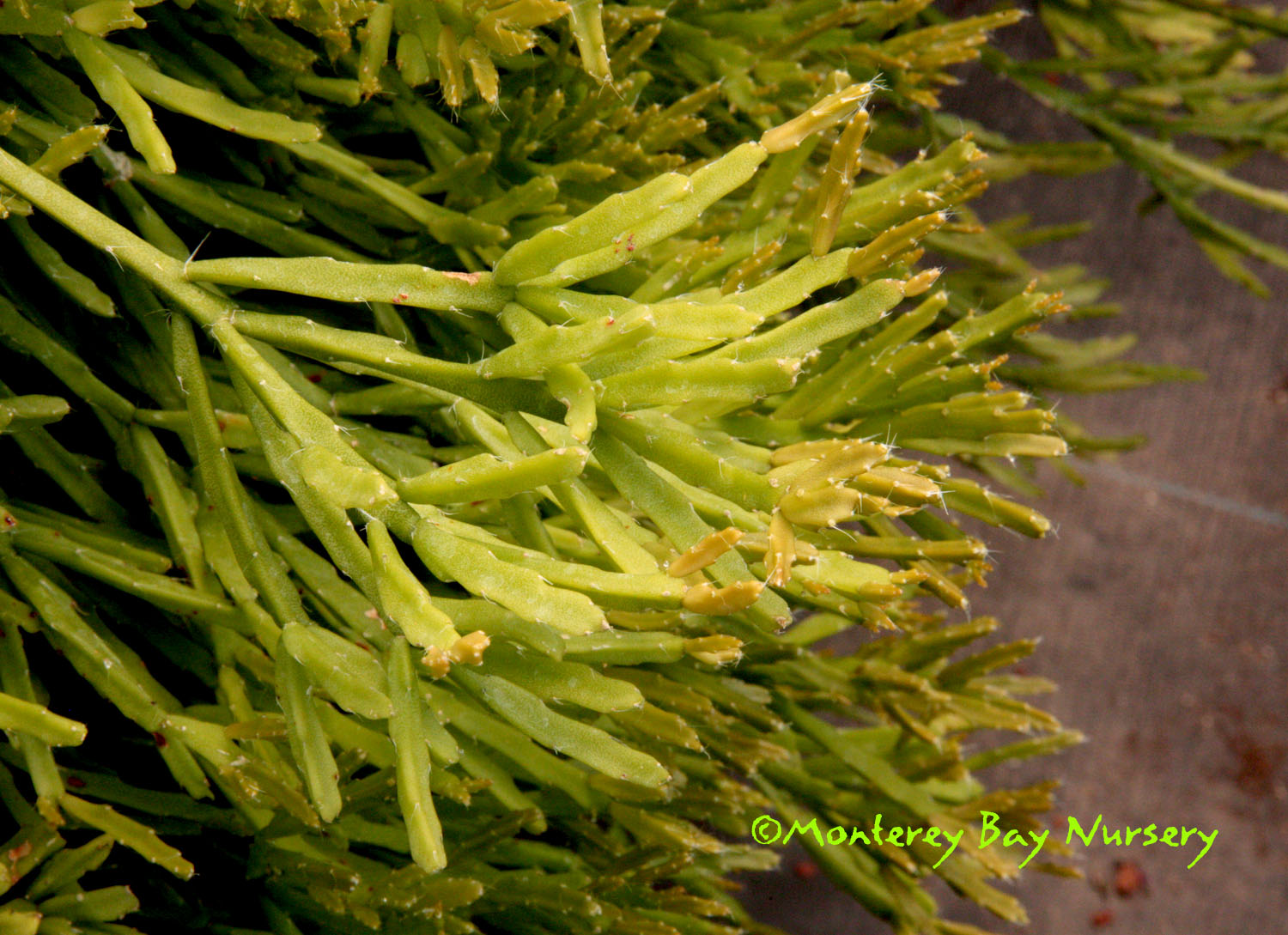
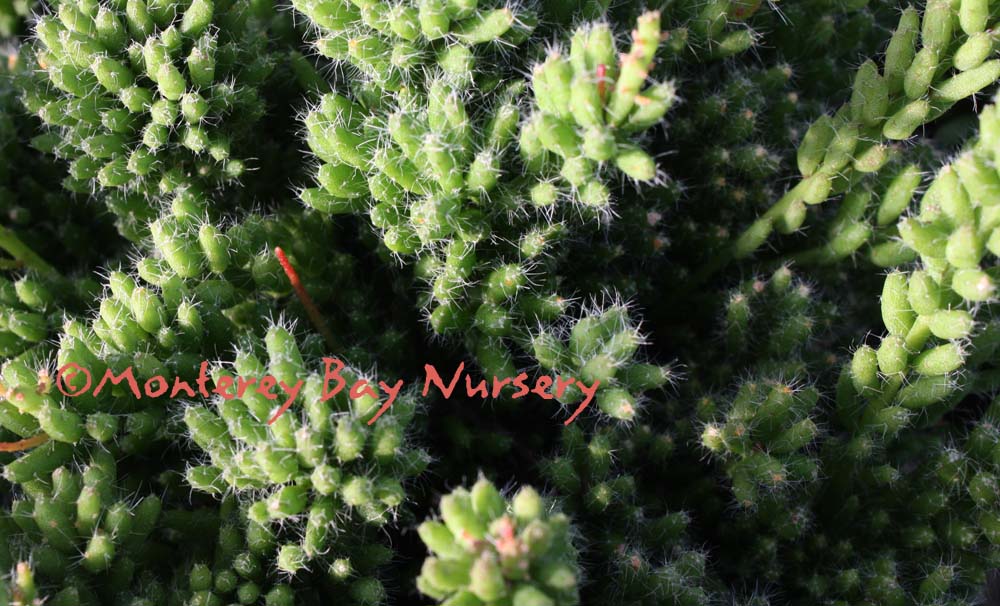
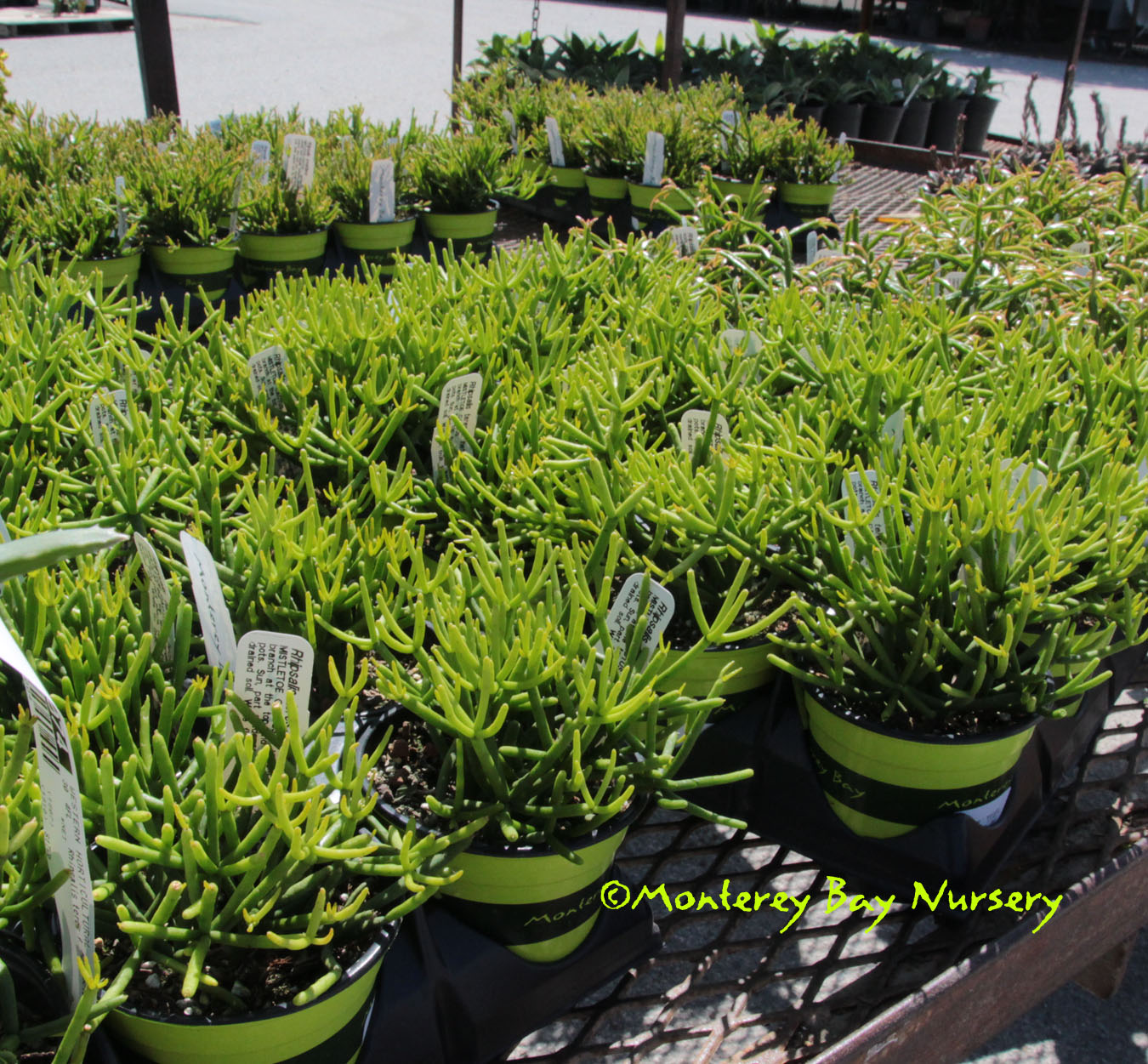
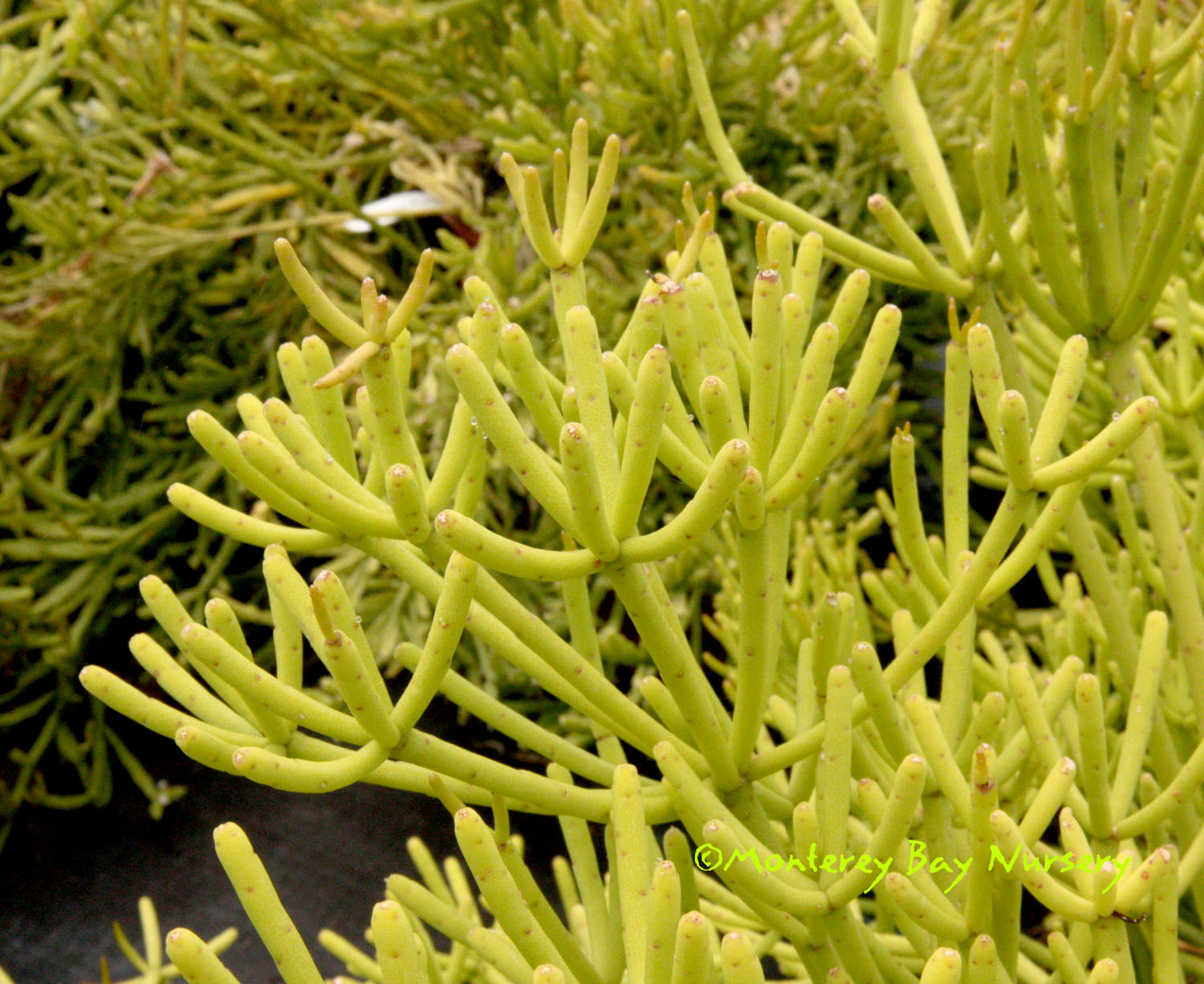
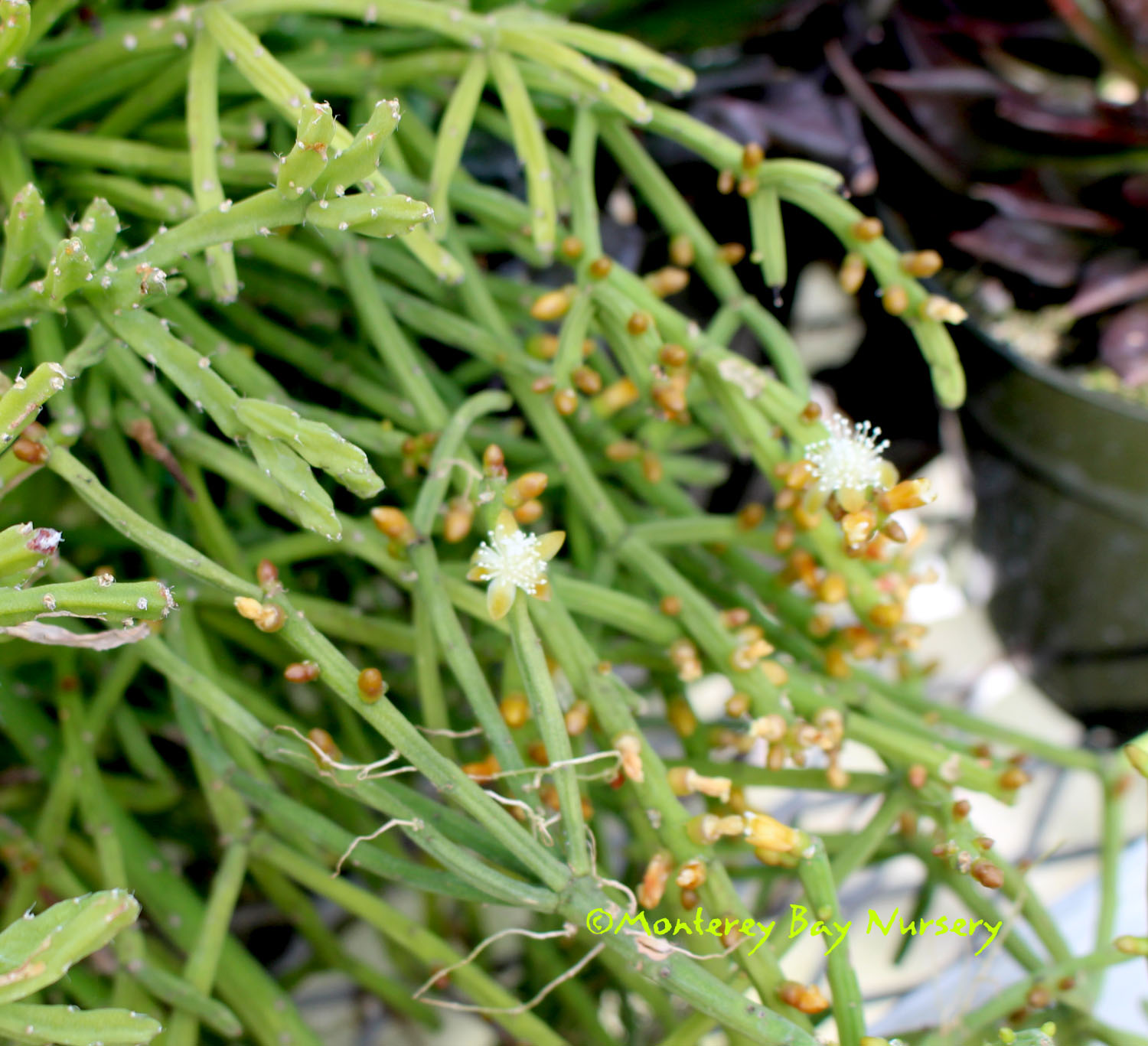
Rhipsalis a tribe of tropical to subtropical epiphytic cacti grown for foliage effect, stunning flowers or both. Epiphytic or lithophytic, they grow as understory plants and so seldom want direct, unfiltered light. This genus along with Rhipsalidopsis, Epiphyllum, Schlumbergera and Hatiora have been the subject of classification arguments for generations. Recent genetic studies suggest that Rhipsalis would most likely survive along with Schlumbergera, and perhaps Hatiora and Rhipsalidopsis also if they aren't absorbed into Schlumbegera. Most species are rare and of restricted range, with the genus best represented in the Atlantic Forest of Brazil. Cactaceae. rev 6/2021
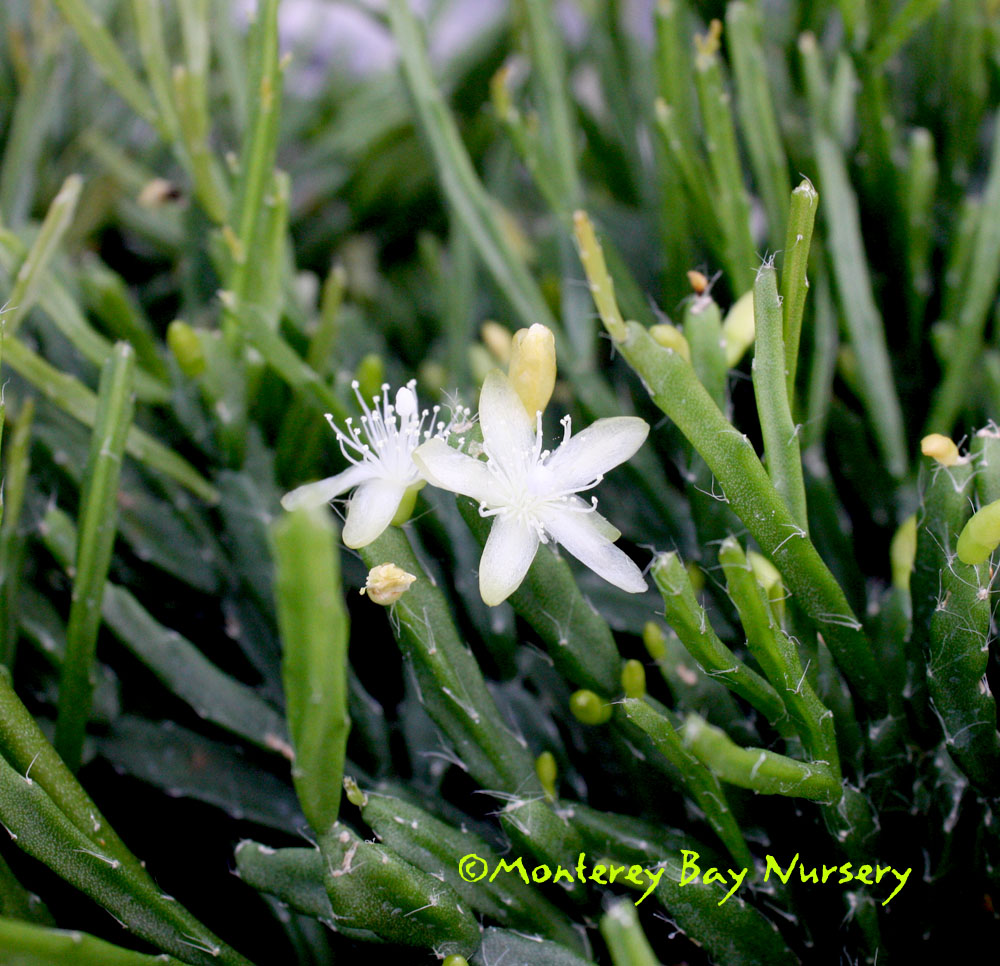
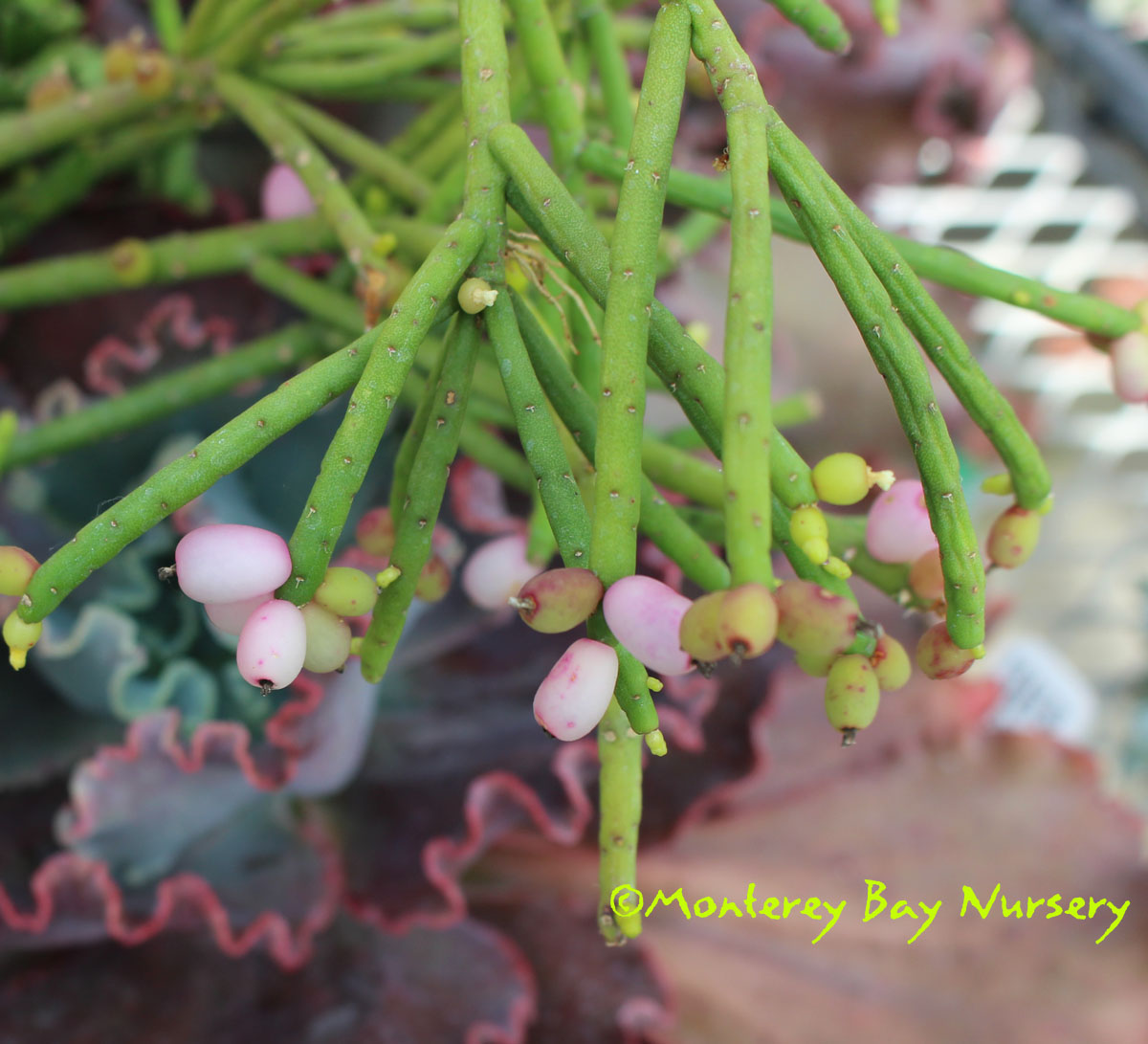
baccifera v. baccifera MISTLETOE CACTUS little arms a cactus for the hanging basket or tall pot, spilling down 5-6' or more. Bright green branching stems have pale flowers turning to white or pink fruit. Easy to grow in part sun, regular watering with well drained soil. Nice texture for something different in on the patio. No frost, house/patio plant anywhere or outside all the time in Sunset zones 23-24/USDA 10. Indian Ocean islands. rev 2/2021
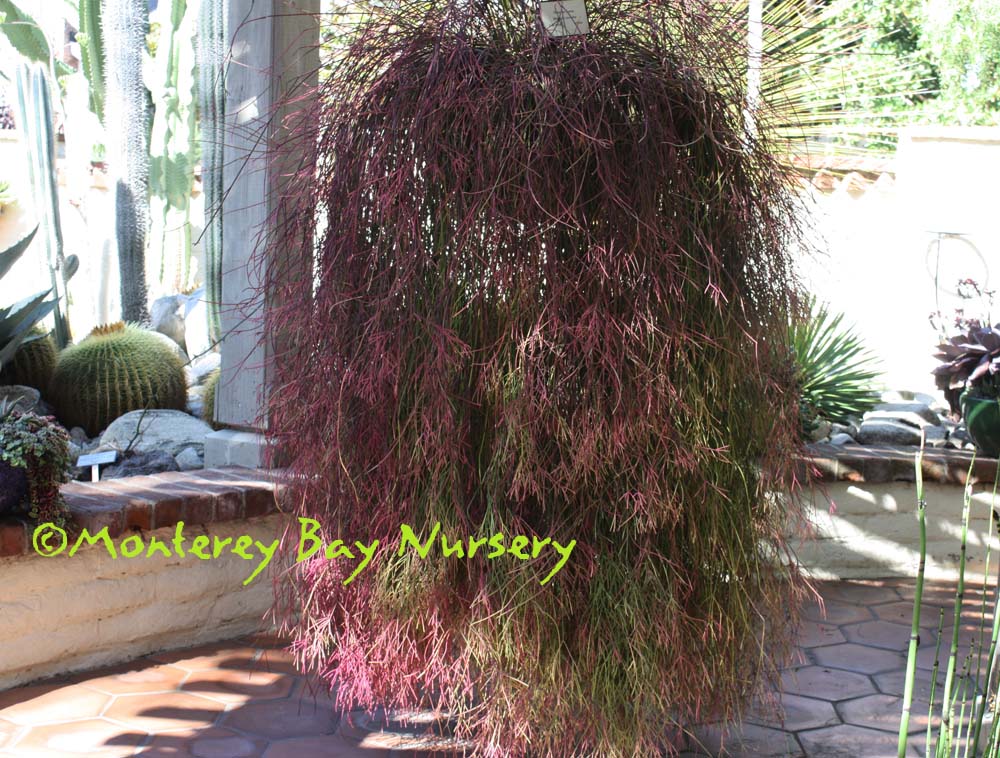
baccifera (cassutha) MISTLETOE CACTUS whoa!! need an easy to grow hanging basket for your patio? This one can trail 6-8'! A friendly member of the cactus family, it has thin, branching stems with no spines. Give it part sun or bright shade and regular watering while it's growing in the warm months. Little white flowers in summer turn into pinkish white fruit. Protect from cold outside Sunset zones 16-24/USDA 9. Range is - catch this - Florida to Brazil, Peru, Ceylon, Africa! rev 2/2013-Suzy Brooks
burchellii
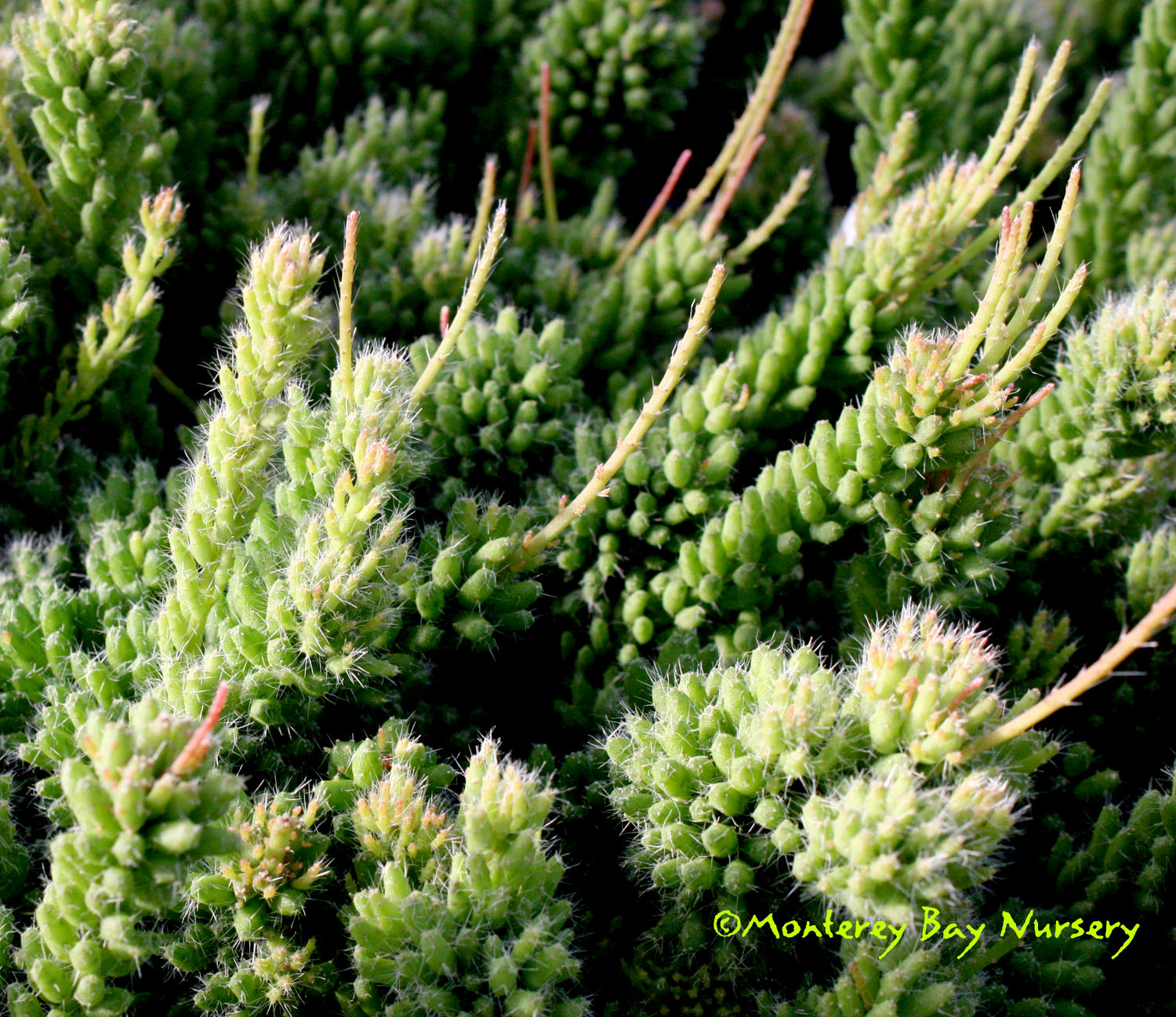
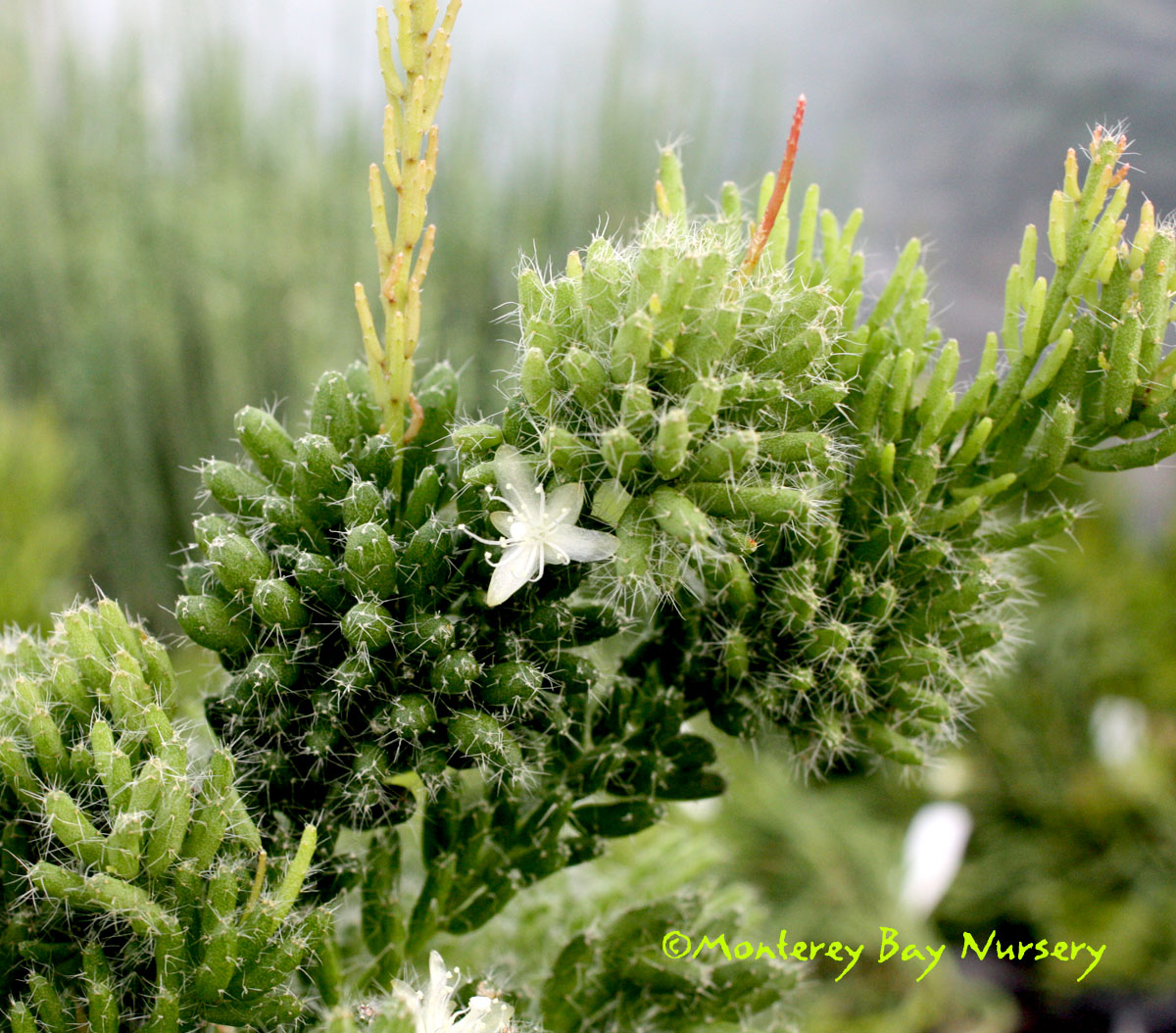
MISTLETOE CACTUS fine juvenile branches and
stems mature branch starting to
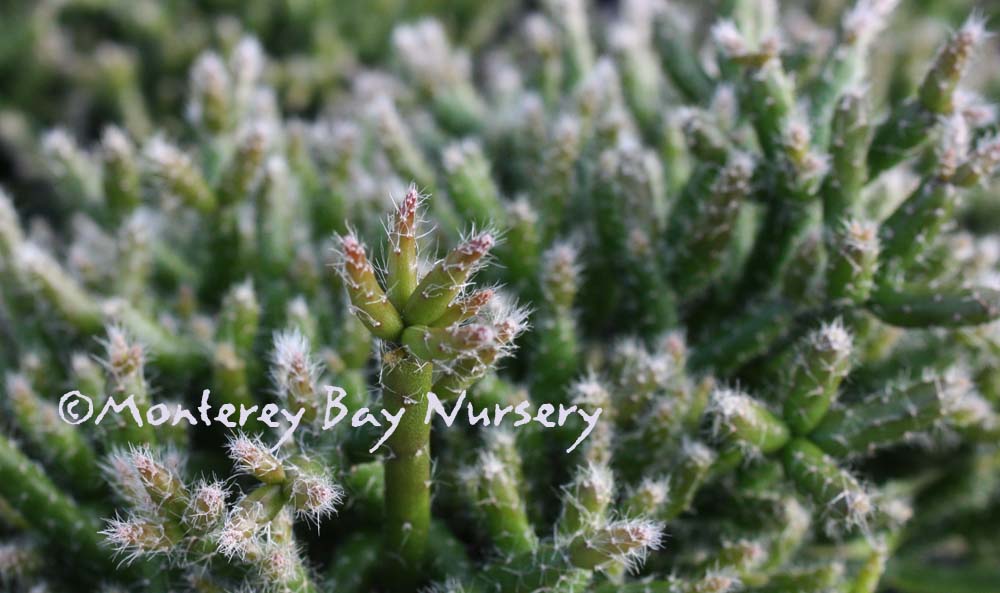
separate round, thin, mostly upright juvenile stems
are short, dense and conspicuously covered with white hairs near
the tips. Mature stems are much longer, lose their juvenile hairs,
are usually tinted coral or orange from cold, heat or drought
stress and will produce a respectable show of modest-sized pure
white flowers which display mostly in the direction the stem is
pointing. Tiny white pearl-like fruits follow. Brazil. rev 6/2021
capilliformis MOPHEAD,
OLD MAN'S BEARD dense, fine, round stems make an imposing
mound then can trail down a foot or two like a giant head of green
hair. Tiny white flowers are lightly fragrant en masse,
followed by tiny pale fruit. rev 6/2021
cereuscula
mini-mini
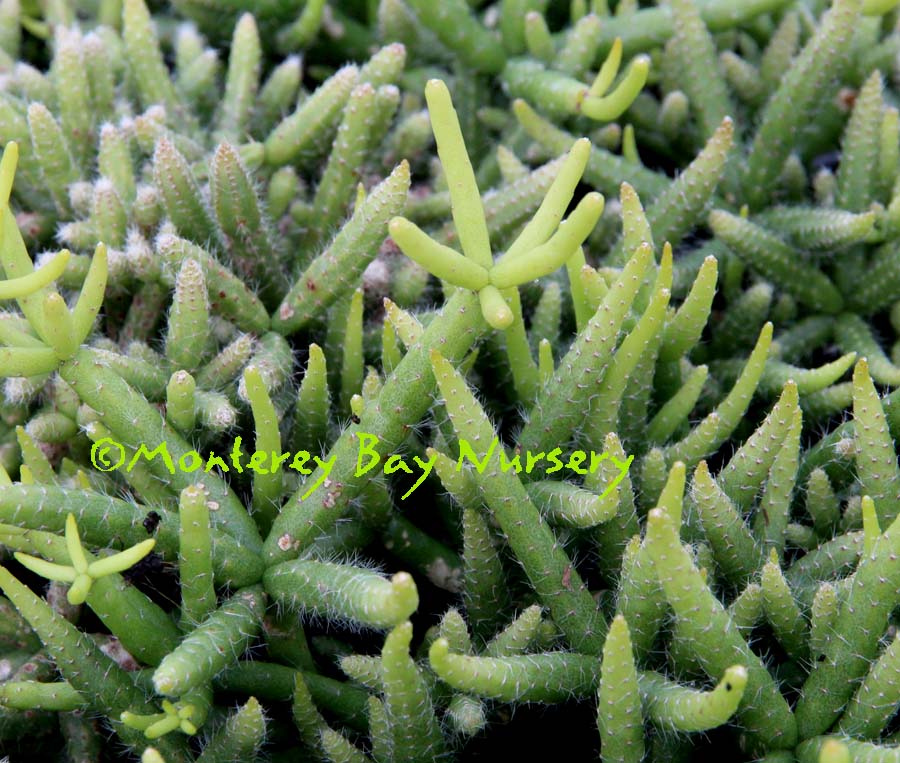
Opuntia? another Mistletoe Cactus, this one
sends up stems that explode into branches at the end. Can
be grown upright for a while till it spills over with
weight. White flowers turn into white berries. Part shade,
well drained soil, average watering. Nice in a hanging
basket where it can trail 3-4' or more. Sunset zones
17-24/USDA 10. South America. rev 4/2020
clavata young stems
juvenile growth is comprisde of tiny round club-shaped stems, a
fraction of an inch thick, clustering upright then pendant growth.
Mature stems are thicker, longer, broader towards the tips and
grow much faster. To a couple of feet long or more with age,
arching to a foot or more across with time. Tiny pendant flowers
are white as are the subsequent seeds. Central Brazil. rev 2/2021
ewaldiana juvenile
stems mama stock plant
mature
stem detail tiny white flowers
forms a compact dome to trailing mass of densely packed triangular
stems. Tiny white flowers form on horizontal stems in late fall
and winter. Brazil (Rio de Janeiro). rev 6/2021
mesembryanthemoides
juvenile foliage
mature stems
separating tiny white flowers
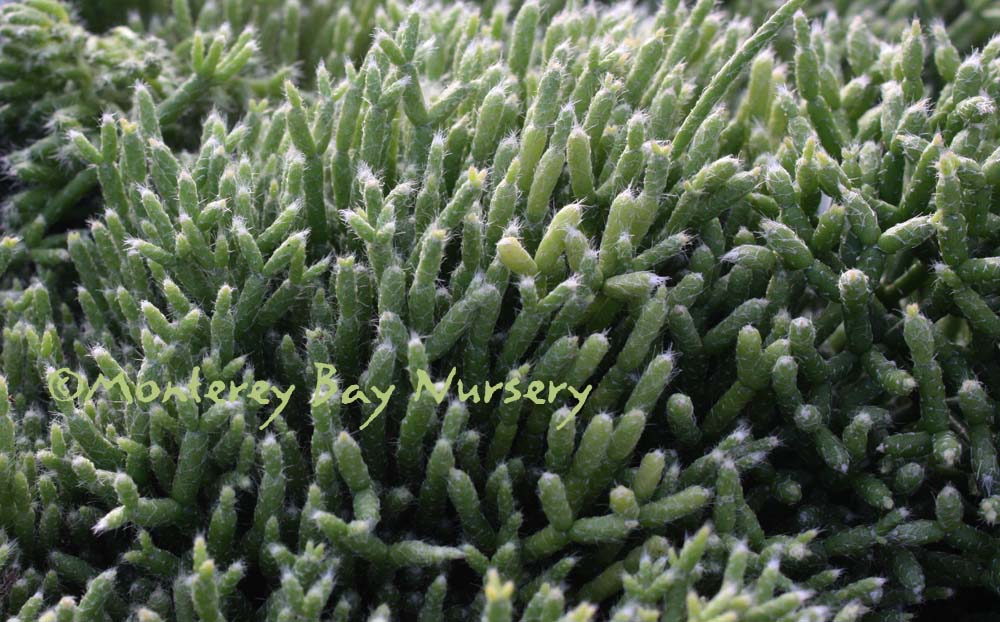
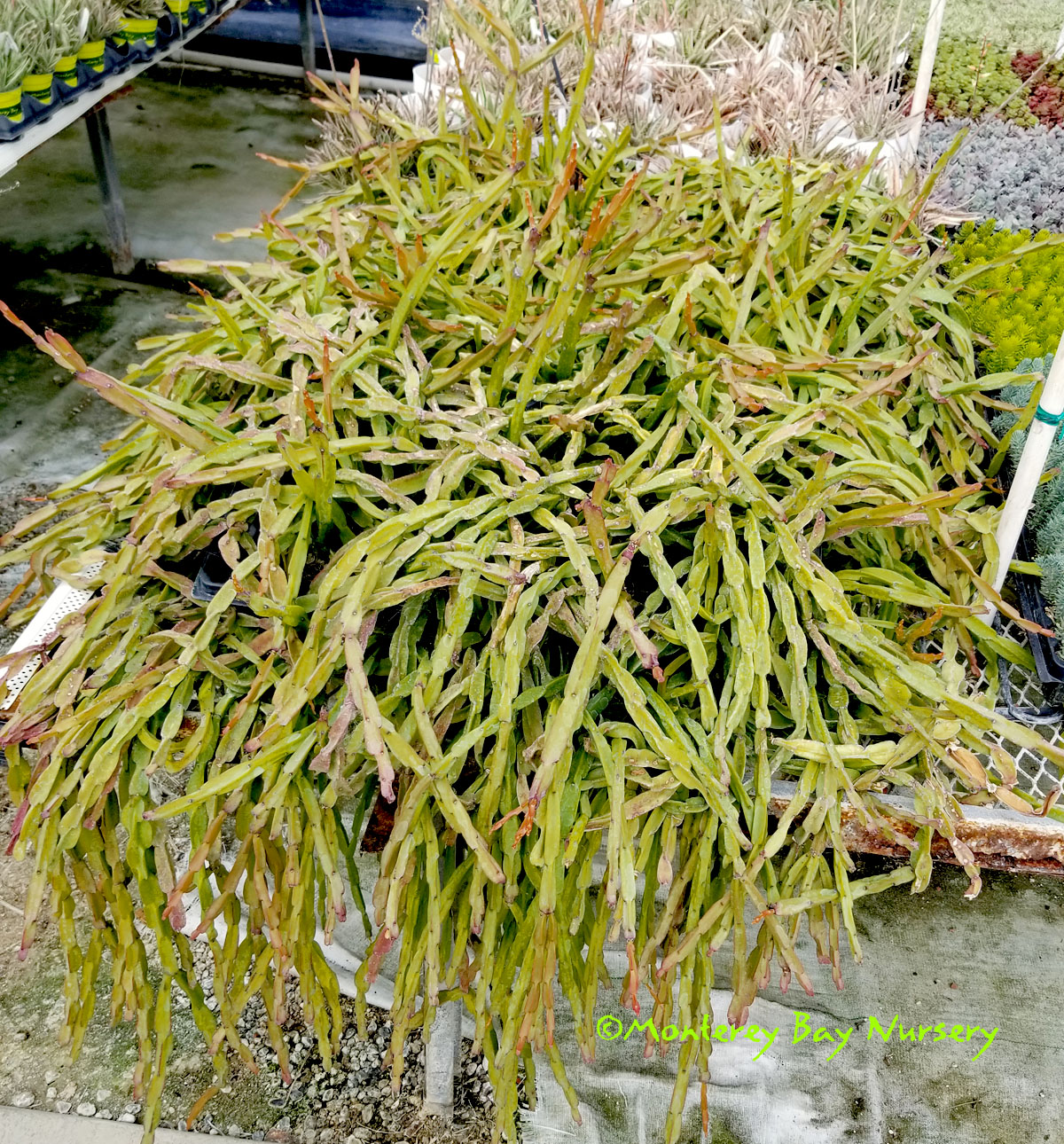
very thin, dense, short, round, somewhat rotund juvenile stems are
silvery from a light covering of short, fuzzy white hairs. Much
longer, more open and mostly smooth mature stems shoot out from
the basal clumps of young foliage. Those grow with a much more
open habit and become generally tinted coral orange to maroon with
age, cold, drought, or any combination. Tiny white flowers are
produced in late fall and winter. Brazil (Rio de Janeiro). rev
6/2021
paradoxa STRING OF
CHAINS mama stock plant a
dramatic hanging basket specimen when well grown, with triangular,
chain-like stem-sections and branches that can hang down over 15
feet. Flowers are small but pretty, like tiny white Epiphyllum
blossoms. Small round fruits can be white or red depending on the
strain. Found in lowland forests in Brazil. rev 6/2021
pilocarpa detail
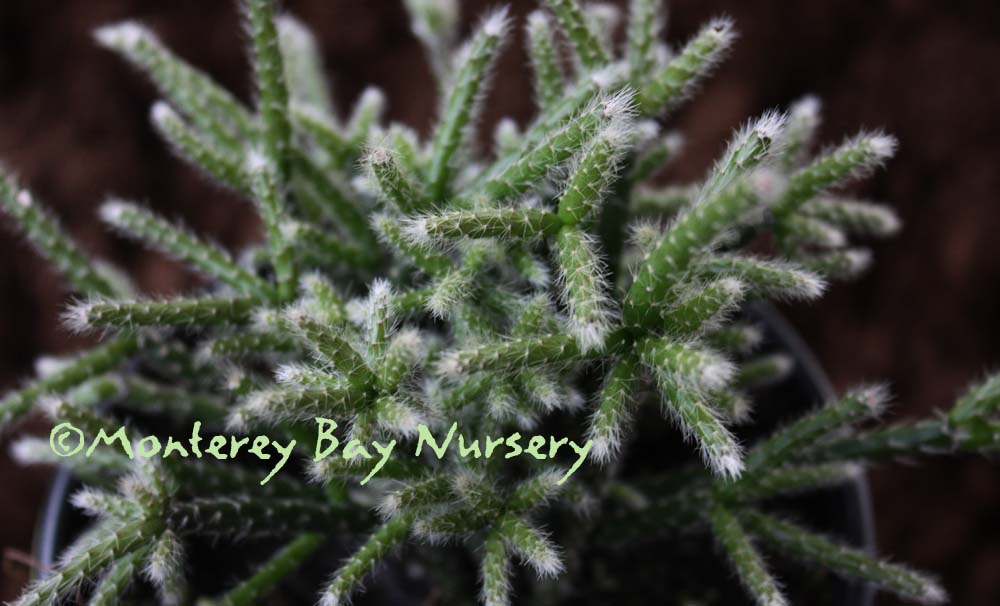
a tropical to subtropical cactus from Brazil, with
thin, round, branching, green stems, covered with soft
white hairs, that grow up and then trail to 3-5' long.
Scented little white flowers appear in summer and produce
red fruit. Sun or bright shade. This is a
seasonally-wet jungle species so water regularly during
the growing season and protect from frost or extended
periods of cold/wet. Can take outdoors and "off the porch"
conditions in USDA zone 9 (good rain/cold protection)/
Sunset zones 23, 24. Brazil. rev 6/2021
pulchra
foliage maturing on young
plants finely and faintly hairy very juvenile stems
are actually 6-7 angled and look more than a little like baby
corn, they mature to round, slightly fuzzy, finger-like
stems. whenmature to long, smooth, narrow, round, pendant,
forked cylinders, bearing a nice show of very nice, pure white,
pendant flowers followed by small, translucent, oblong white
fruits. Brazil. rev
6/2021
sulcata young
stems deeply angled, smooth, thin stems with showy
attractive bronzy new growth. Brazil. rev 6/2021
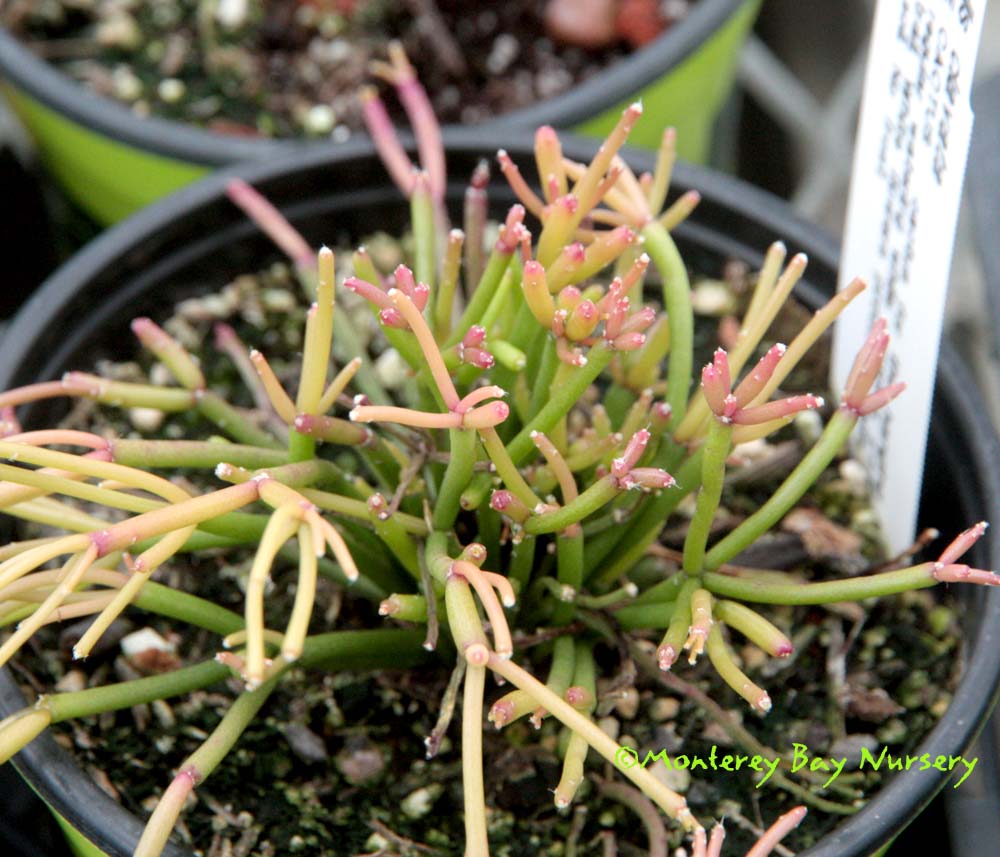
teres juvenile
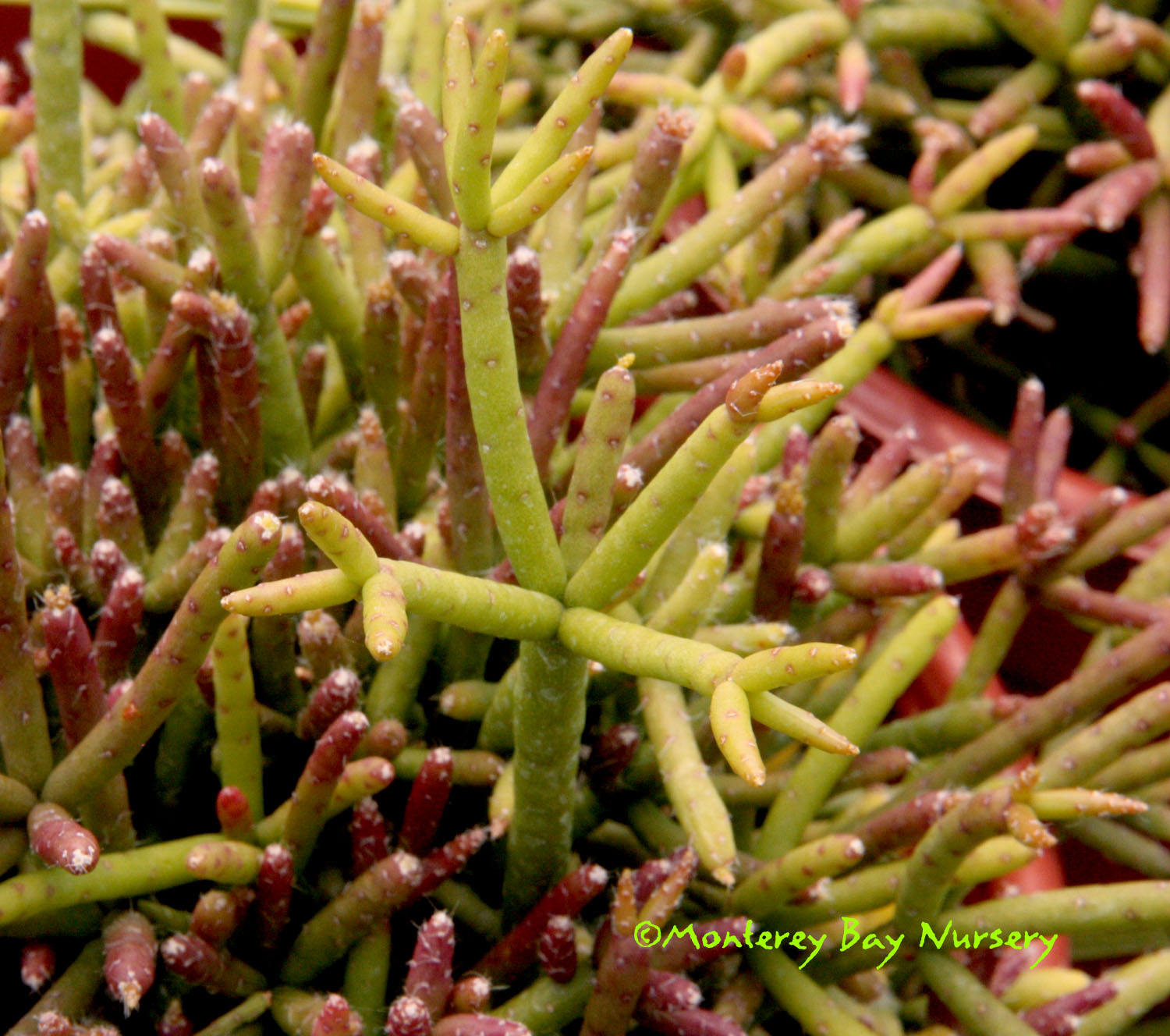
stems mature phase pink fruit
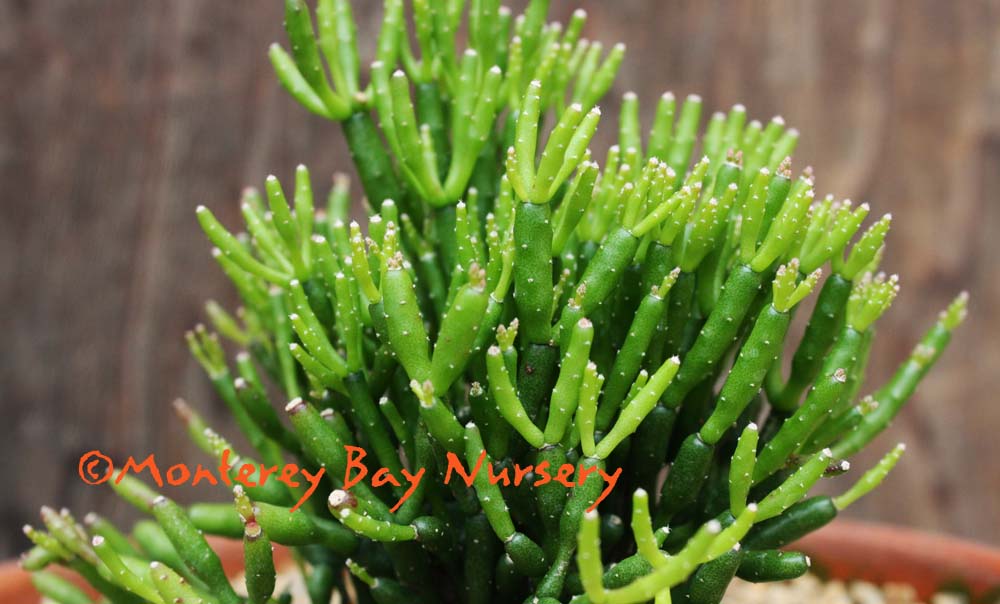
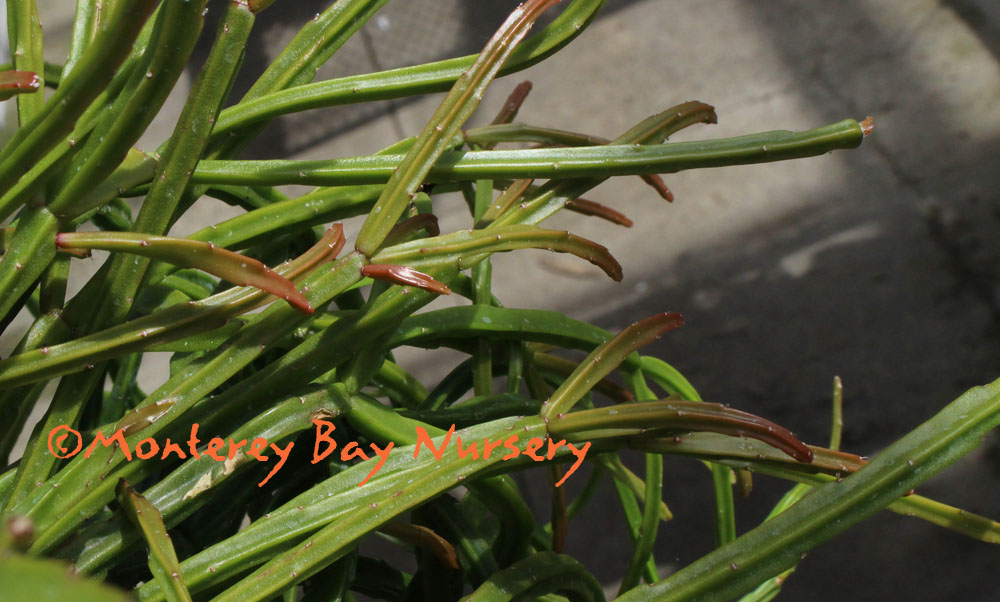
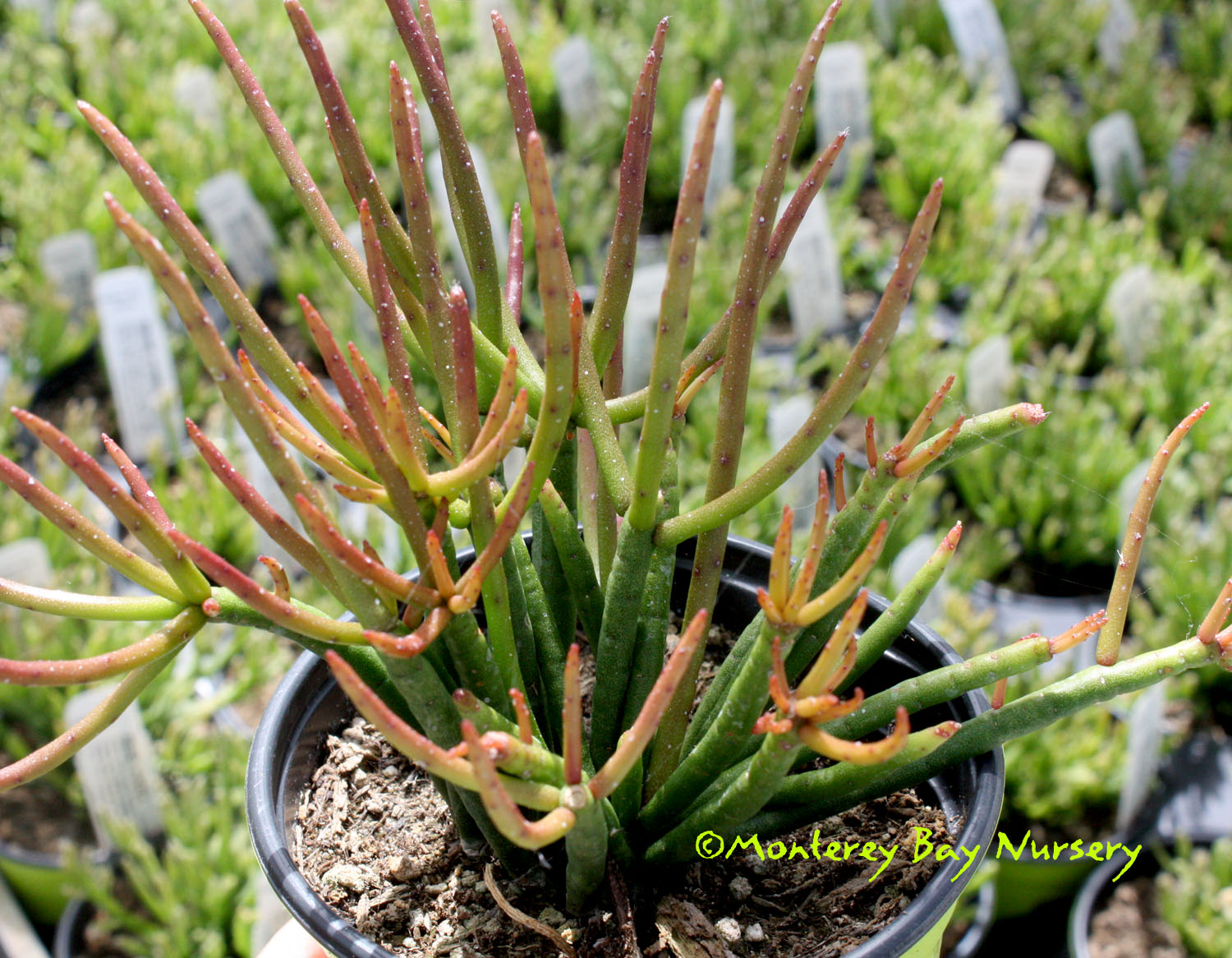
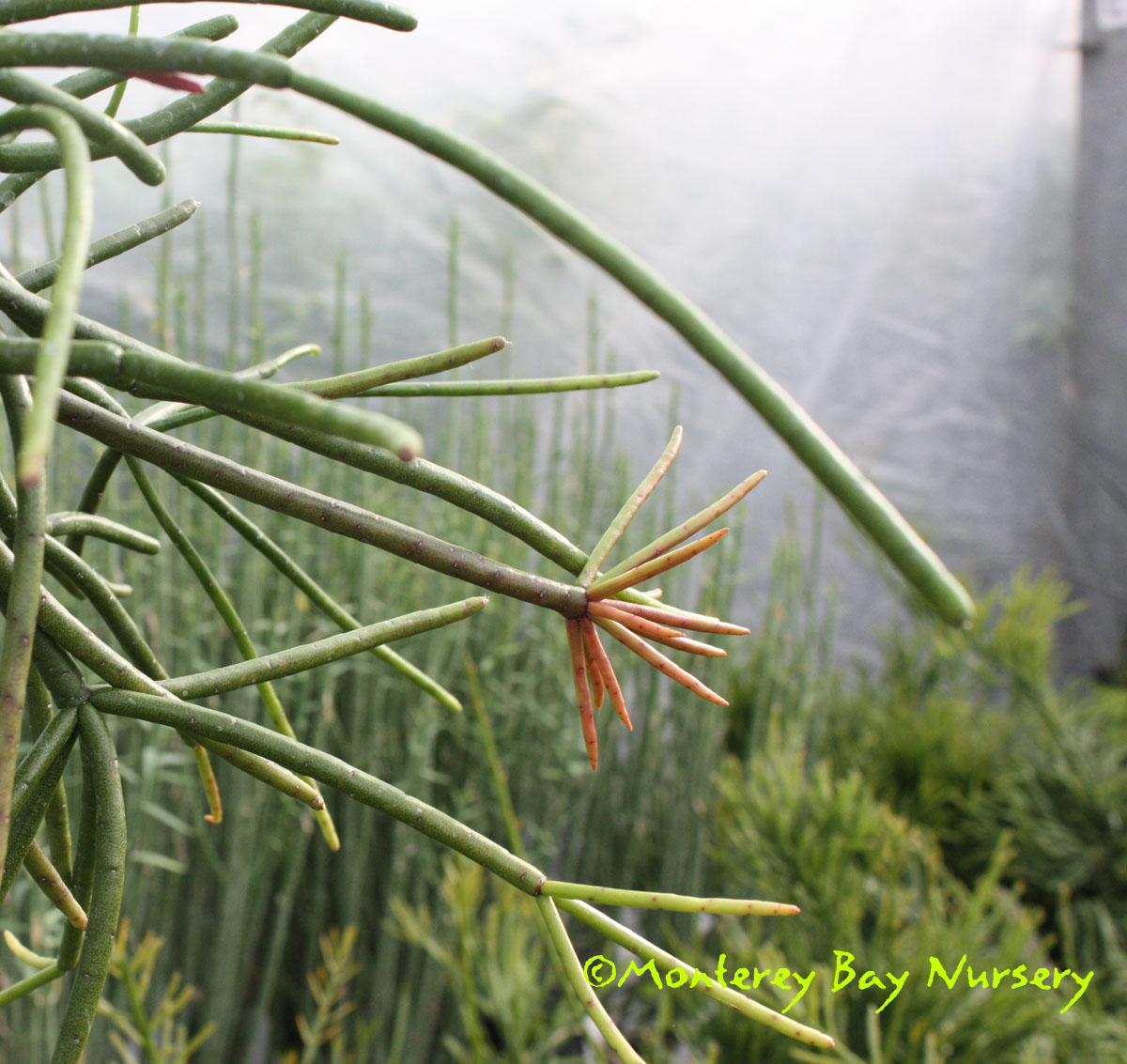
spineless dark green stems with reddish new growth. Tiny
white flowers open from golden buds and produce tiny white or
light pink fruits. rev 6/2021
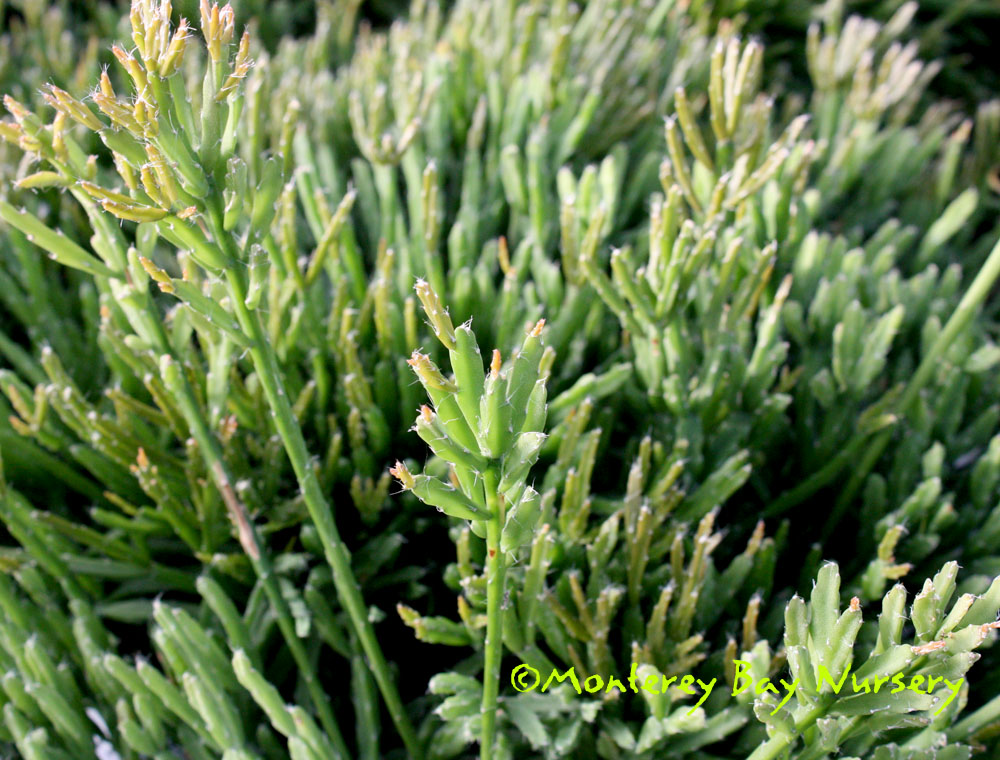
v. heteroclada juvenile stems mature stems flowers more upright, chunkier. Same flowers and fruit. rev 6/2021
Rhodocoma grass-like plants from South Africa related to Chondropetalum, Restio and very closely related to Thamnochortus. They very much resembling grasses. Individuals are dioecious, with separate males and females. Two or three species are now commercially available in California. The two listed below were cojoined in 1985 then only separated again in 2001. Confusion is easy but according to the South African Biodiversity Institute (sanbi.org) the two species can be distinguished by habit, flowering time and fire adaptation. Restionaceae. rev 3/2021
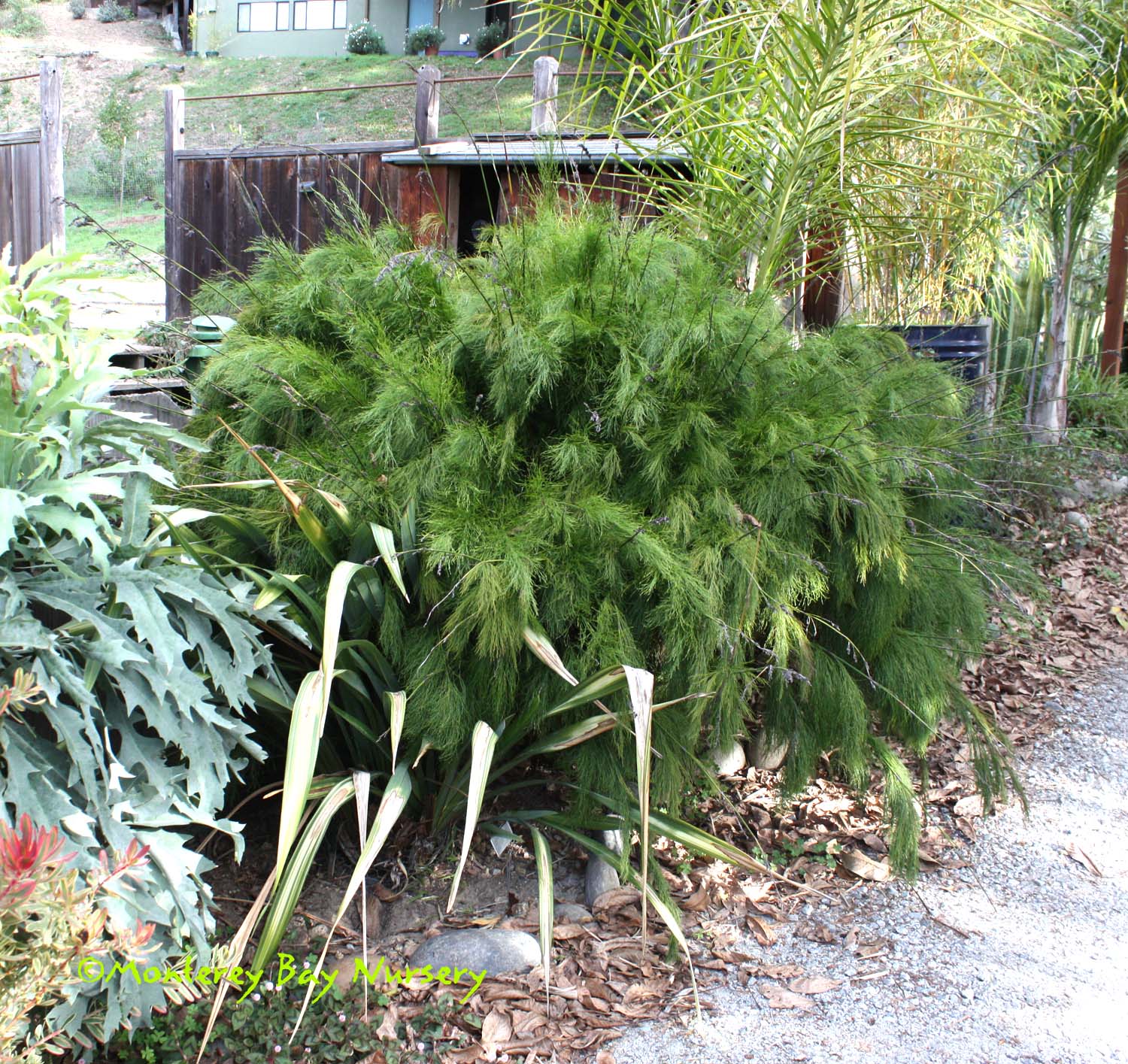
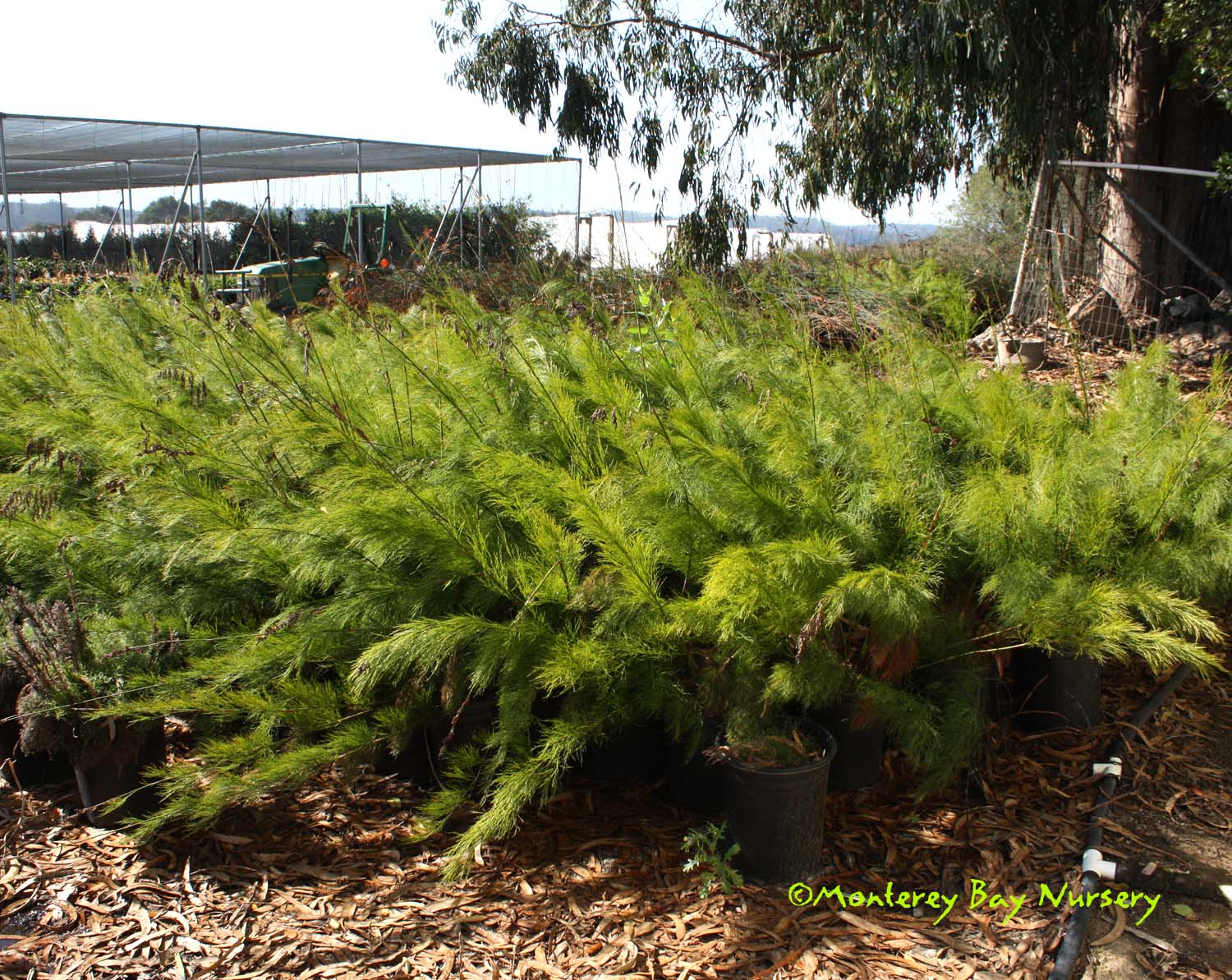
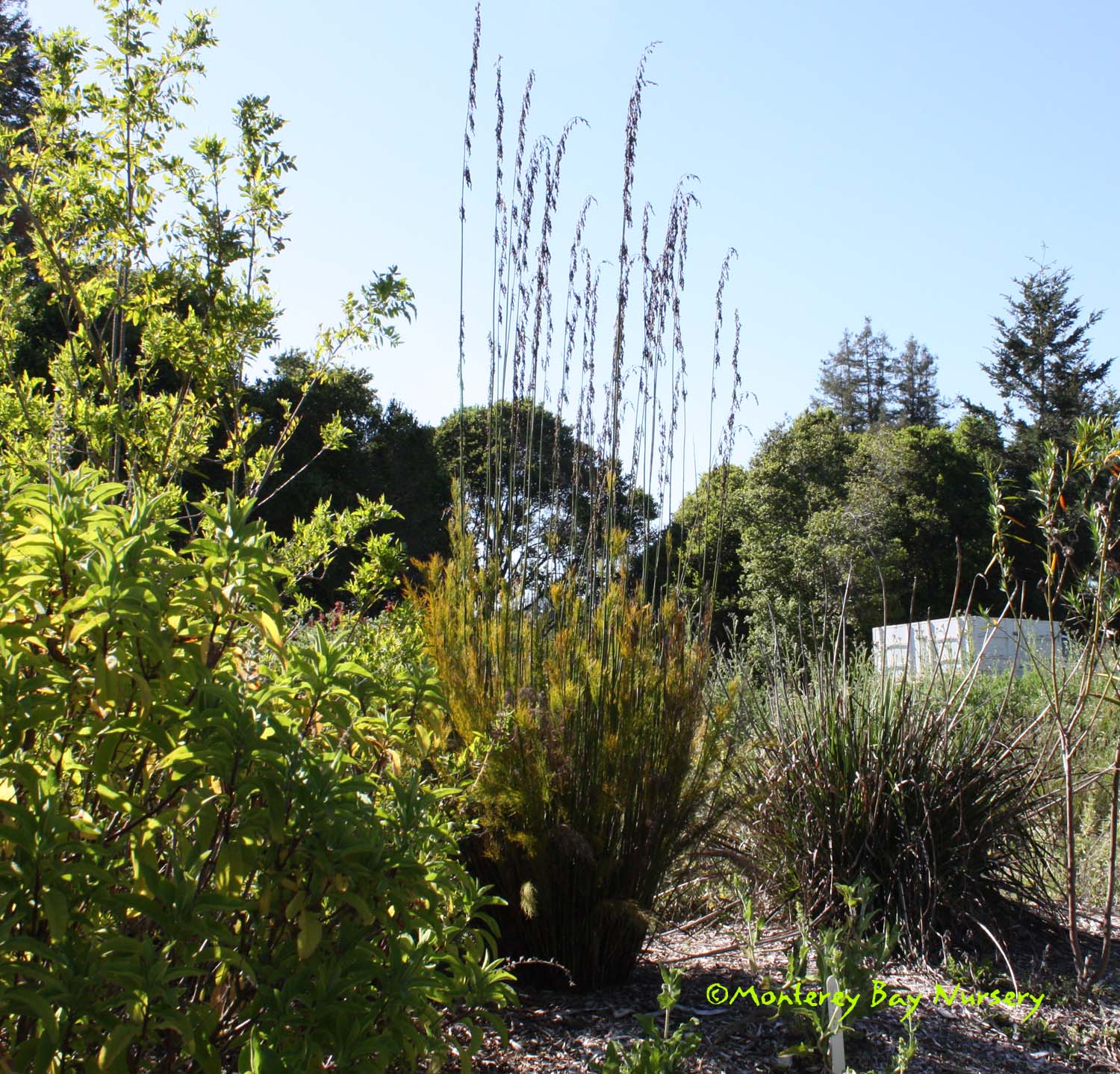
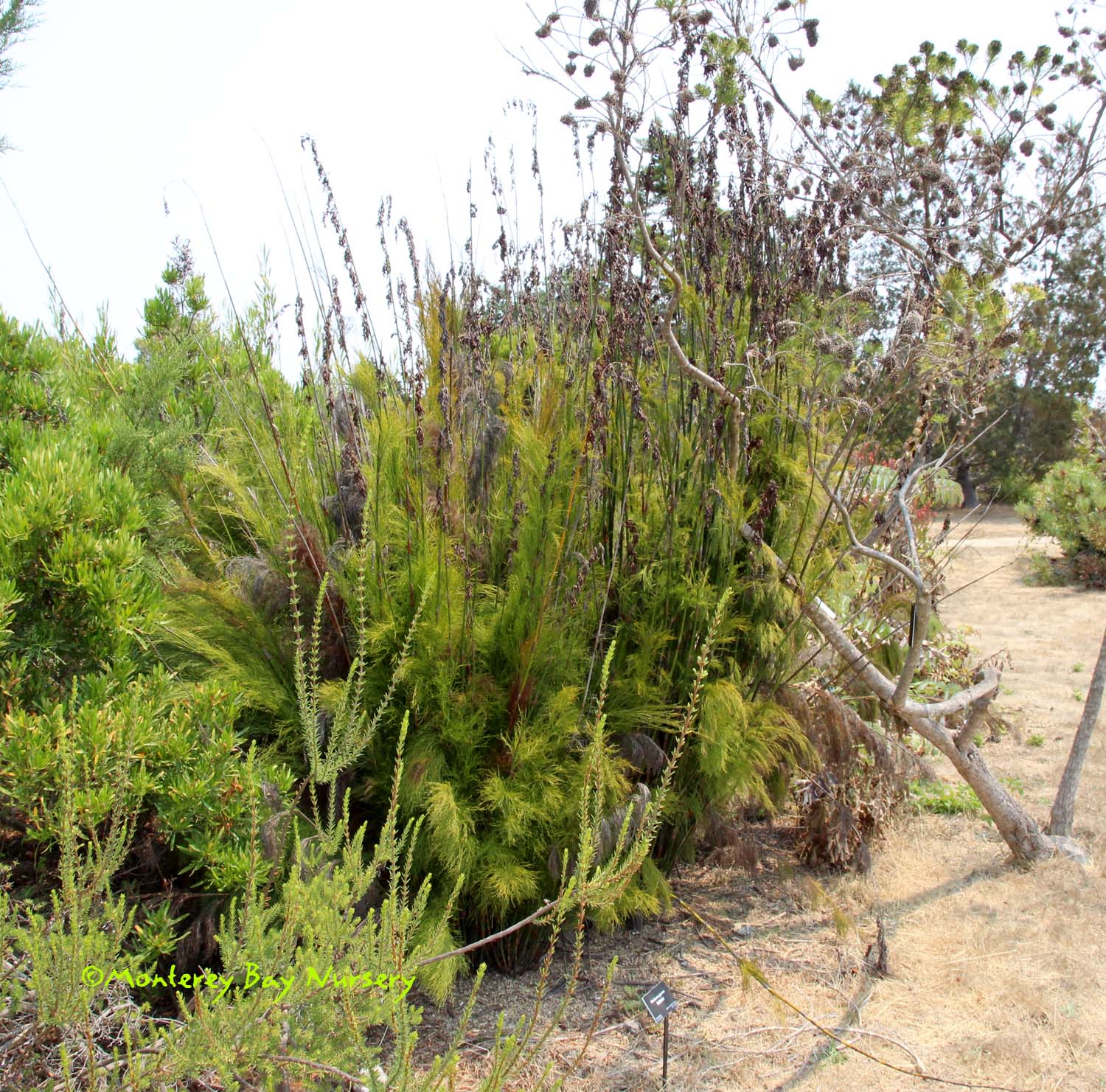
foliosa MIKADO STEMS (new shoots), KOALA FERN why you grow it, Blue Bamboo Nursery 5g crop, 2009 Strybing Arboretum, half-shade new Los Gatos landscape pendant spent male flowers spiky female seed pods white stigmas on female flowers, March flowers in spring, sprouts from the base after wildfires. One of the very best Restios of all when well-sited. It is a dense upright grower to about 3-4', with flower reaching to 4-6' tall. It is dense, bright green, plumose and very well behaved. Teresa Aquino of the former Blue Bamboo Nursery on Ocean Street Extension in Santa Cruz calls it her favorite species because it is always neat and fresh-looking, never needed grooming, didn't arch over with age and is well behaved. She likes the compact habit and rich green color. This species flowers in spring, with male flowers hanging in loose pendant skeins on stalks which rise to 1-3' above the foliage depending on culture and seedling variation. They age to golden then dark brown and are quite ornamental, like most male forms in this genus. Female flowers are white, form capsules holding tightly to their vertical stalks, mature to dark brown when seeds are ready in early summer and are modestly ornamental. Sun to half shade (the more sun the better), doesn't seem picky about soils. It almost certainly withstands wet winter conditions but needs a summer dry period like all right proper Mediterraneans. (SANBI: "The highest death rate in restios is usually caused by overwatering.") It can go very dry in summer but likes some watering late spring and the first cool period of late summer/early fall else it can begin looking scrubby. Probably withstands frost to 25°F without damage and should come back from the roots quickly at 20°F. Makes an excellent container plant. Being fire-adapted it should respond very well to being cut to the ground occasionally in late summer/early fall before new growth begins to push with cooler temperatures and rainfall. USDA zone 9/Sunset zones 8-9, 14-24. Found in more westerly areas of the Cape Region, South Africa. rev 3/2021
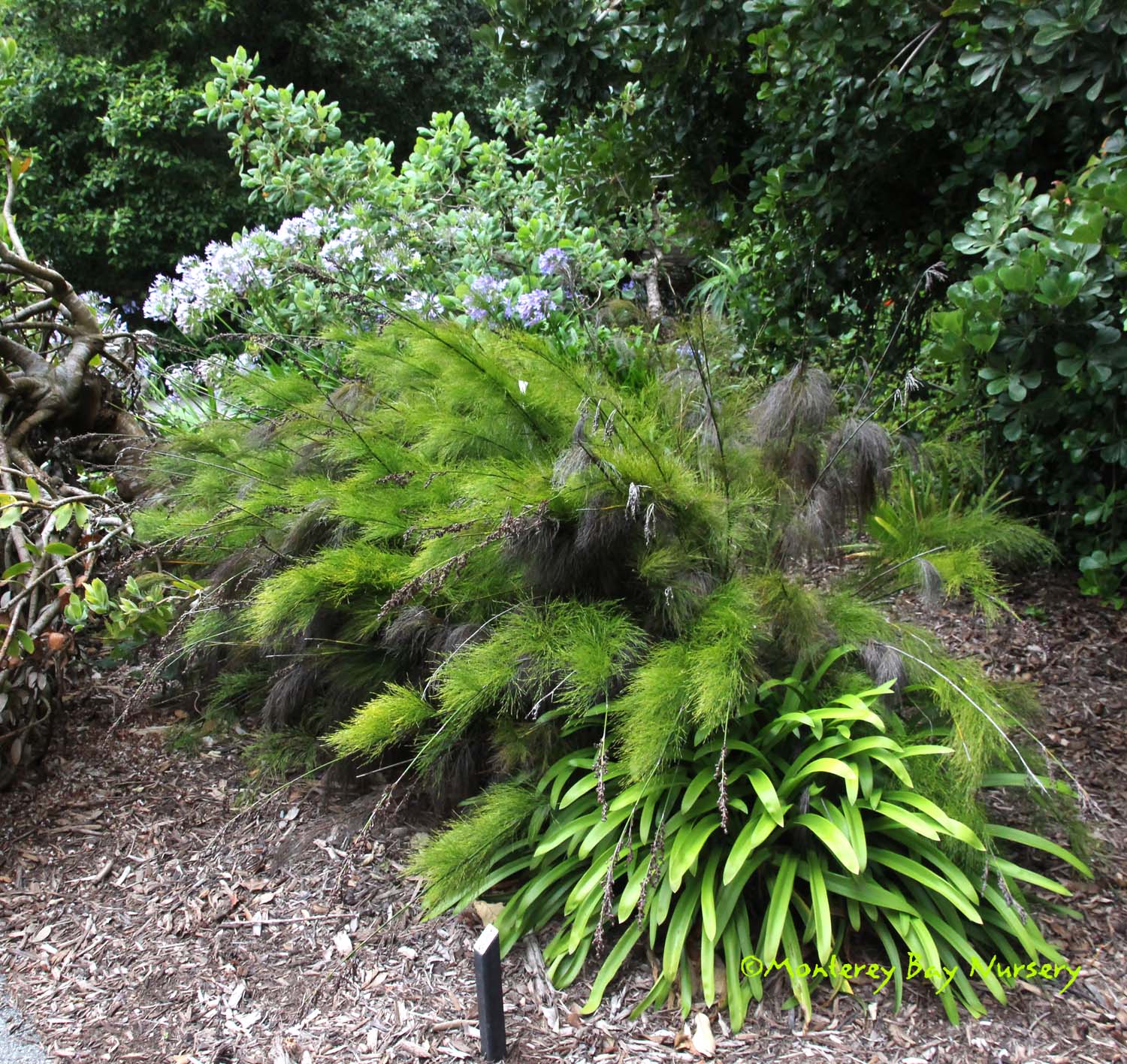
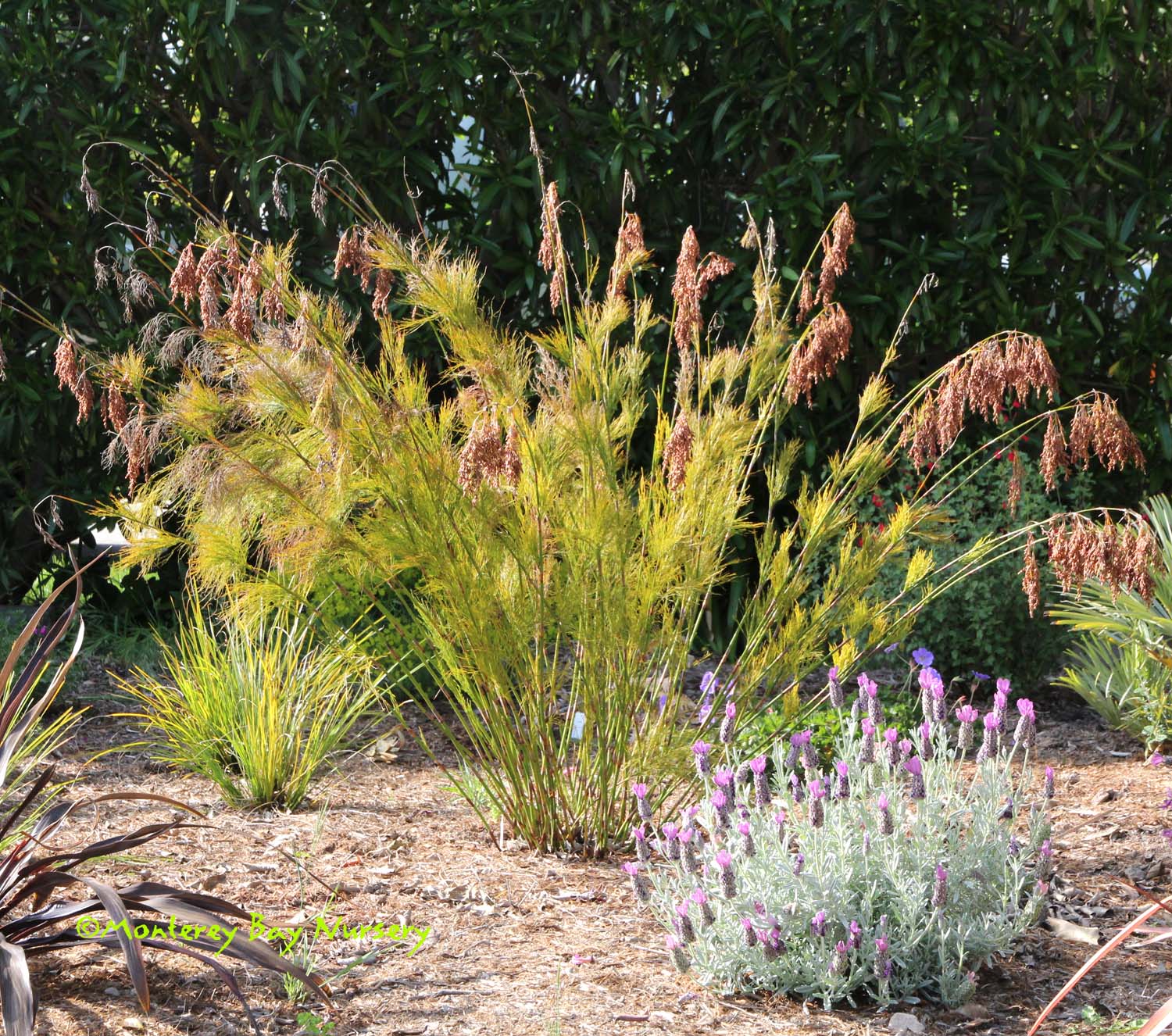
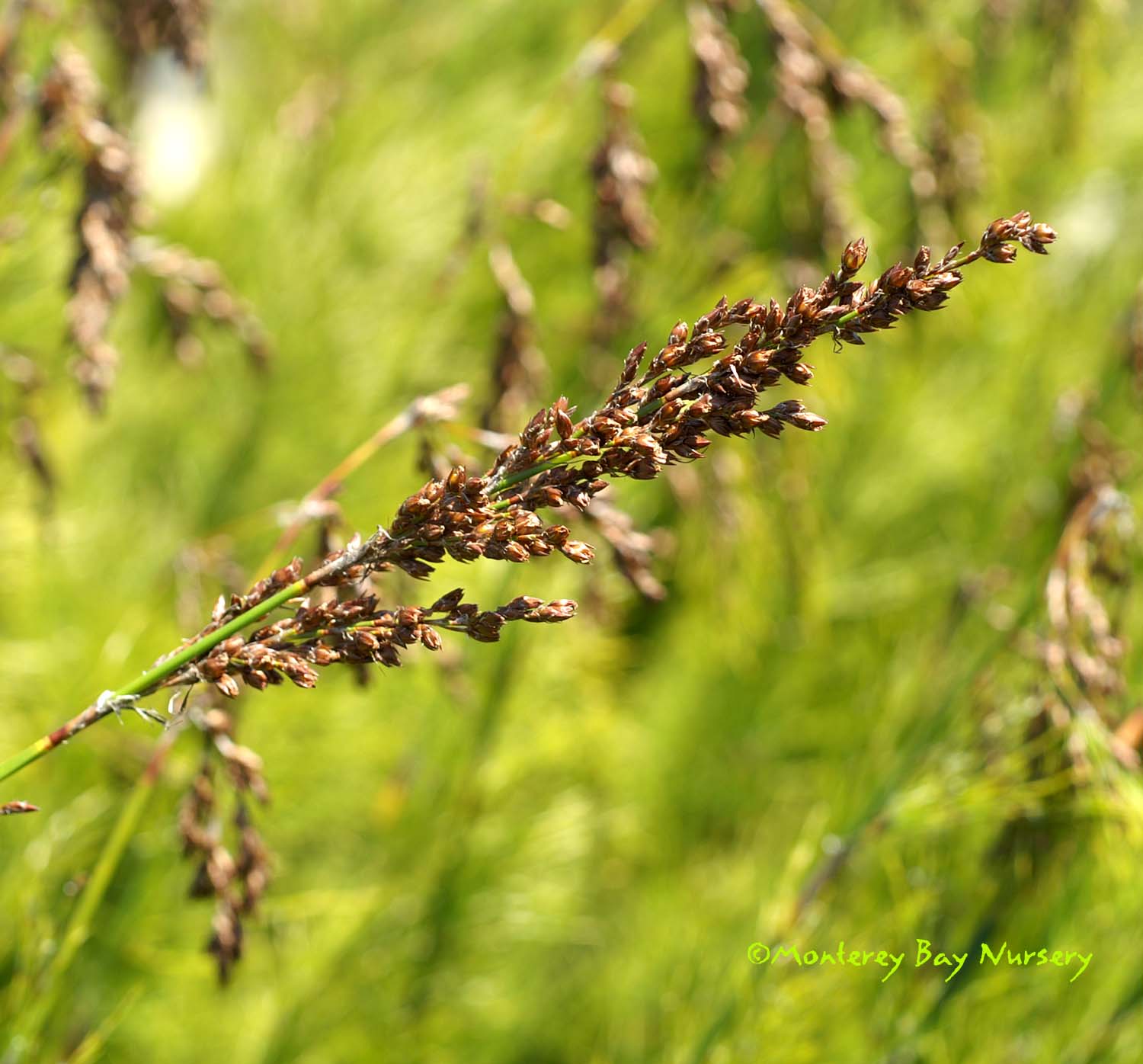
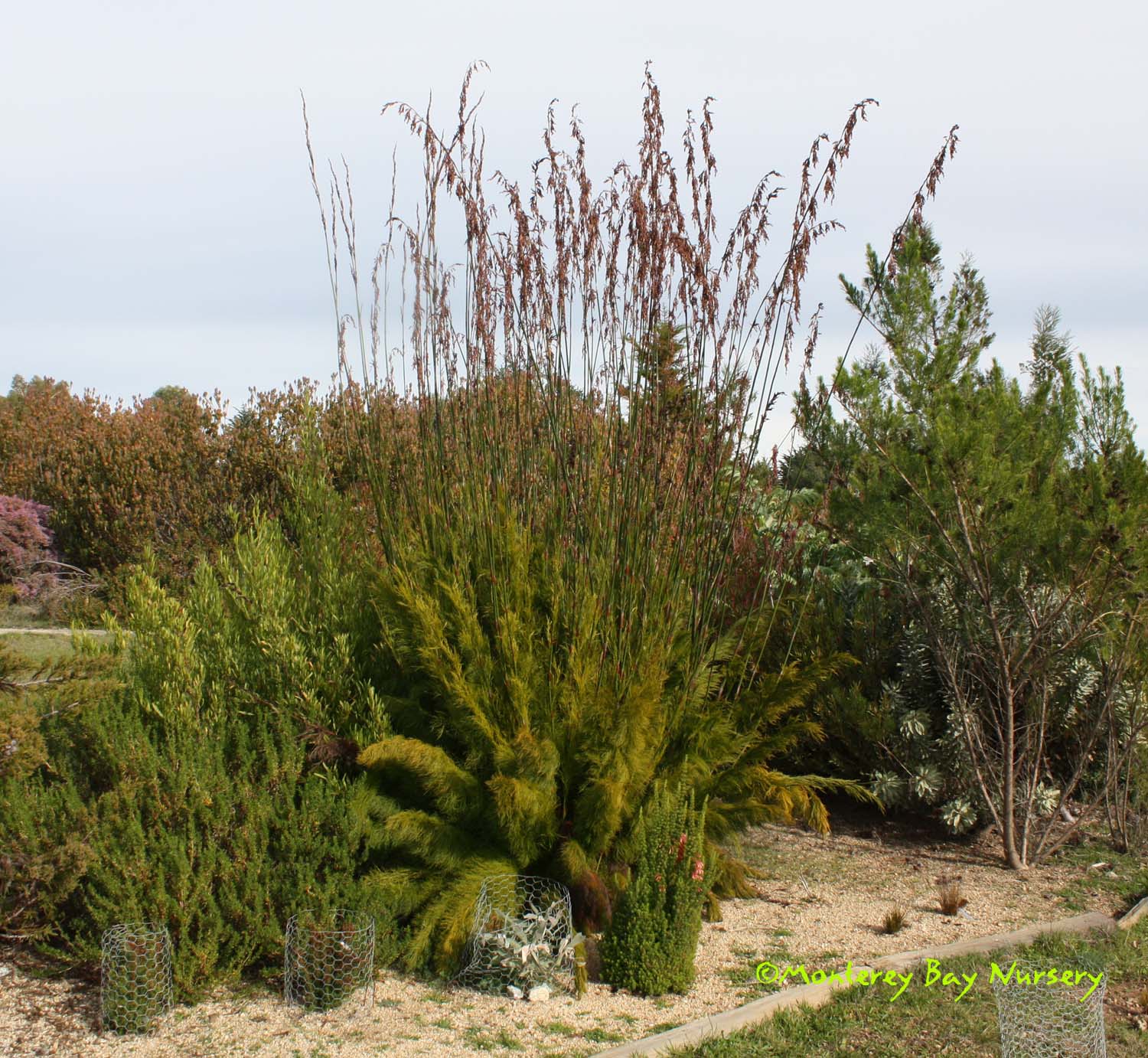
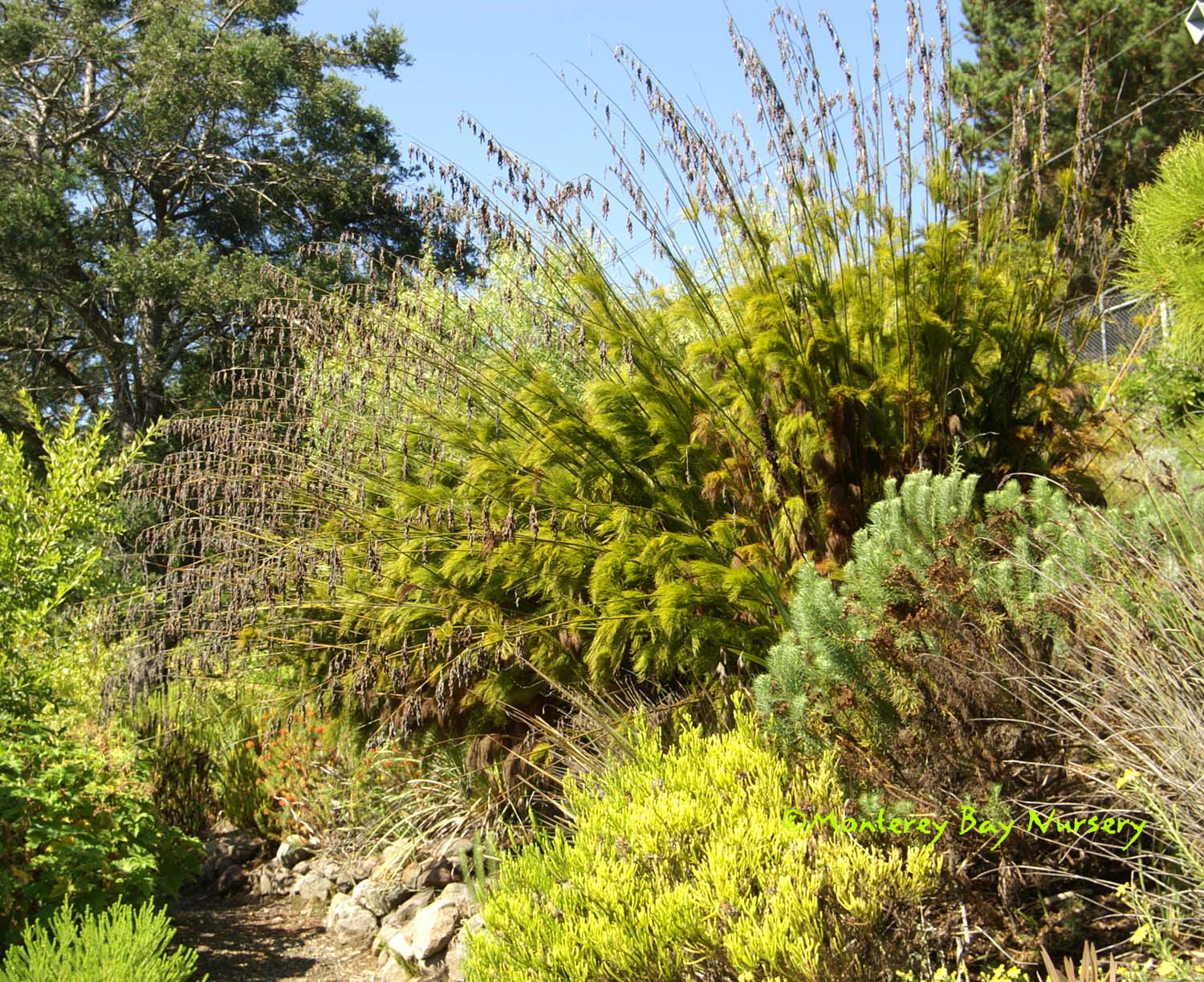
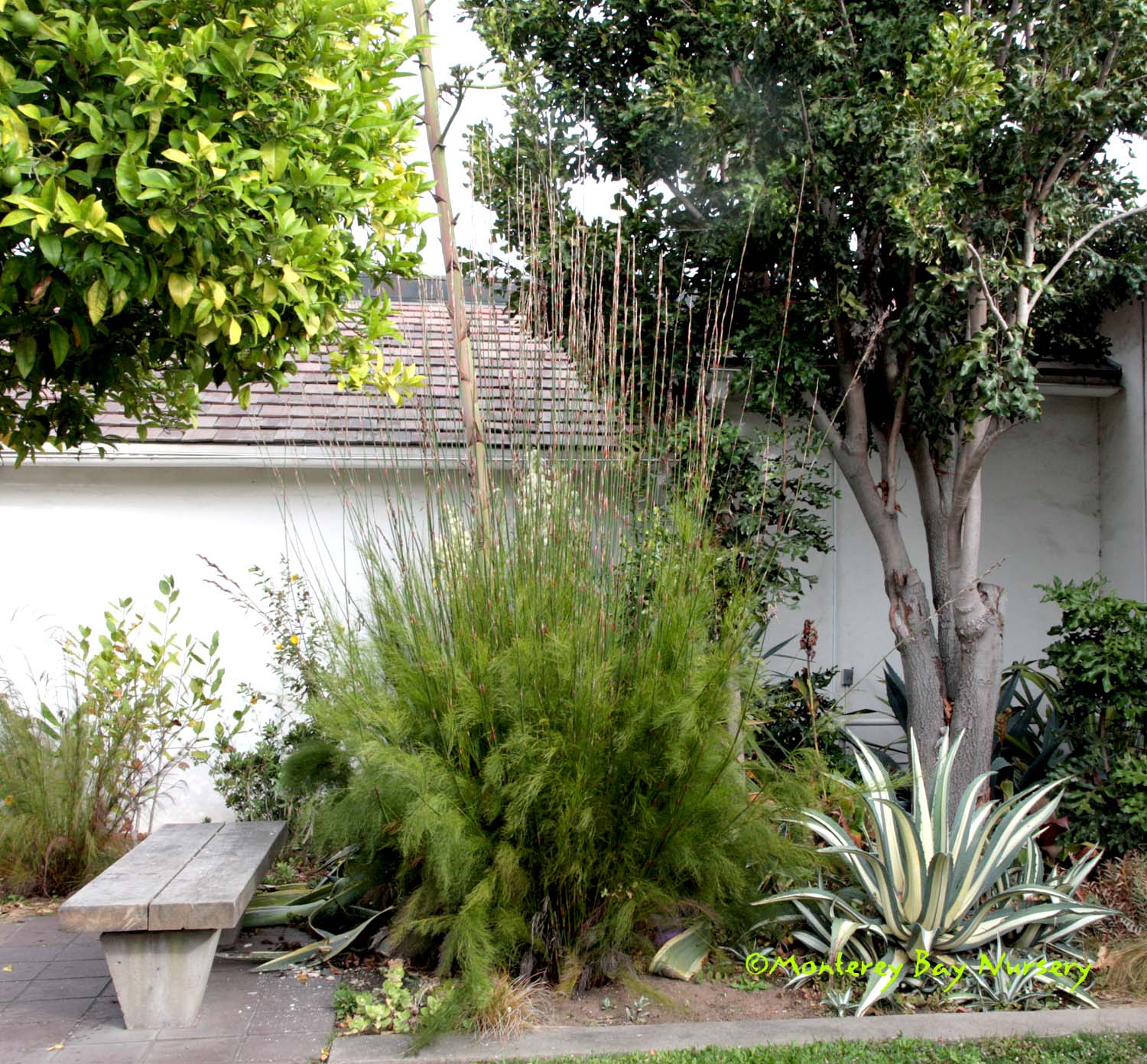
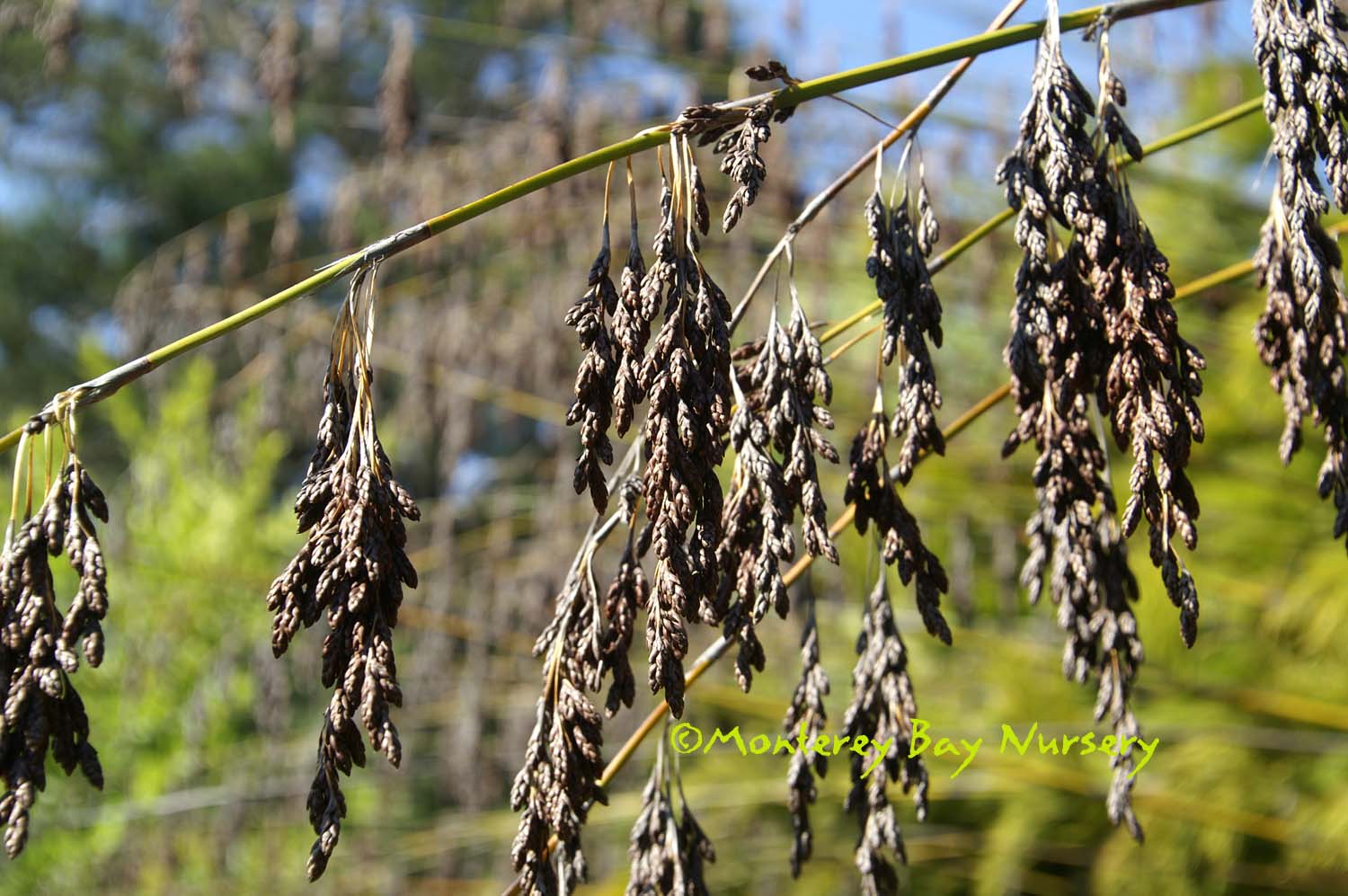
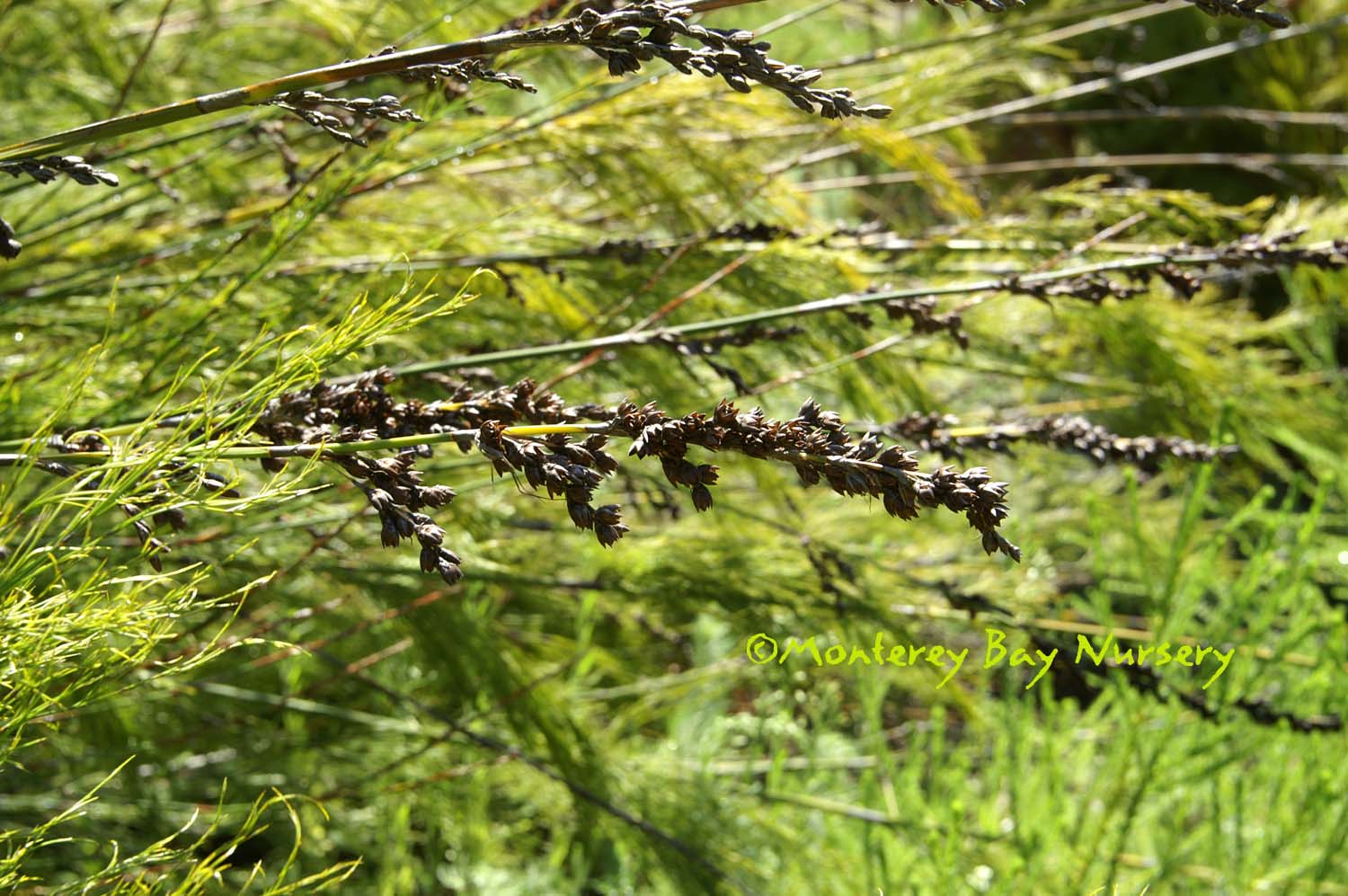
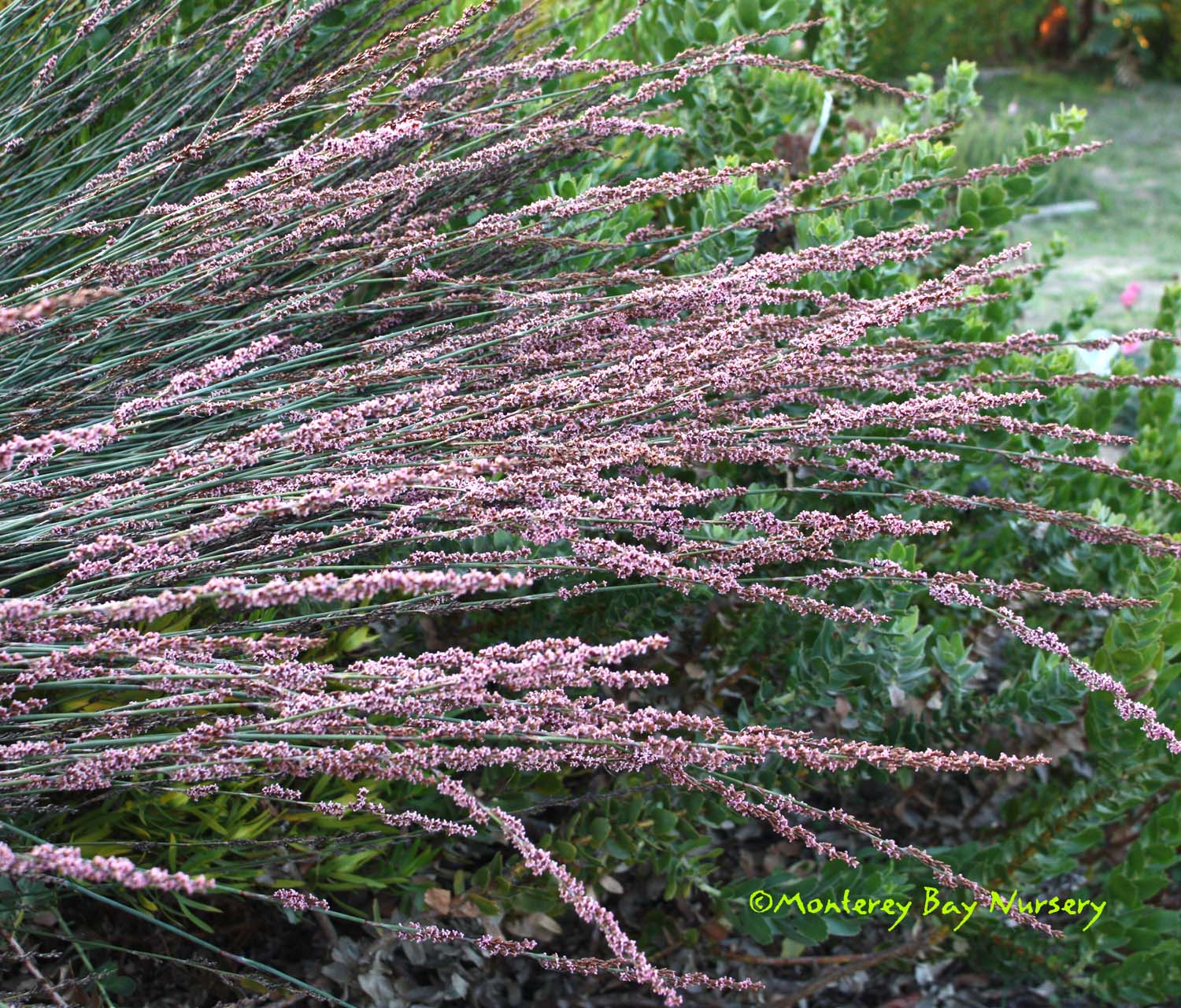
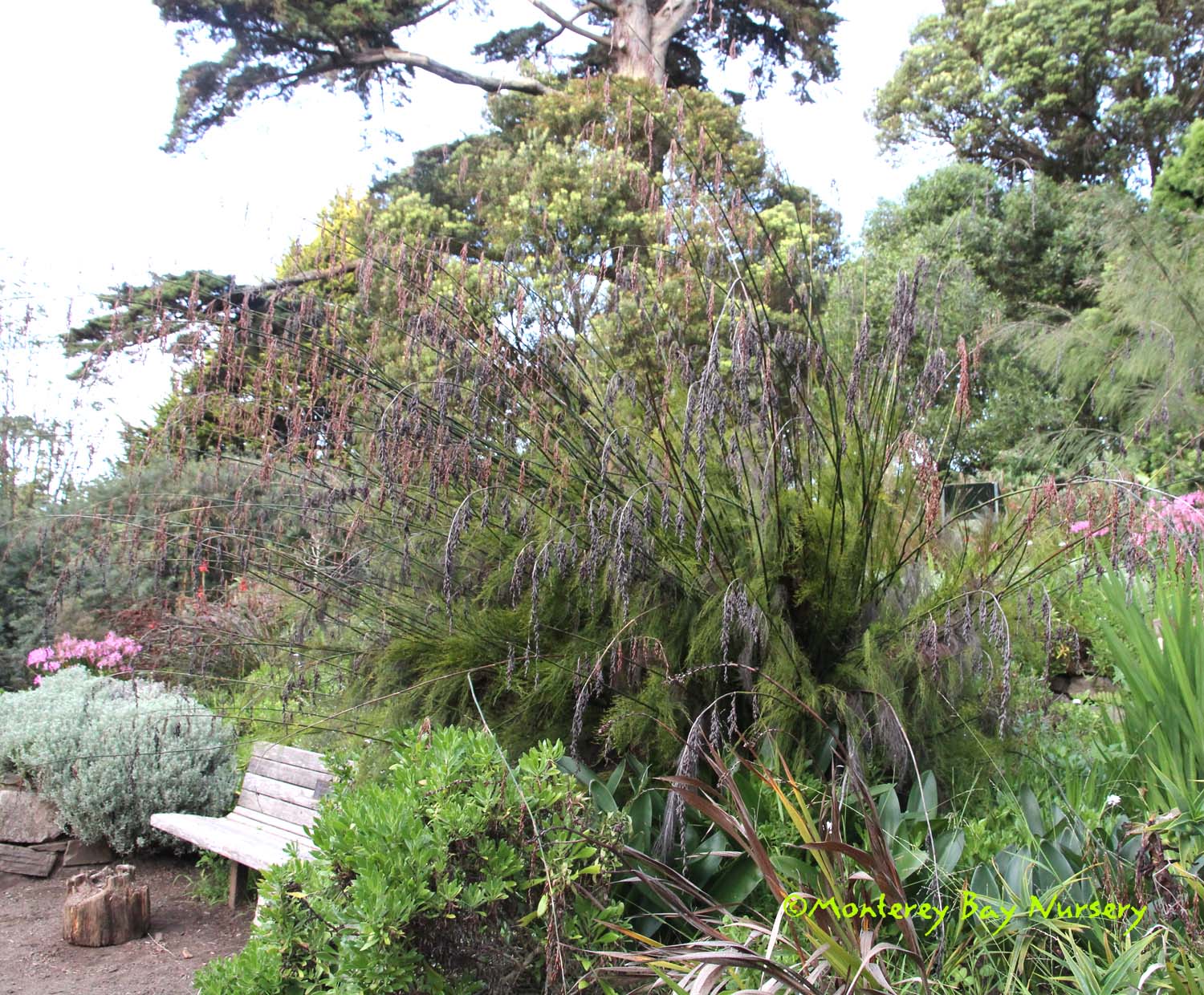
gigantea DEKRIET why you grow it, male, UCSC 2010 why you grow it, male, UCB 2006 why you grow it, Santa Cruz City Hall 2011 spent male flowers female seedheads pink stigmas on female flowers, November Strybing, male 2014 Cabrillo College, 2009 UCSC 2018 flowers in late fall-early winter, killed by wildfires, seeds on previous year's culms mature just before flowers emerge on new stalks. A wonderful and dramatic statement of towering, billowing, ferny bright green foliage. Approaches the magnificent but moody and demanding Cannamois virgata for stop-me-dead-in-my-tracks flamboyance but it's much easier to grow - and site as well. It's larger than smaller, similar and also-wonderful R. foliosa, above, hitting 5-7' tall and wide but flower/seed stalks can hit 10' or more and separating much more from the foliage. It also has a looser, more vertically-extended presentation of the foliage mass. For a plant that looks like it should be a drama queen it's pretty easy, needing just average quality soils and drainage, very occasional to no summer watering in many areas depending on heat and humidity. (SANBI: "The highest death rate in restios is usually caused by overwatering.") It needs little or no care besides grooming out the spent sterile and fertile culms once a year. It will withstand some winter inundation if not held stagnant. As it is not fire-adapted it cannot be ruthlessly cut back, be a little more judicious. While the two can mingle on size at the upper/lower tail ends of their growth habit bell-curves this recently-separated species is distinguished by its fall-winter flowering habit and conspicuously pink female flowers (vs. white). Tops are frost hardy to around 25F and I know it comes back from the base down to about 20F, maybe even 15F if legends from the PNW are to be believed. It is not well-adapted for container applications. Acid soils, the deeper and more mineral the better. Native to more eastern areas of the Cape Region, South Africa. rev 3/2021
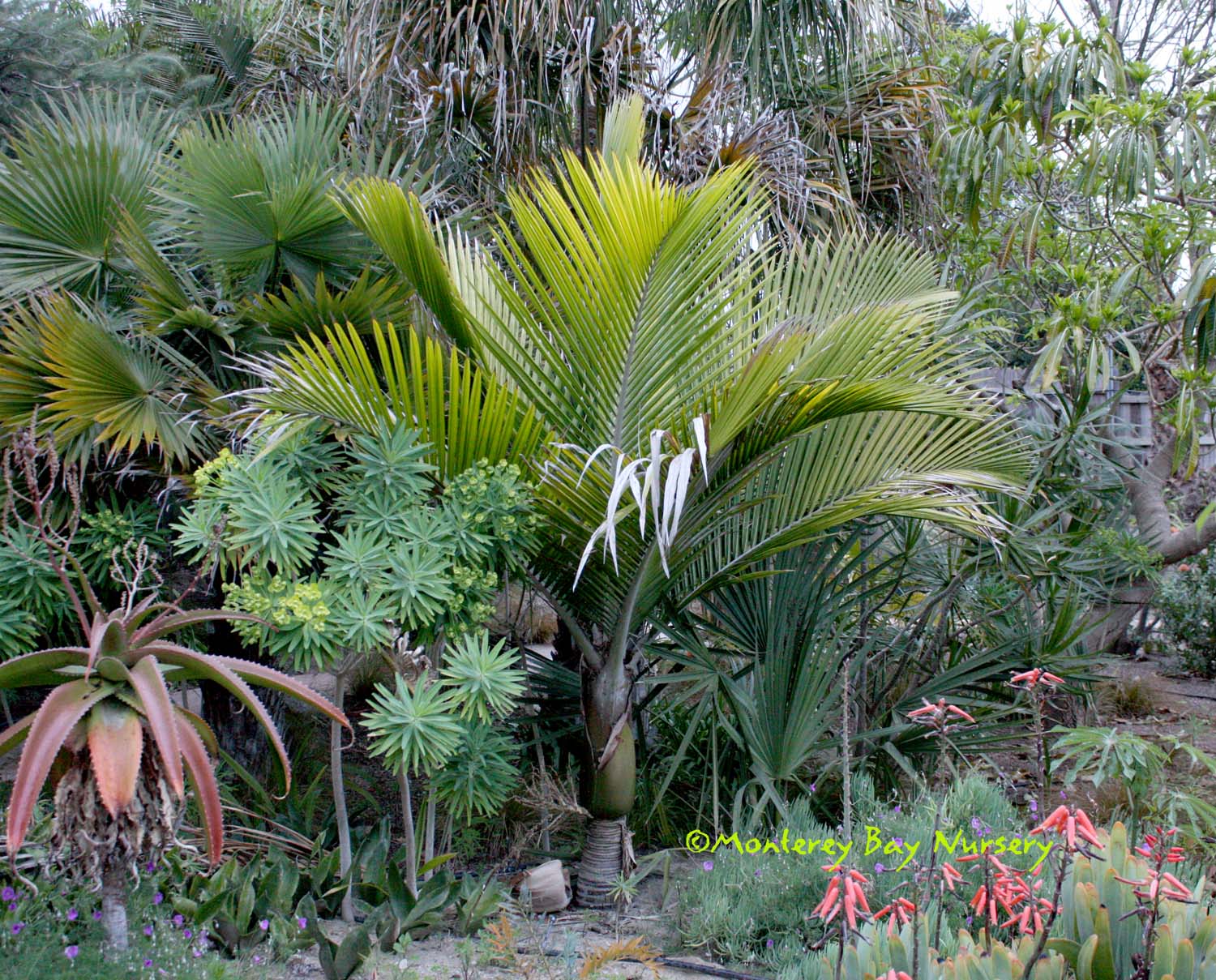
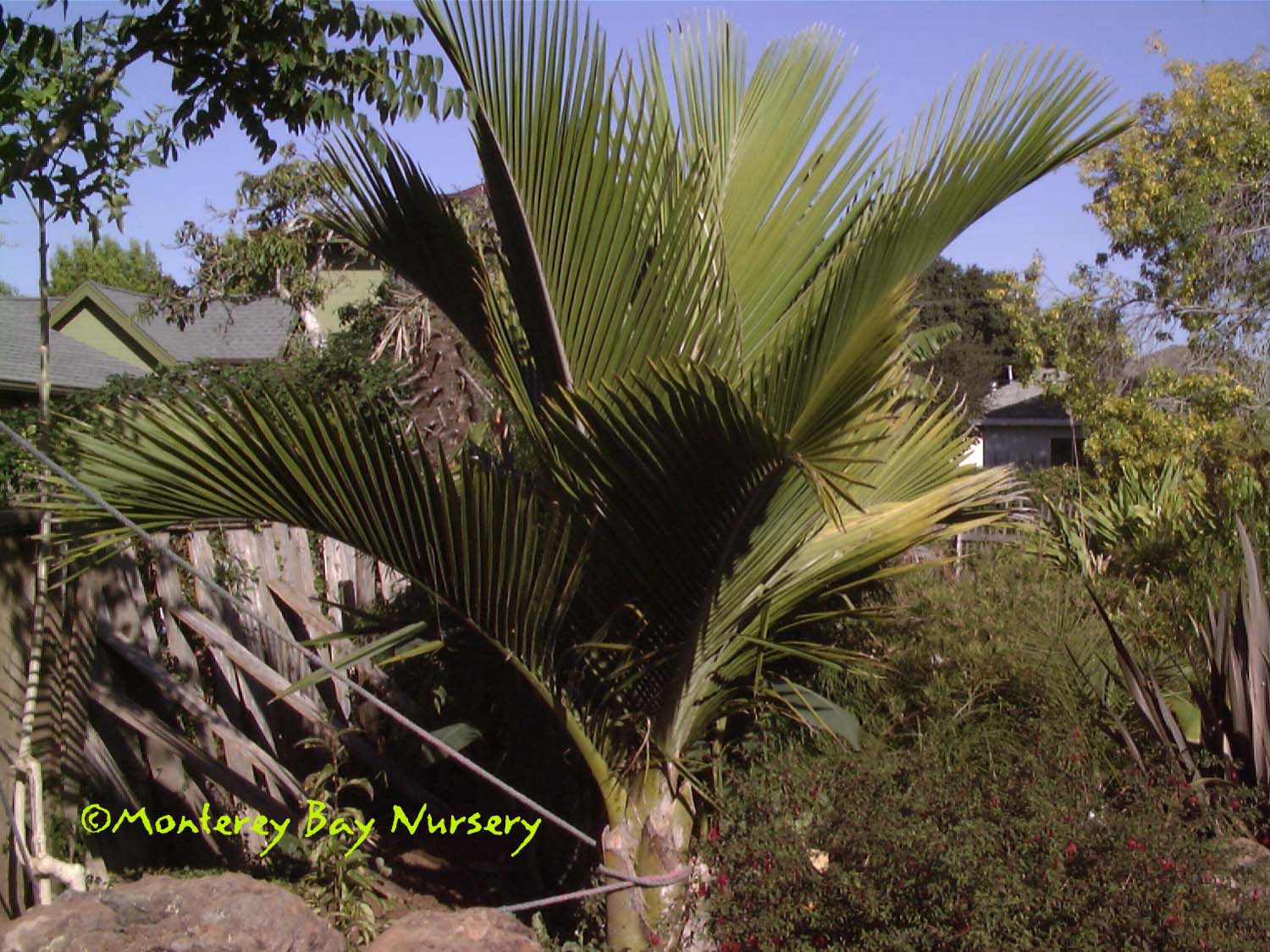
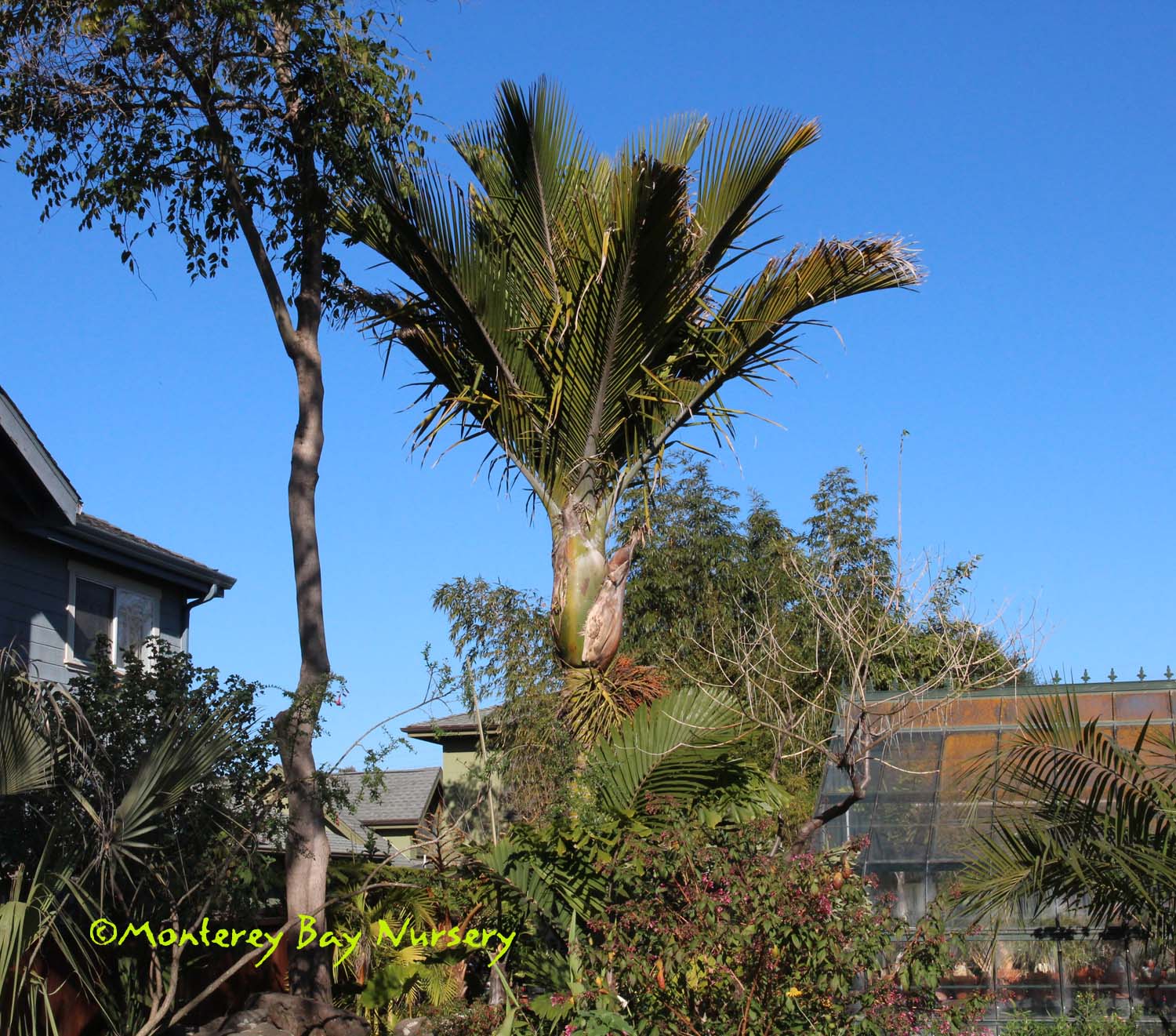
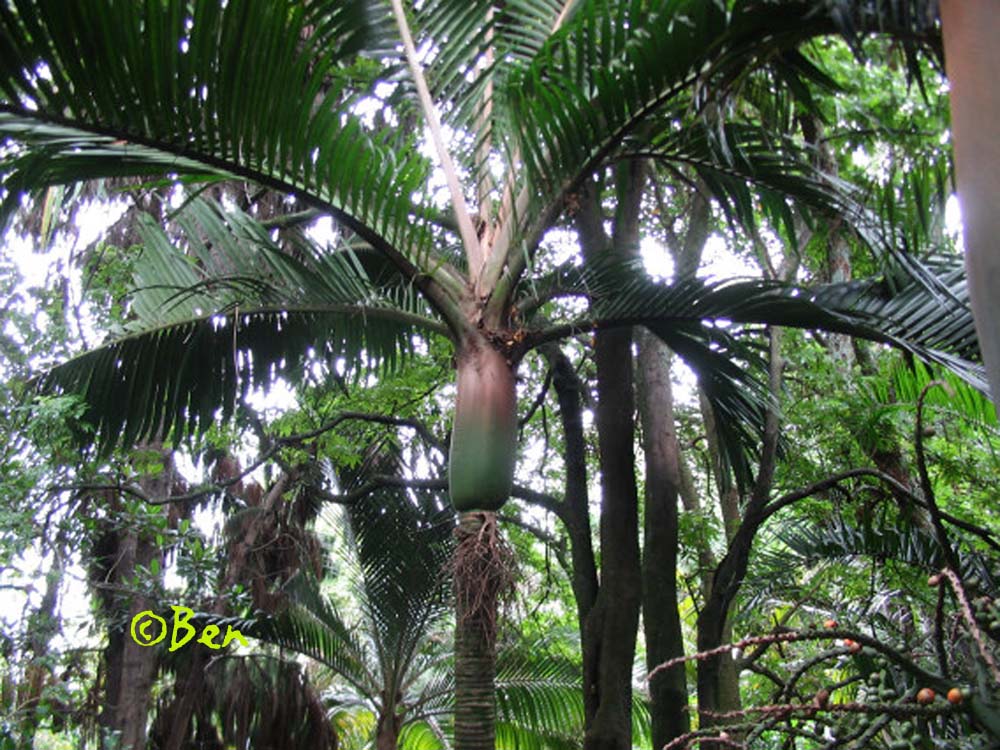
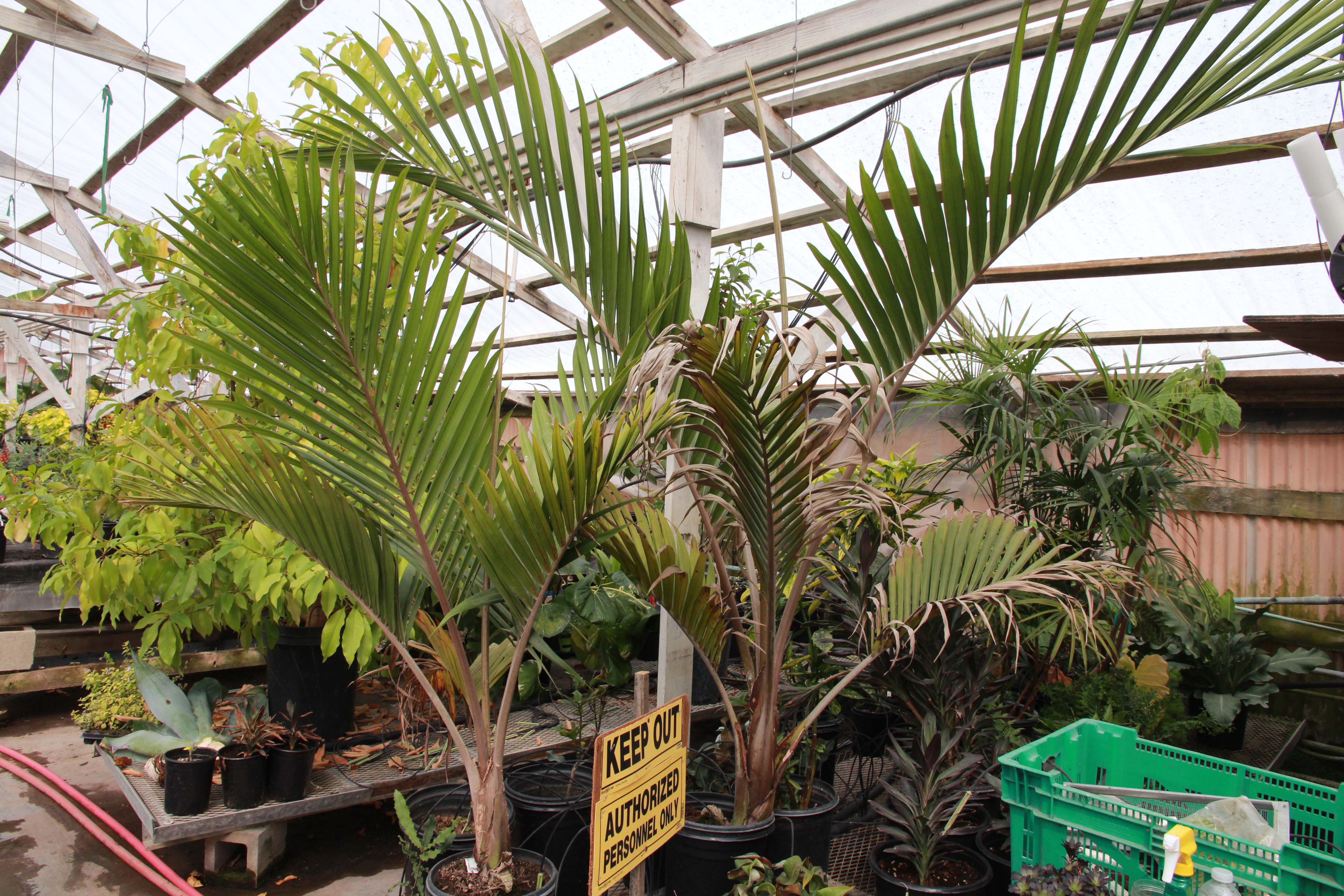
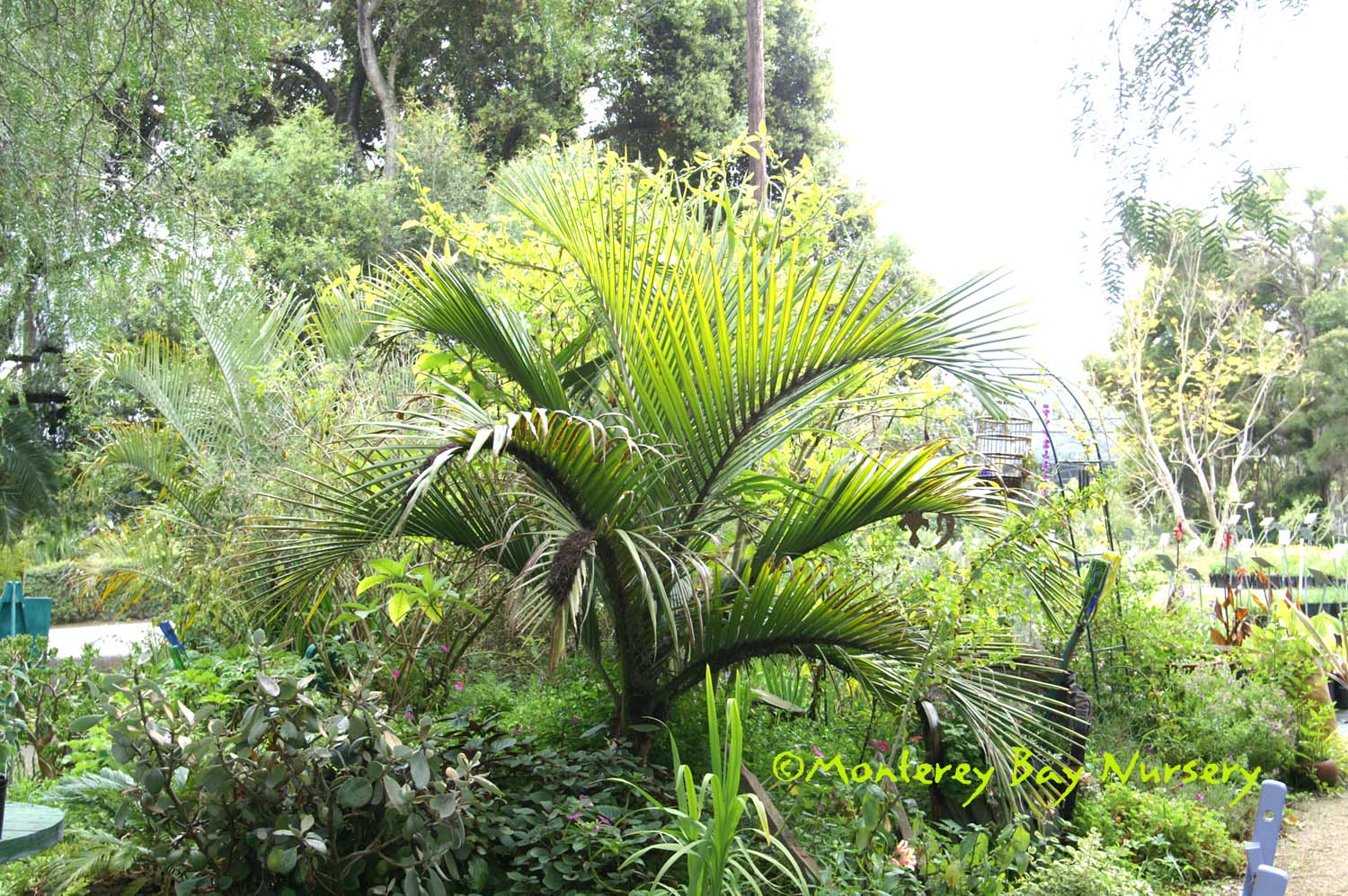
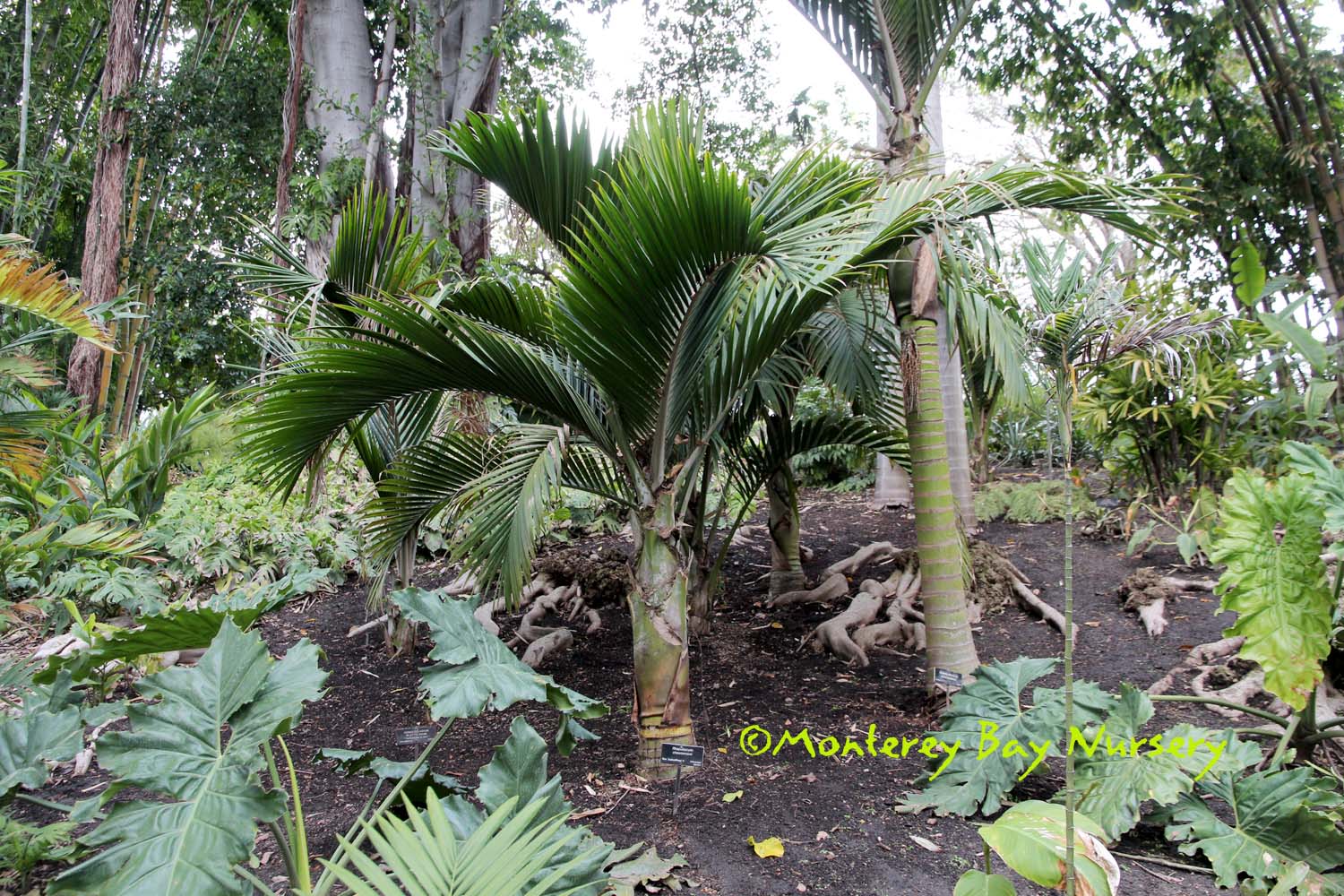
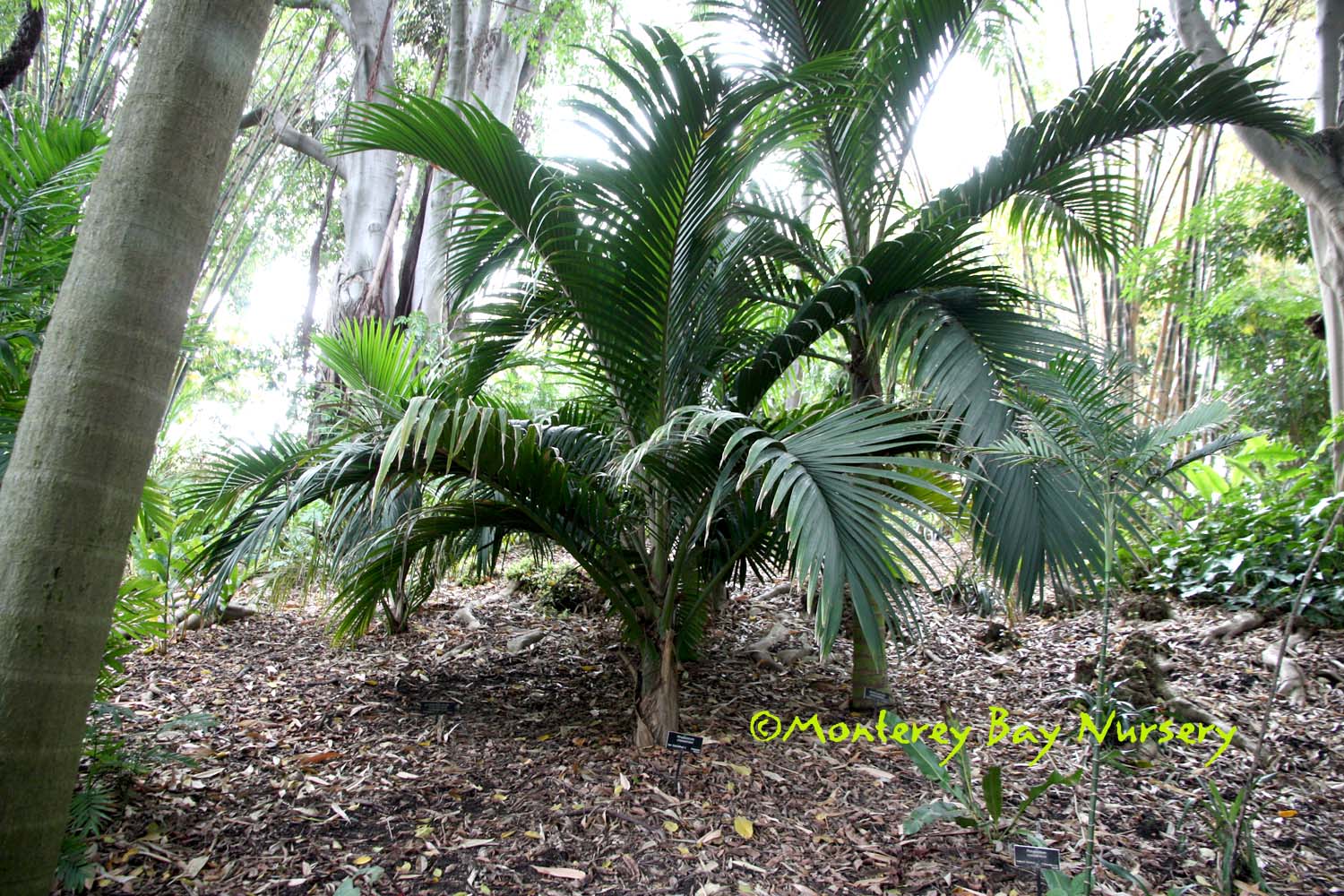
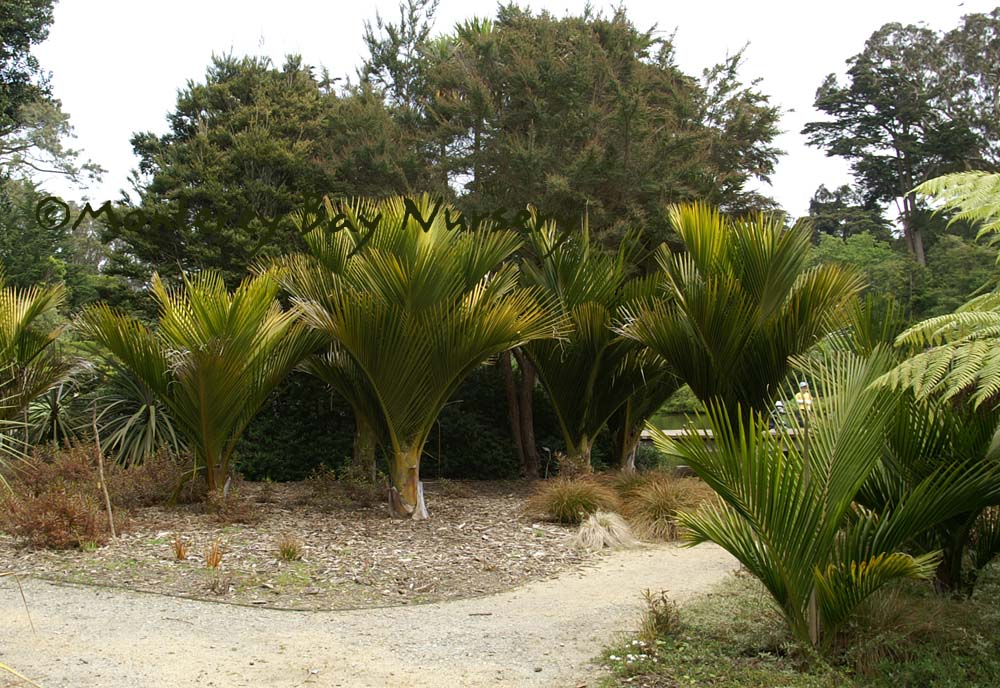
Rhopalostylis SHUTTLECOCK PALM, NIKAU PALM two or three slow, compact, stately, mature pinnate-leaved species native to New Zealand's North and South Islands as well as Chatham Island (R. sapida, Quail Botanic Gardens, Encinitas), the southernmost palm of all at 44°S latitude. Develops very neat, dark green fronds held at narrow upright shuttlecock or shaving brush-like angles, with fronds held at wider angles approaching horizontal when mature. trunks. Slow, stately, dramatic, rare. They like cool to moderate summer climates and range in frost hardiness but not are very cold tolerant. These palms usually start life as understory seedlings and are faster, greener and display wider frond-angles with generous shade when young. With full maturity (starts to flower) fronds are displayed at wider angles, approaching horizontal, and plants are more sun tolerant. New Zealand. Palmae/Arecaceae. rev 9/2019
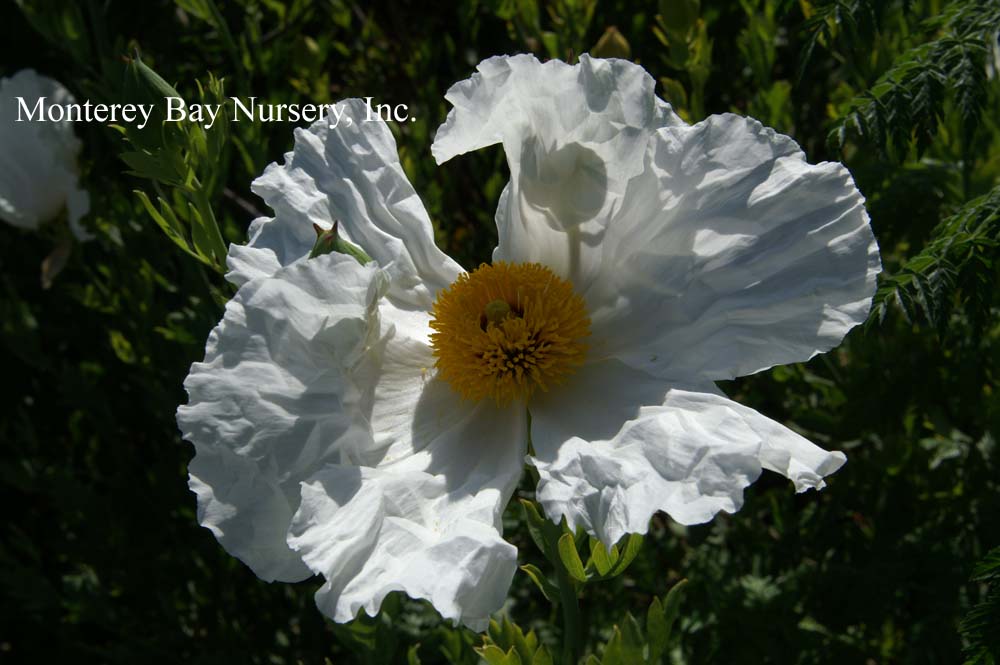
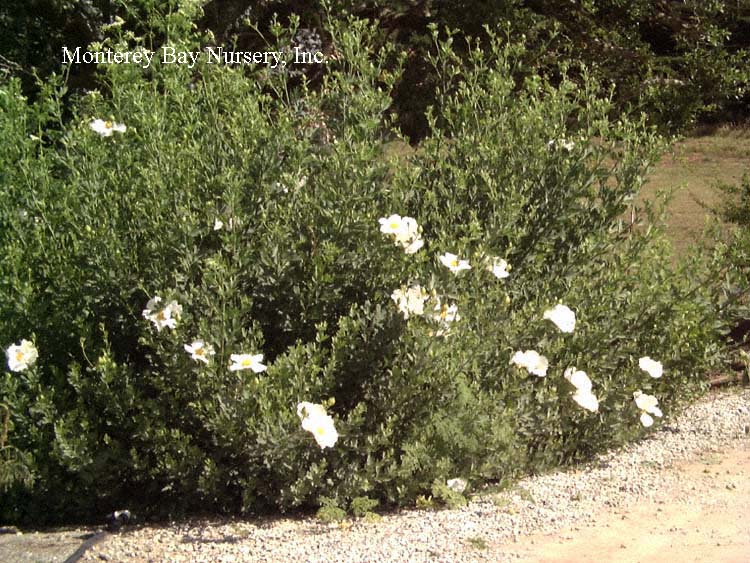
Romneya coulteri MATILIJA POPPY flower cut medium size plant evergreen to deciduous perennial, growing upright stems to 10’ but usually lower, especially if pruned back in winter. Large, relatively smooth grey green leaves are partially divided. Huge, 6-8" wide white flowers have crinkly, crepe paper petals and a globular cluster of deep yellow stamens at the center. Makes a stunning cut flower. Sun, average to good drainage, little or no summer watering. Definitely looks best if cut back hard in winter. Southern California. Papaveraceae. rev 9/2019
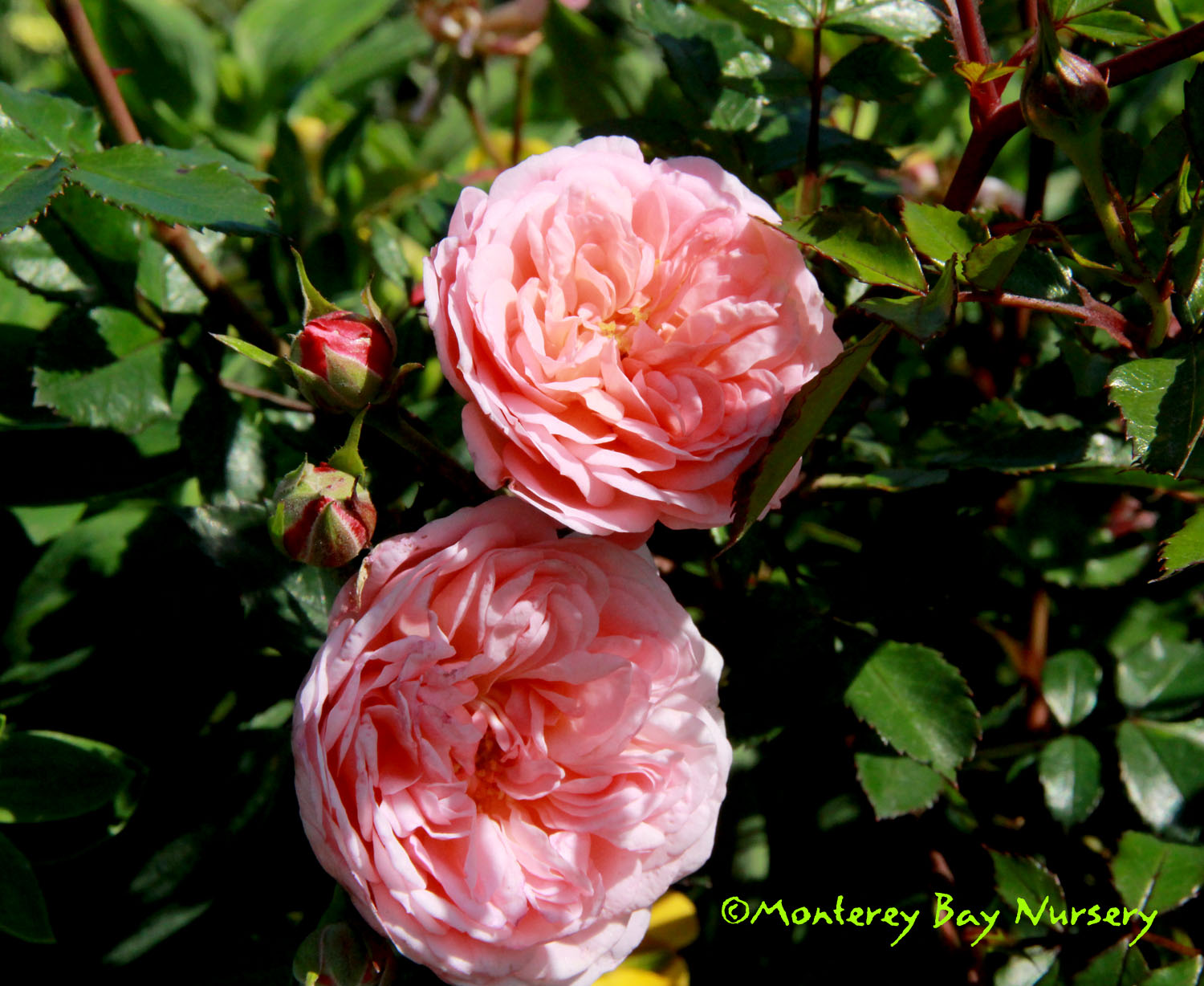
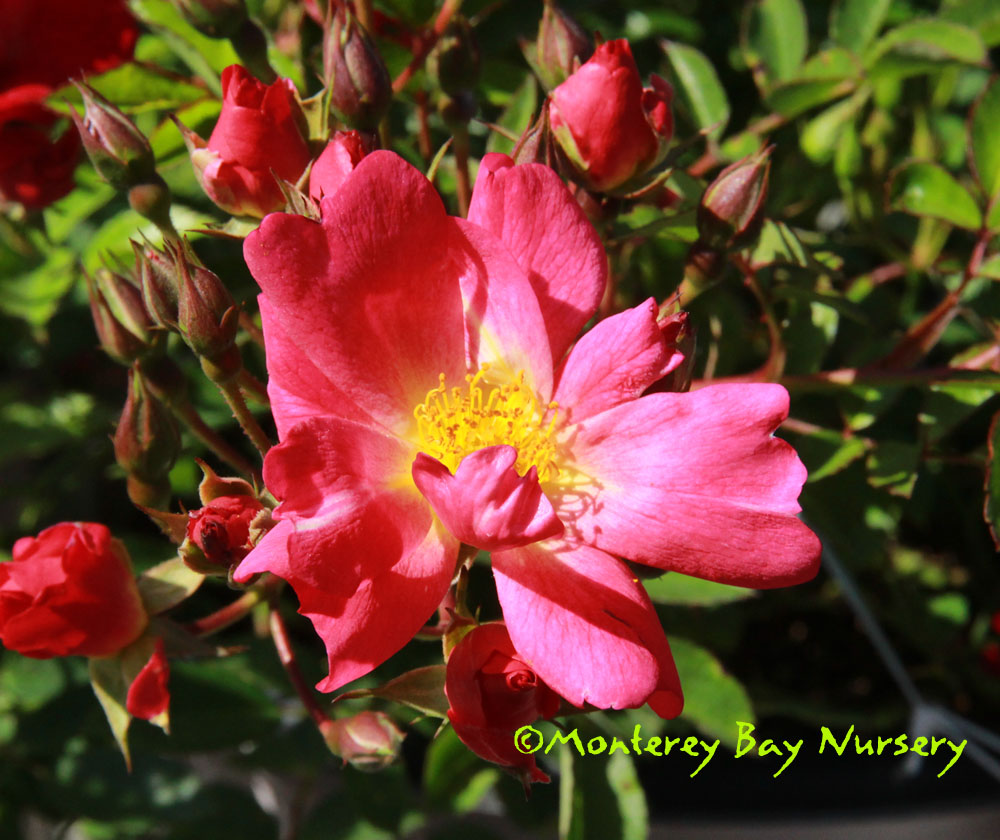
Rosa ROSE evergreen to deciduous shrubs and scandent climbers. Almost all are very tough and durable when established. Full to mostly full sun, not particularly fussy about drainage. Some are disease prone (mostly mildew in California), those we stay away from. Rosaceae. rev 8/2019
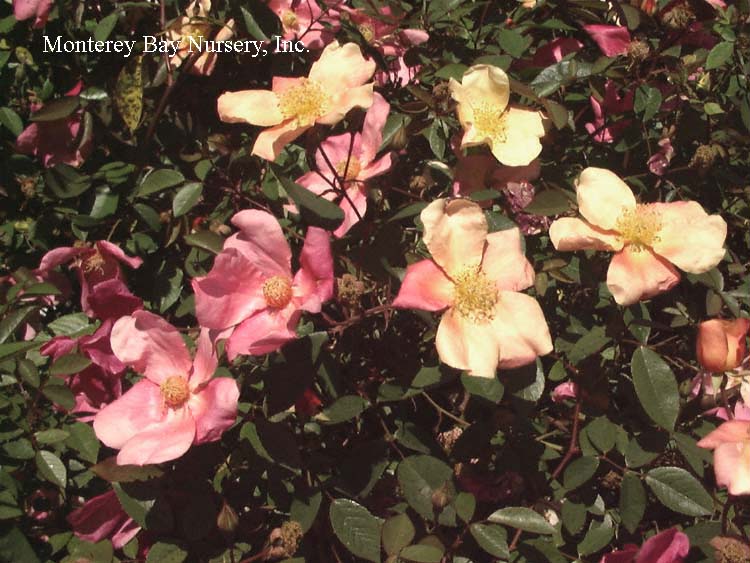
chinensis (not currently in production) flowers habit also known as R. chinensis ‘Mutabilis,’ this plant grows to 5’ tall and 7’ wide. It is an outstanding species, and bears single deep pink flowers, to 3" across, which age to salmon. Heaviest bloom is in spring, with flowers produced continuously through summer and fall. rev 9/2019
HYBRIDS:
CLIMBERS: (none currently in production)'Brilliant Pink Iceberg' (not currently in production) mature flower younger same vigor, glossy foliage, disease resistance, outstanding bloom performance, repeat/everblooming habit, shape, you name it, but with flowers watercolored and blushed a deep cerise pink. Grows a little more openly than its parent. rev 5/2007
'Bull's Eye' (not currently in production) pastel petals creamy colored, semi-double flowers with a cranberry eye rebloom atop shiny, dark green leaves that are very resistant to black spot. Easy to maintain and makes a fine hedge, 4-5' tall and wide. rev 4/2014-Suzy Brooks
'Crimson Sky' PP18654 (not currently in production) achy breaky eyes! lots of non-fading bright red flowers will keep blooming into fall. A sister seedling of 'Red Eden' that blooms earlier, it can grow to 12' or more. Outstanding on a trellis or fence. rev 4/2015-Suzy Brooks
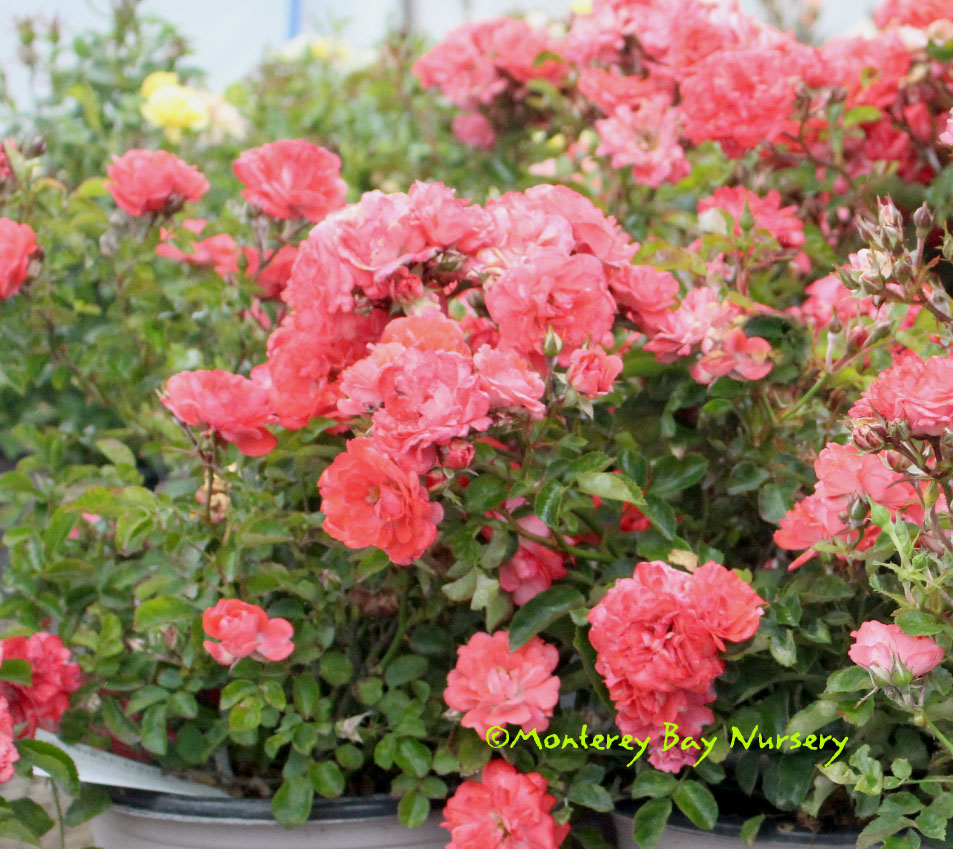
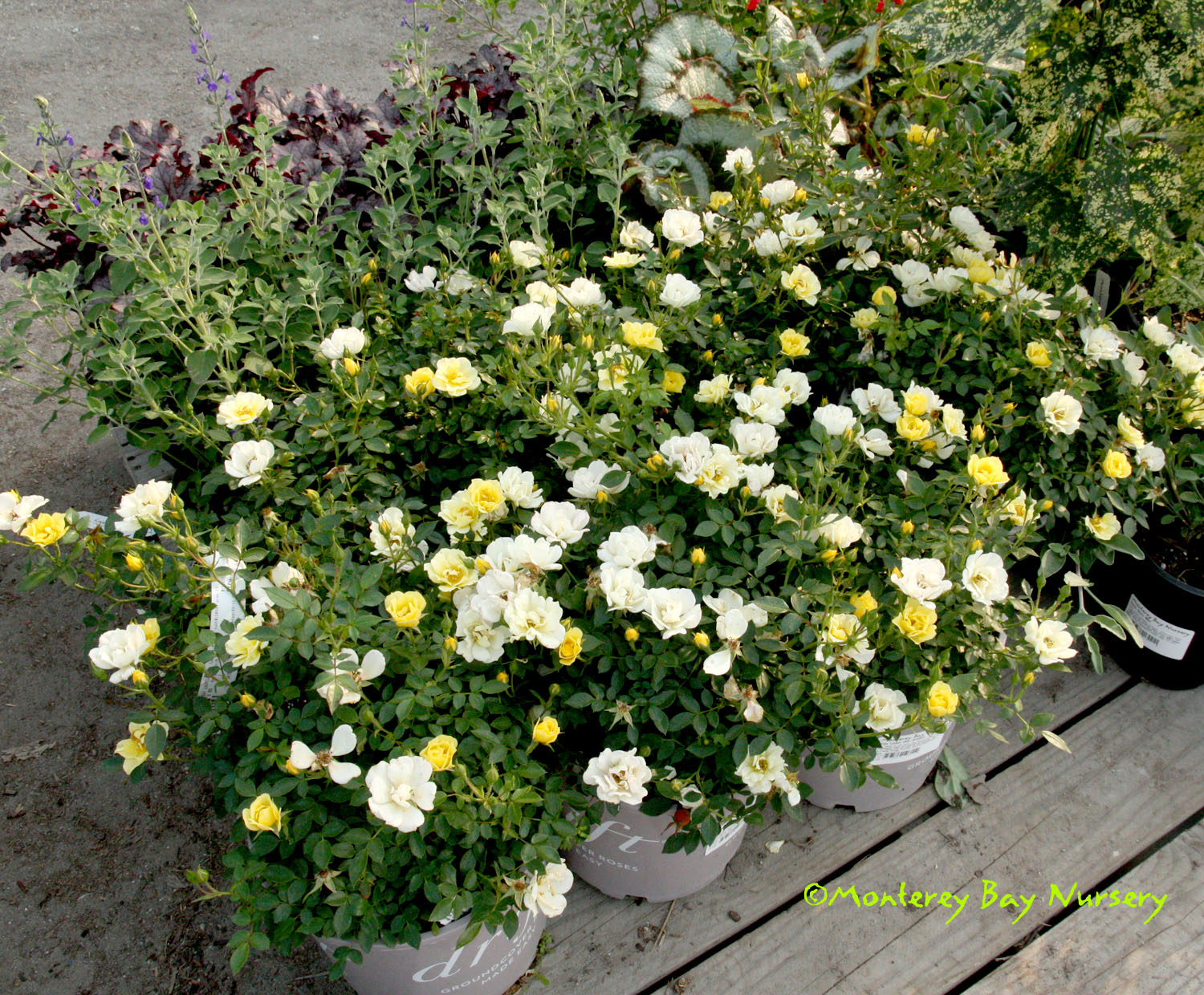
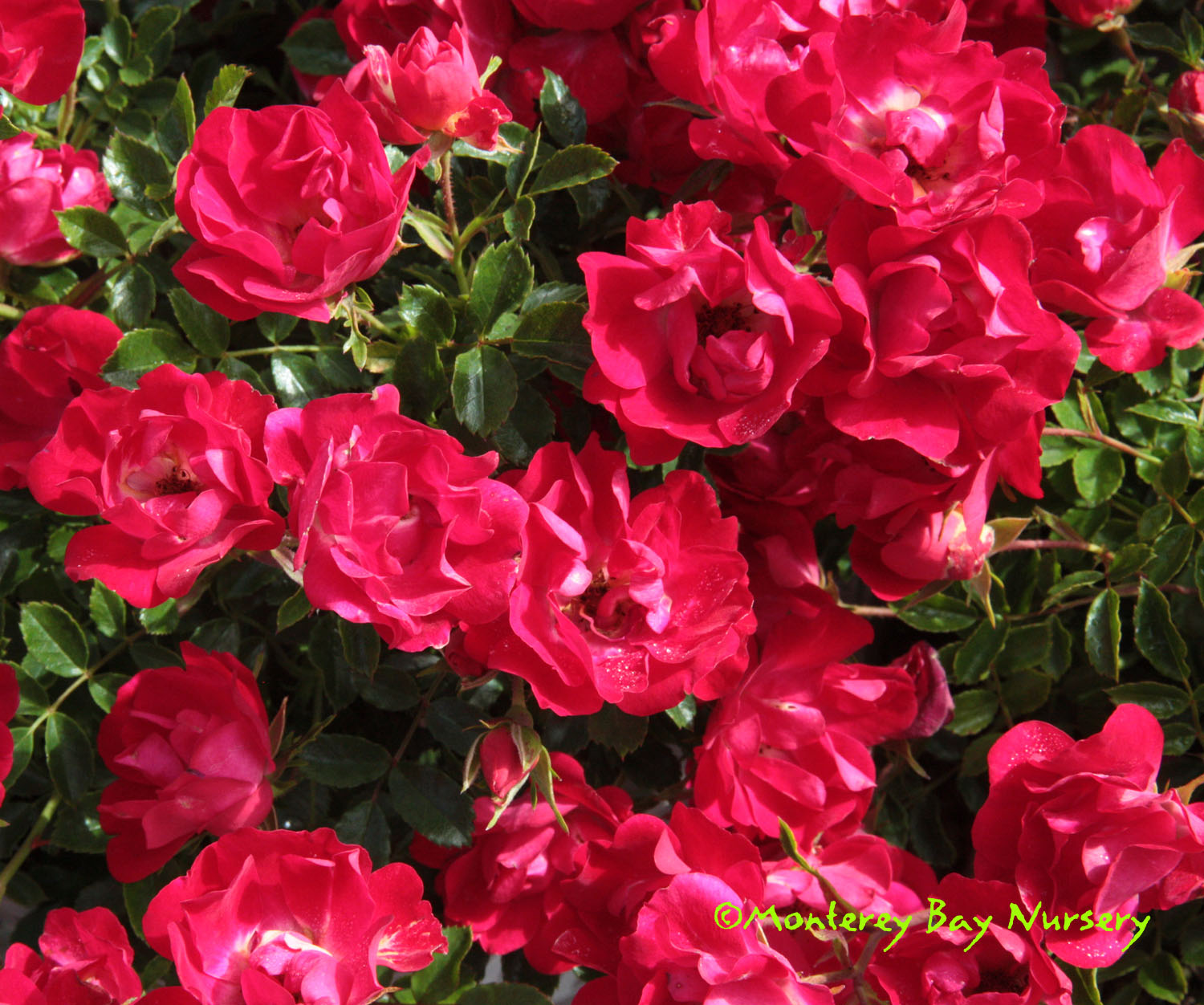
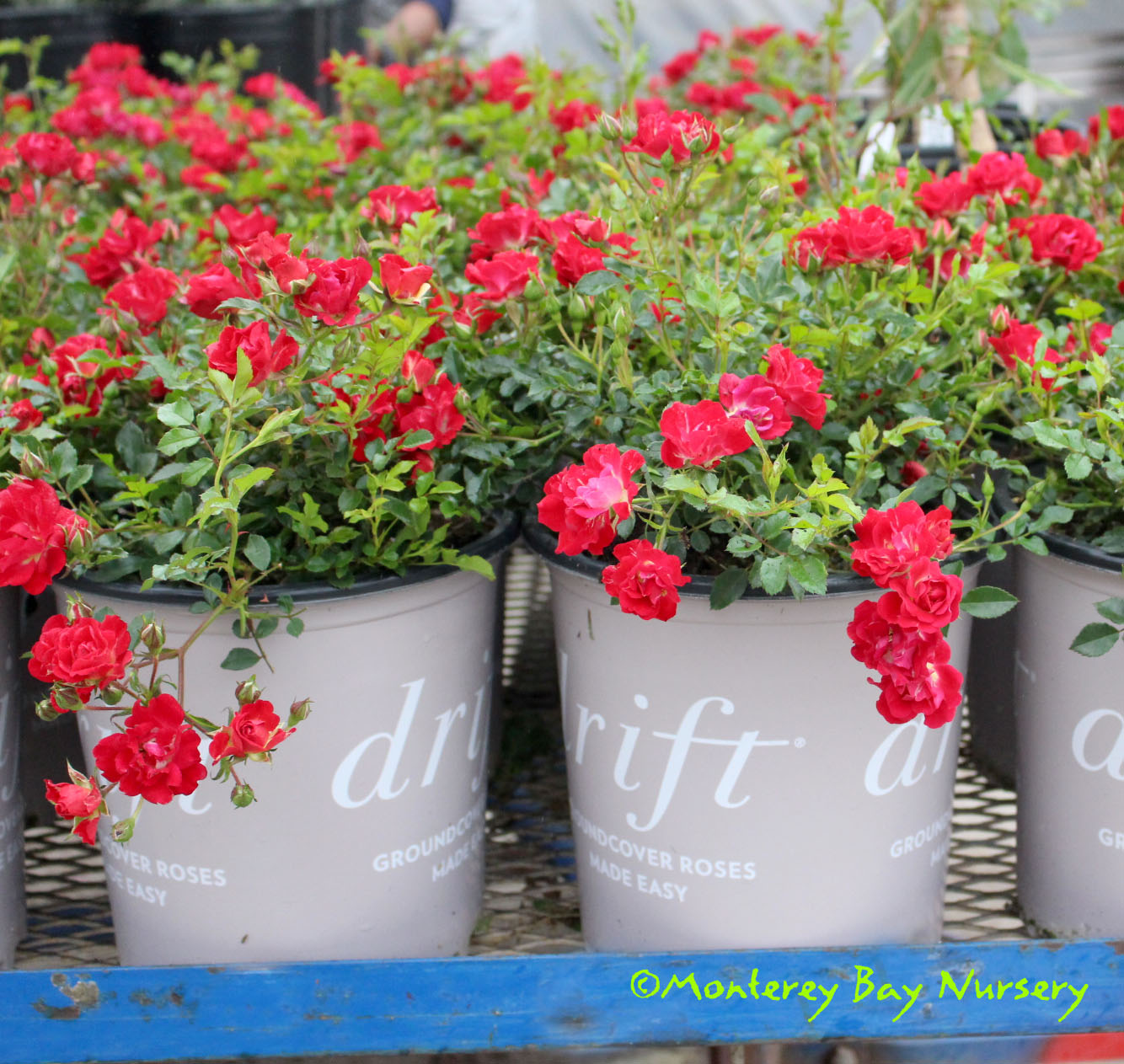
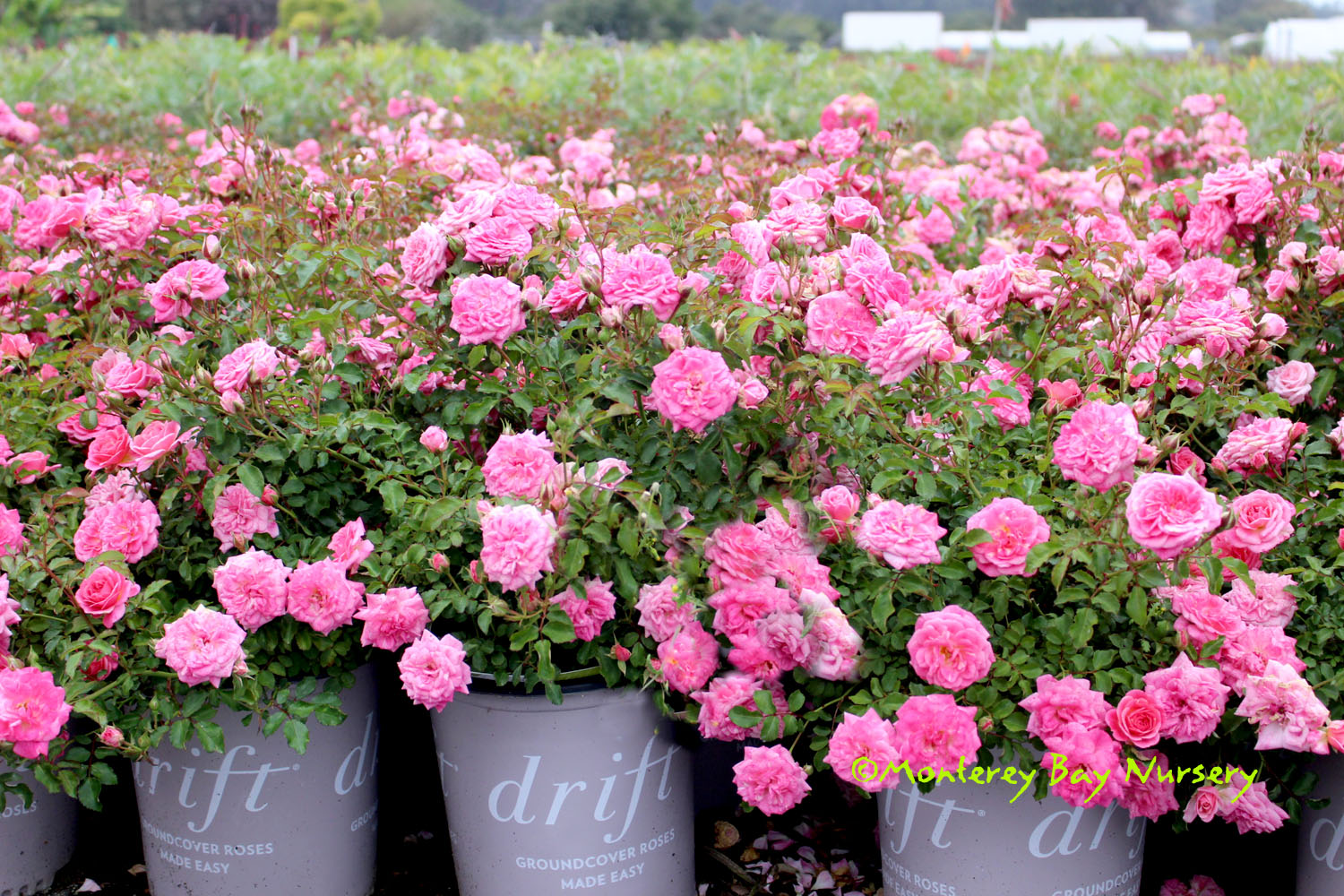
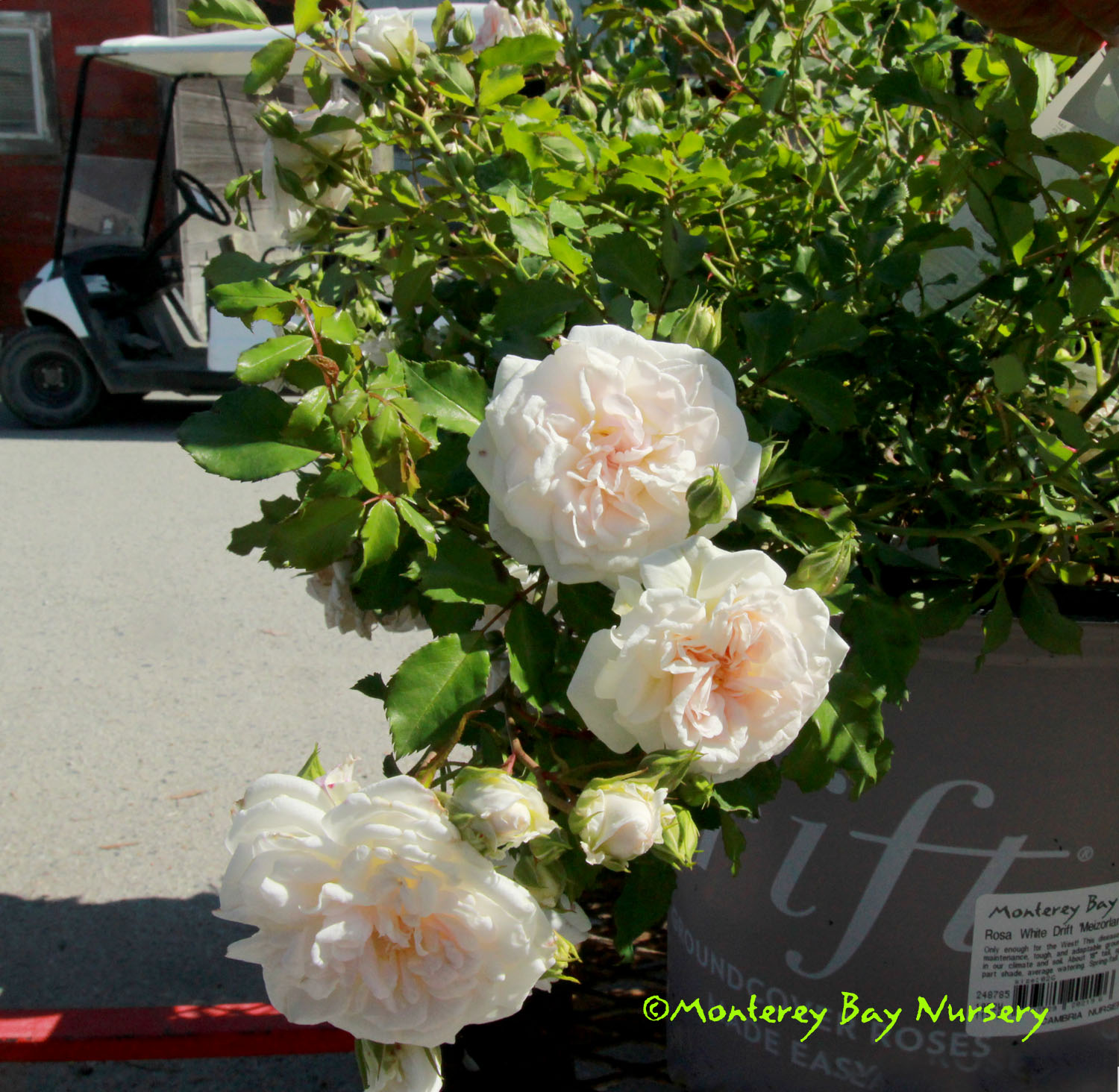
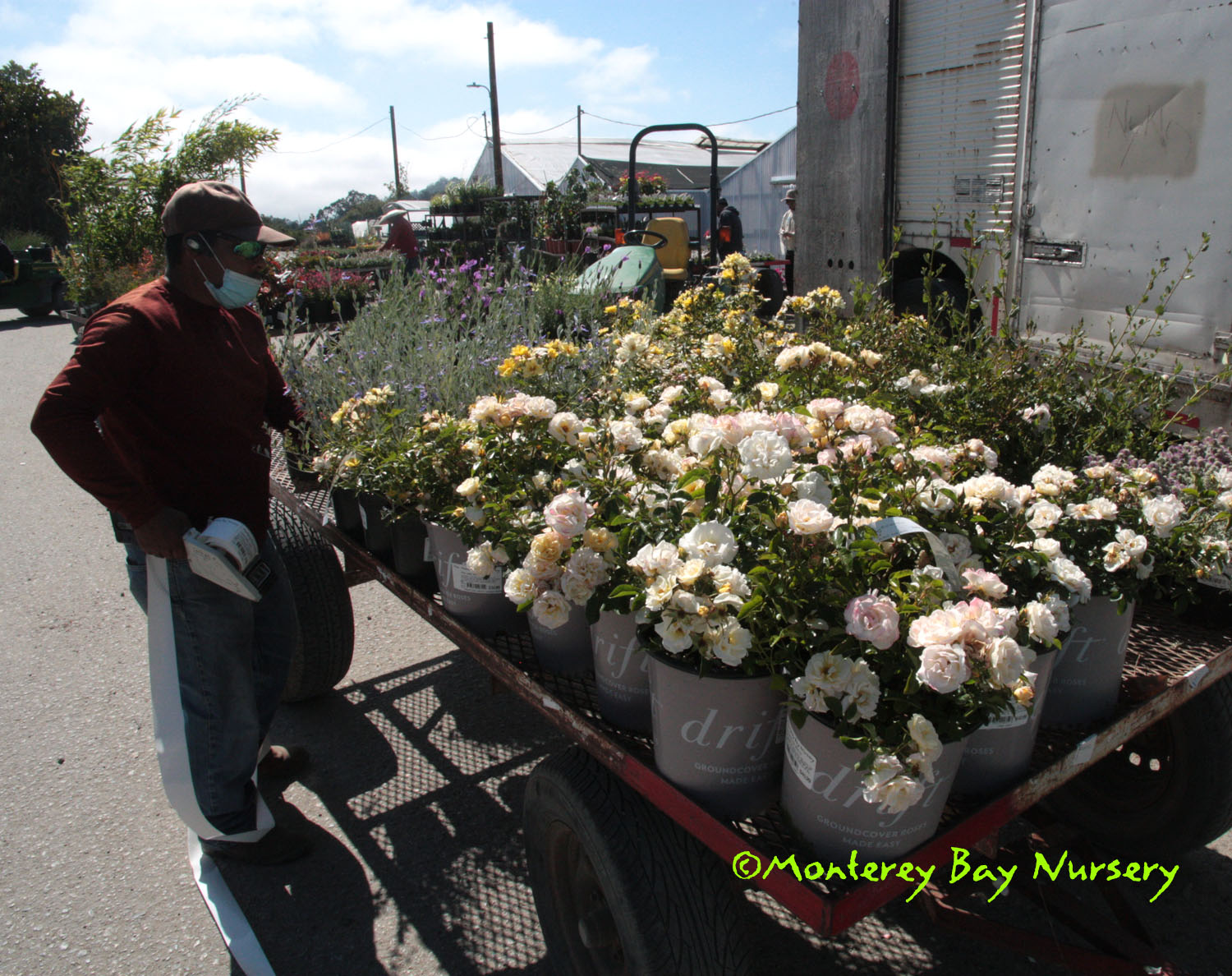
'Drift' series Apricot Coral Lemon Pink Red Red Sweet White White low growing landscape groundcover varieties, with continuous bloom during the growing season. Glossy, very dark green, disease-resistant foliage with large doubled flowers. rev 5/2021
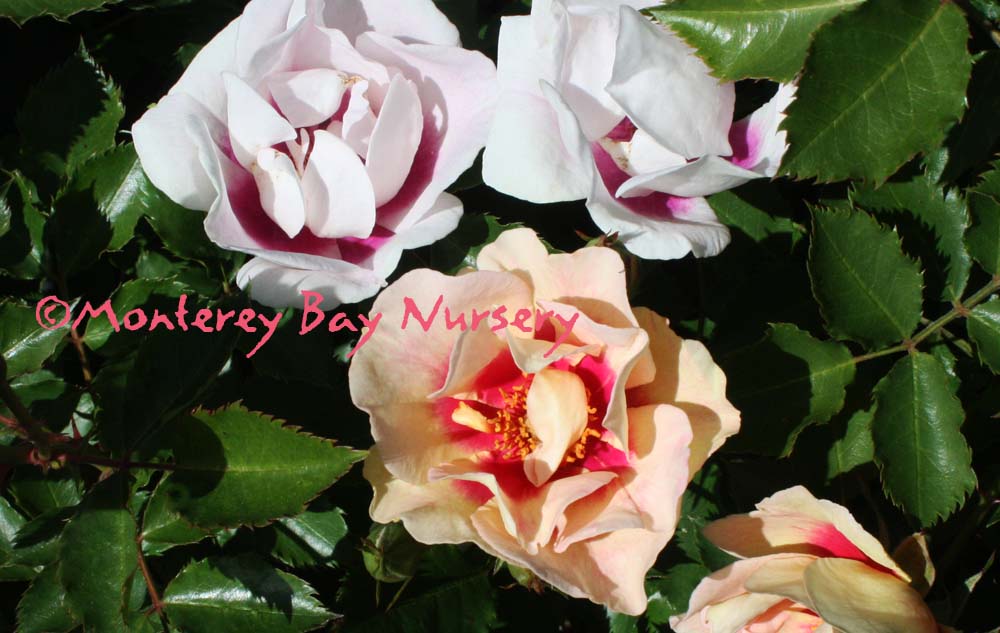
'Eyeconic Melon Lemondade' (not currently in production) the eye one of the results of many years of hybridizing with the Hulthemia (Rosa persica), a thorny, weed from Afganistan that has a dark red eye. These dark, rich, pastel pink and orange, wavy petals open to a show such an eye.And it gives many opportunities to do so, blooming all season. Shiny dark green leaves are practically disease free in our western states. Grows 4' tall and 3' wide, making a beautiful hedge. rev 5/2013
'Fired Up' (not currently in production) smokin' only the really hot colors here! Red, yellow, and orange semi-double flowers that won't fade in the sun. A reblooming floribunda with dark green, glossy leaves growing 3-4' tall and wide. rev 4/2014-Suzy Brooks
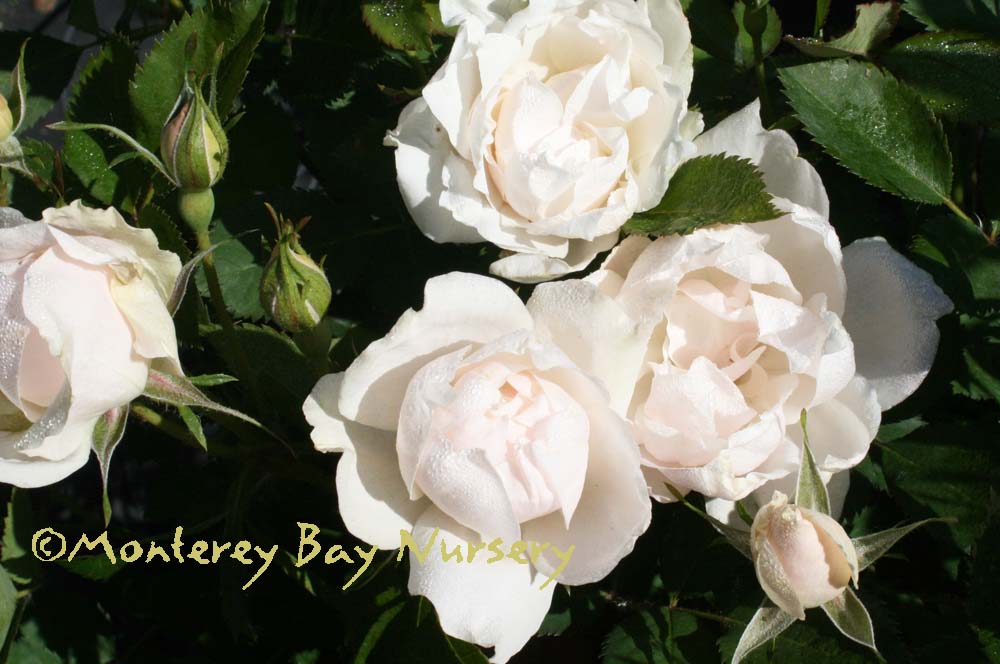
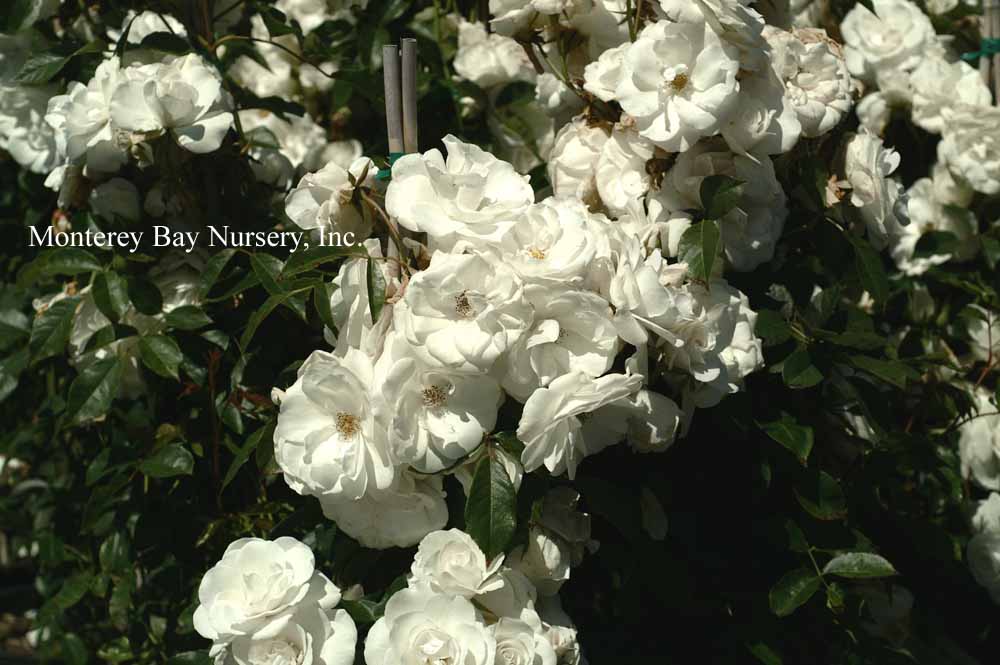
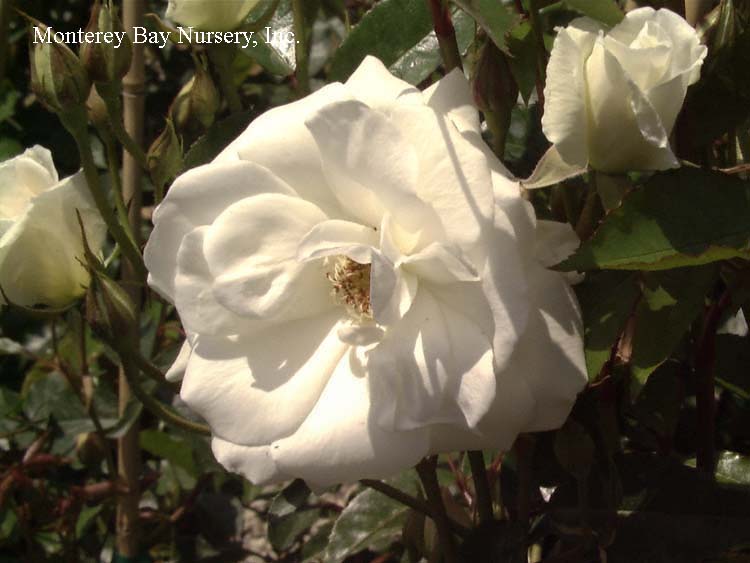
‘Iceberg’ (not currently in production) why you plant it Floribunda. Possibly still the best white rose of any class. Excellent flowers, excellent vigor, and excellent disease resistance. Continuous growing season bloom. Just an outstanding plant all around. rev 8/2020
'Icecap' (not currently in production) pure white disease resistant, dark green foliage and continuous bloom of pure white flowers make a carefree hedge or low maintenance garden accent. About 30-36" tall and wide. rev 4/2015-Suzy Brooks
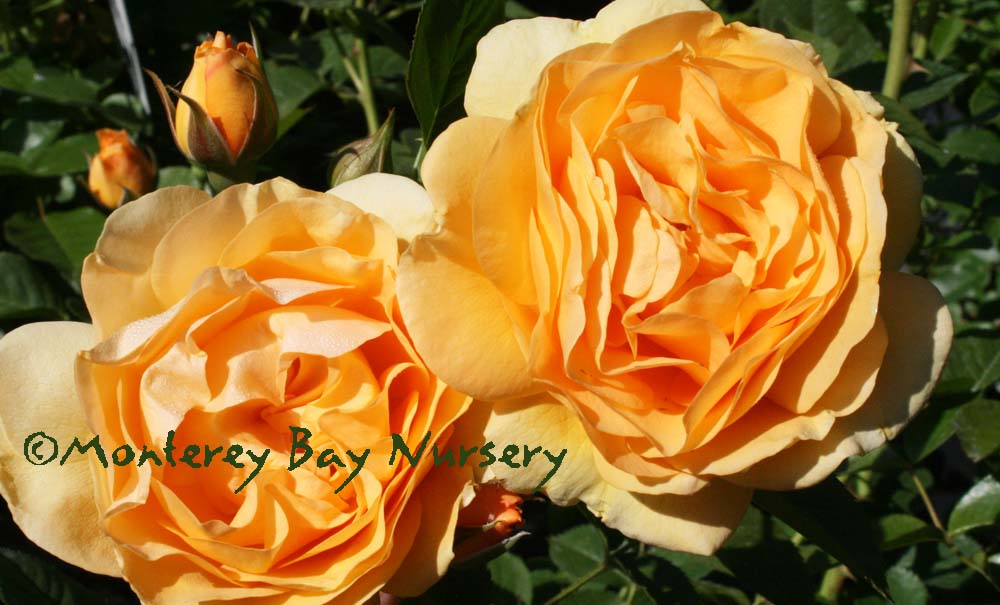
'Julia Child' (not currently in production) gorgeous reblooming, scented, buttery gold flowers on disease resistant, dark glossy leaves. About 3' tall, wide and on its own roots. A perfect rose, just as sparkly as its namesake. rev 4/2015-Suzy Brooks
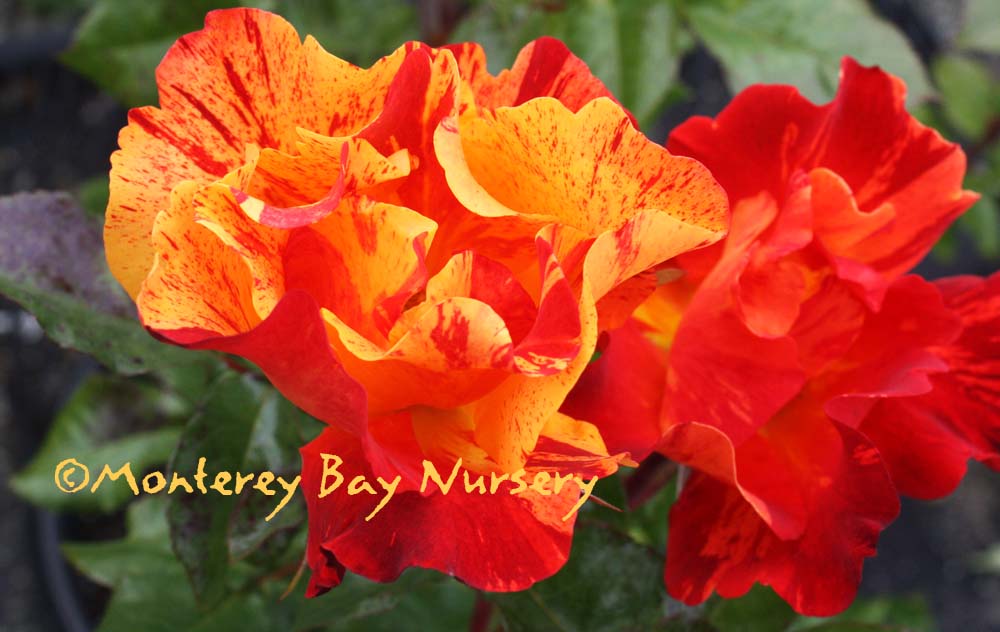
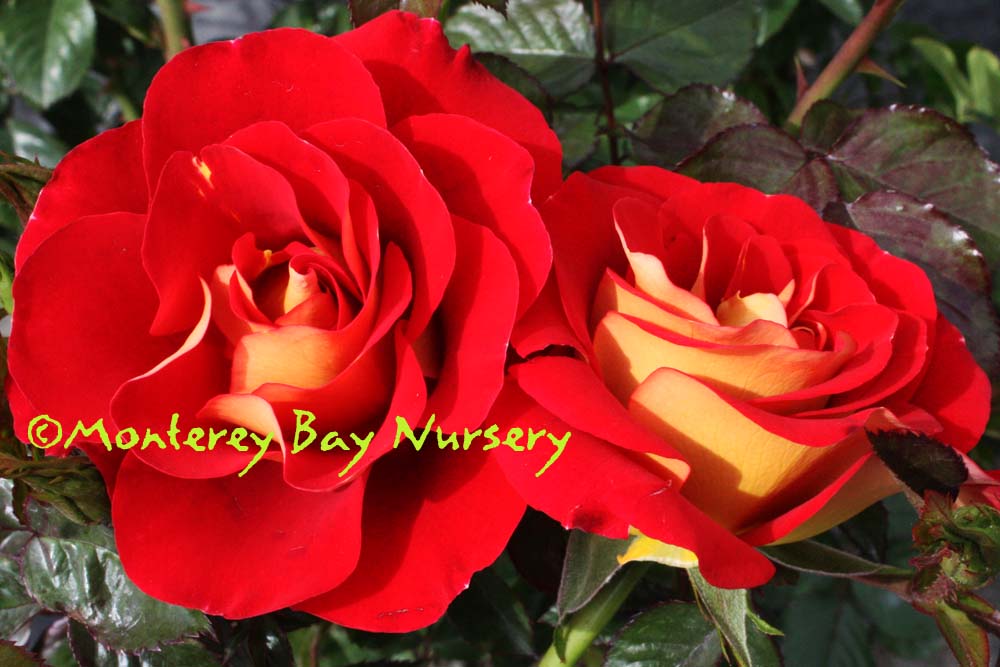
'Ketchup and Mustard' intense a bold new floribunda for 2012, dark red petals with a golden yellow reverse and shiny green leaves! 3-4' tall and wide, for hedges, borders, or containers. Mild fragrance, nearly thornless. rev 4/2012-Suzy Brooks
'Livin' Easy' deep, glowing orange apricot-orange colored flowers come with a fruity fragrance, disease resistance, and bearing the AARS winner designation from 1996. An easy-care floribunda, to 4-5' tall and wide. rev 4/2015-Suzy Brooks
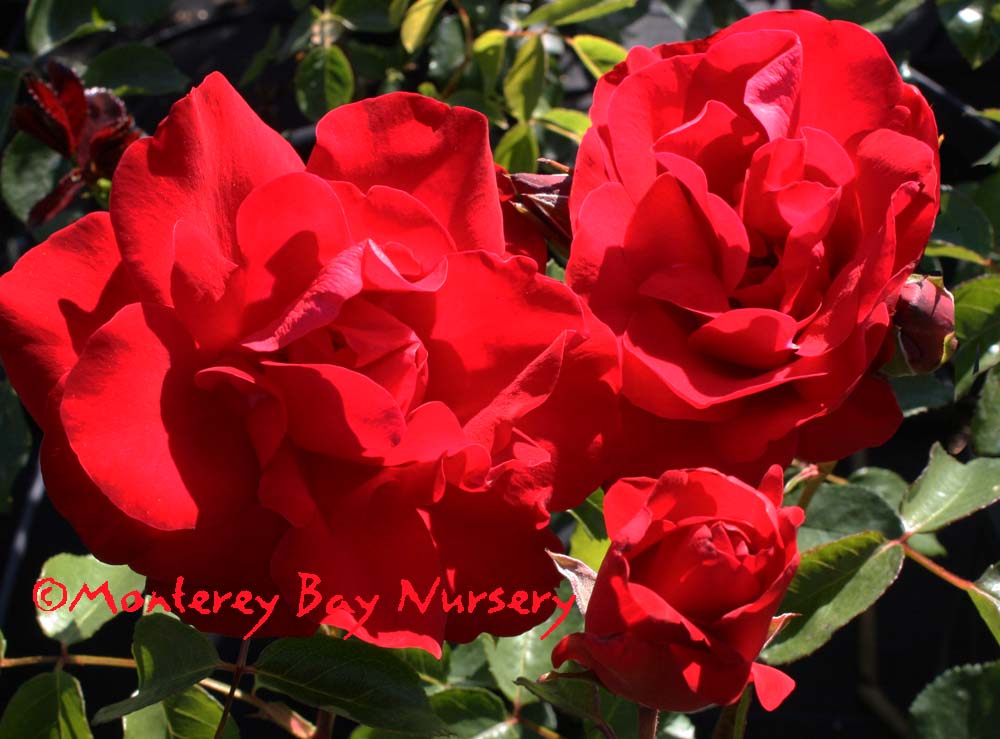
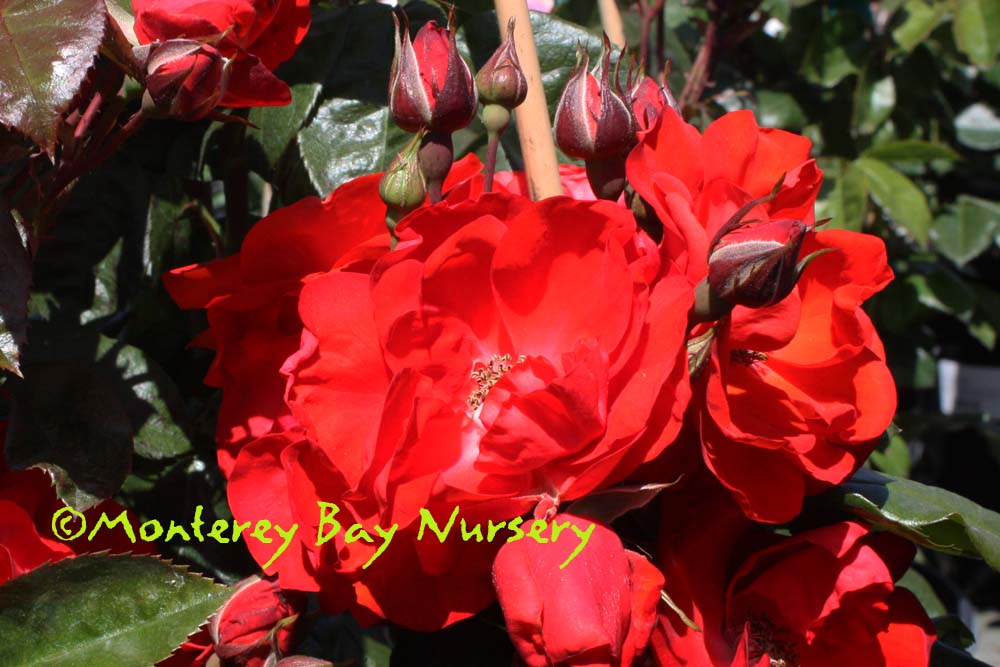
'Orange Crush' (not currently in production) blinding color a double orange red flower that holds its color in the heat and blooms all season. Glossy dark green leaves, reaches 12-15' tall. Nice against an light stucco wall. Get crazy with a purple clematis growing through it. rev 5/2012-Suzy Brooks
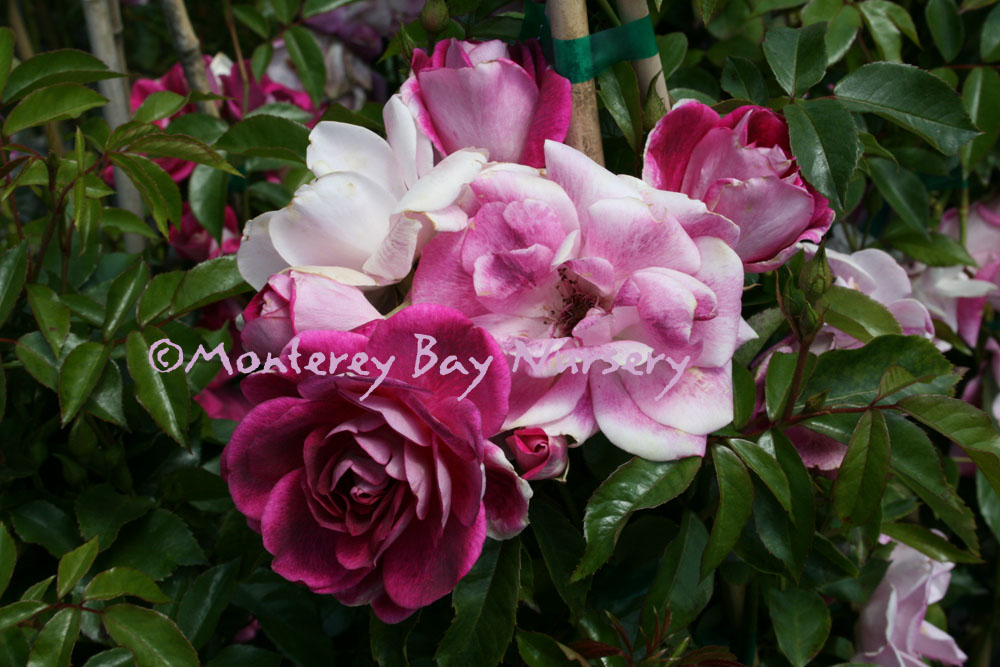
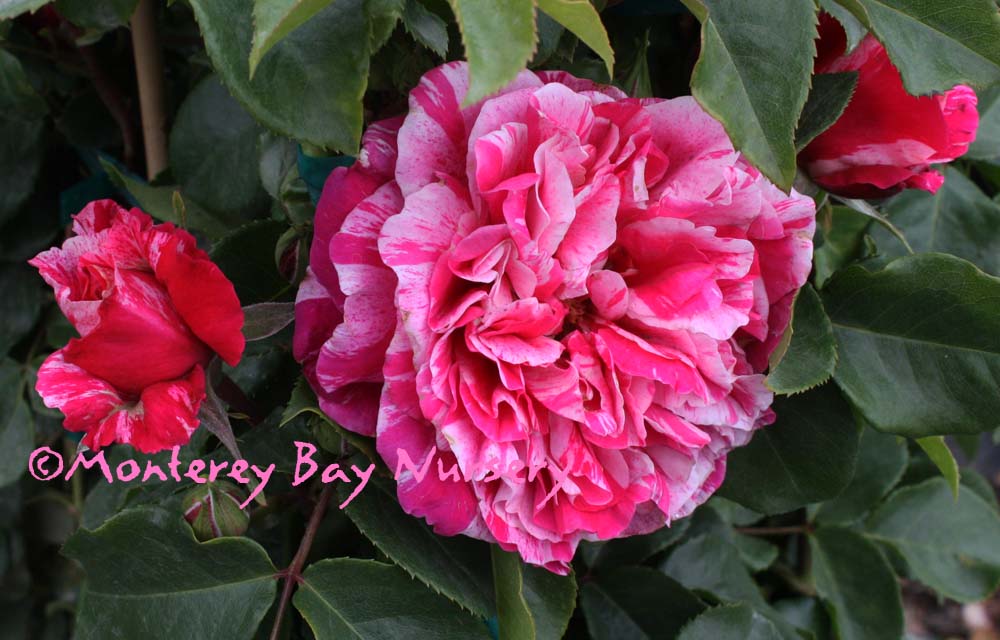
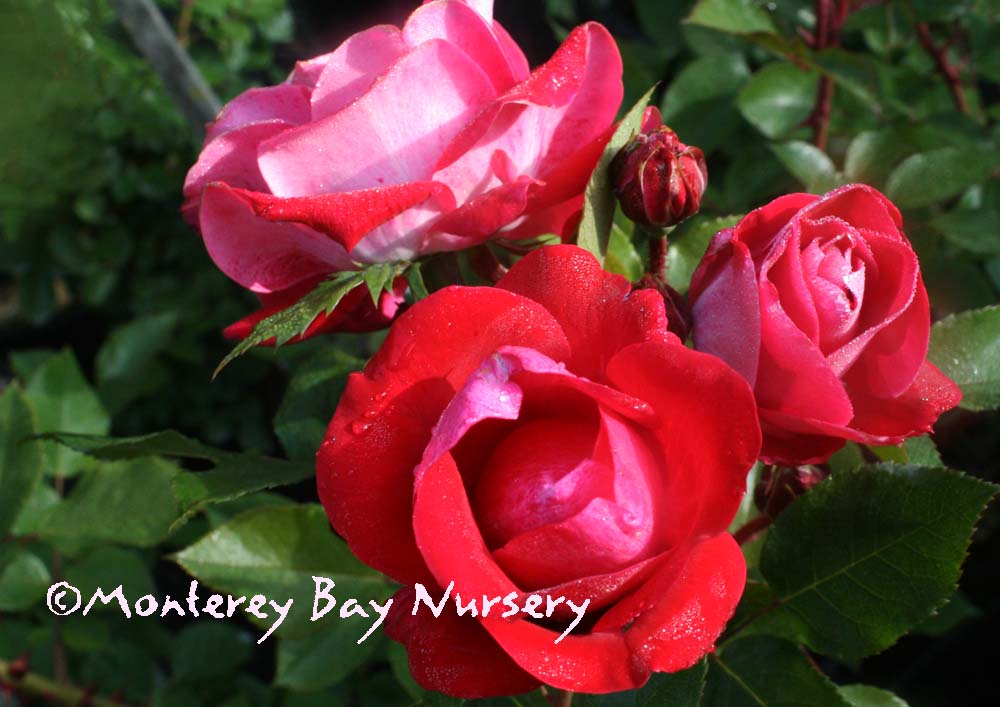
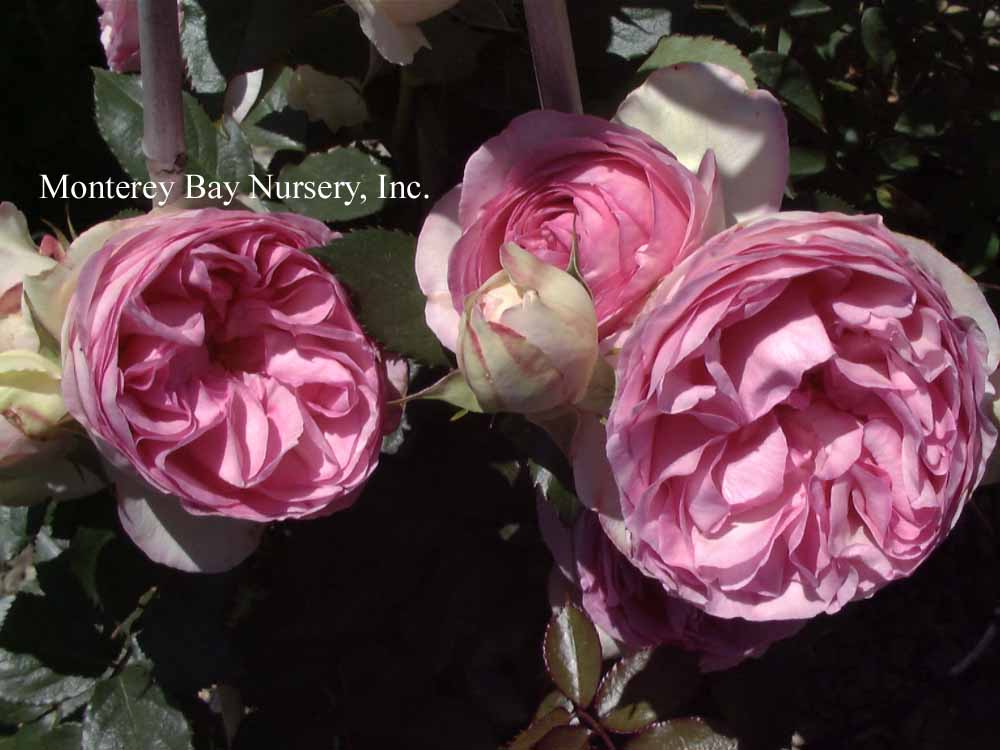
'Raspberry Cream Twirl' PP22,470 (not currently in production) twirling raspberry and cream gorgeous deep pink flowers with streaks of light pink and white look very much like and Austin type, with nested petals. And they're big, up to 3 1/2" across. Shows over a hundred petals on the plentiful and continuous flowers, with some light fragrance of apple. A vigorous plant with glossy, dark green leaves and great disease resistance, growing to 10-12' tall. rev 5/2013-Suzy Brooks
'Take It Easy' (not currently in production) take-it-hard-on-your-eyes red velvety red flowers with a pink reverse on rich, dark green leaves on this shrub rose. Low maintenance bloomer can line a driveway or a path, accent a garden, or grow in containers. About 3' tall and wide. rev 4/2015-Suzy Brooks
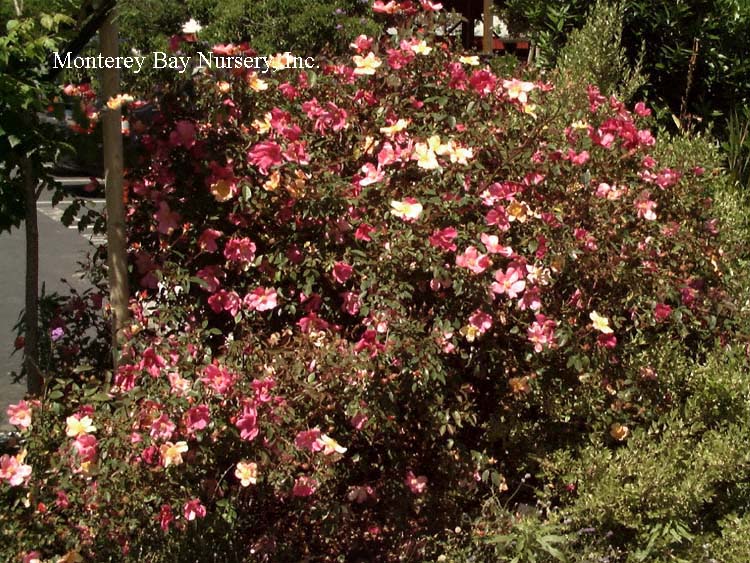
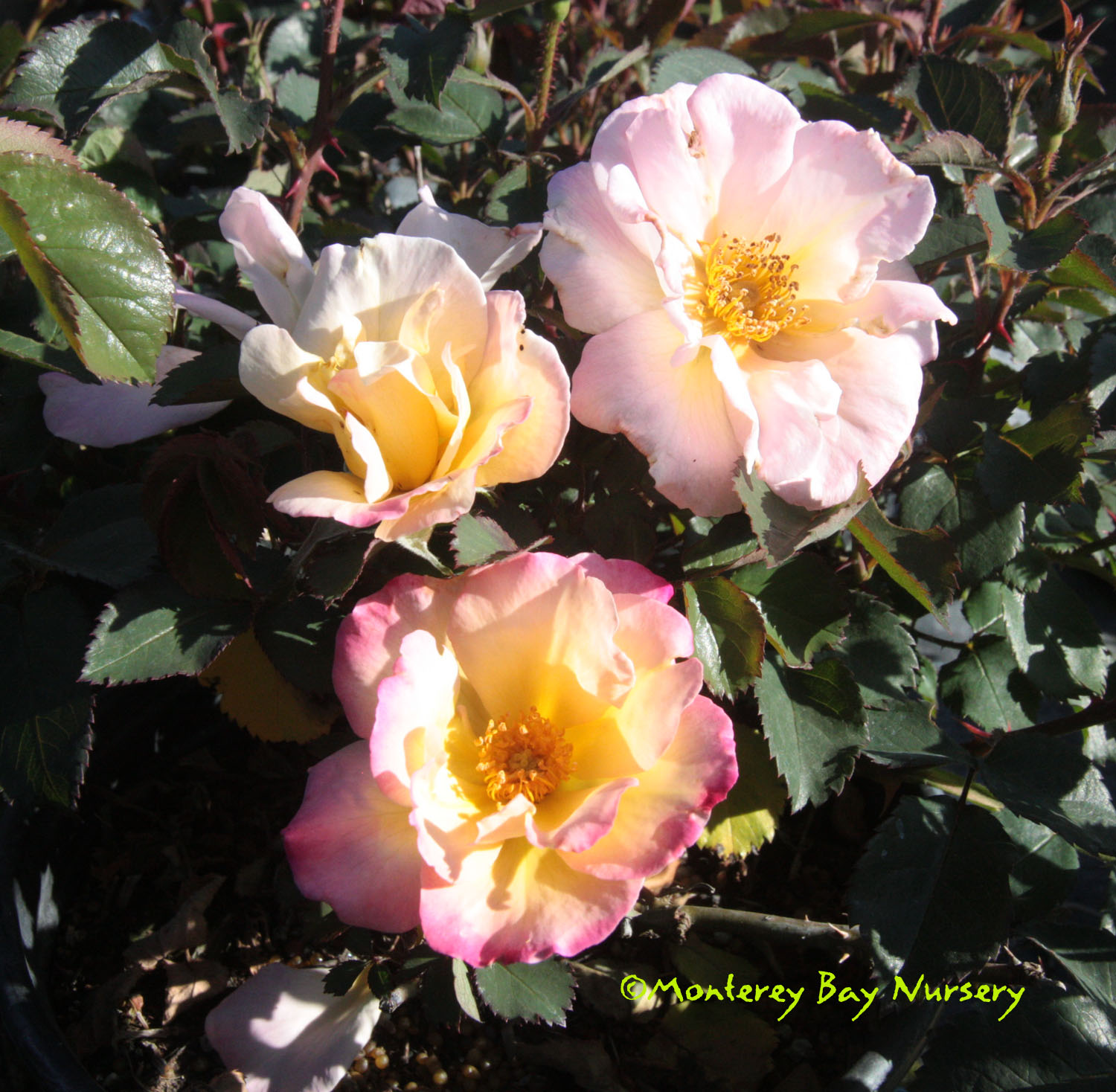
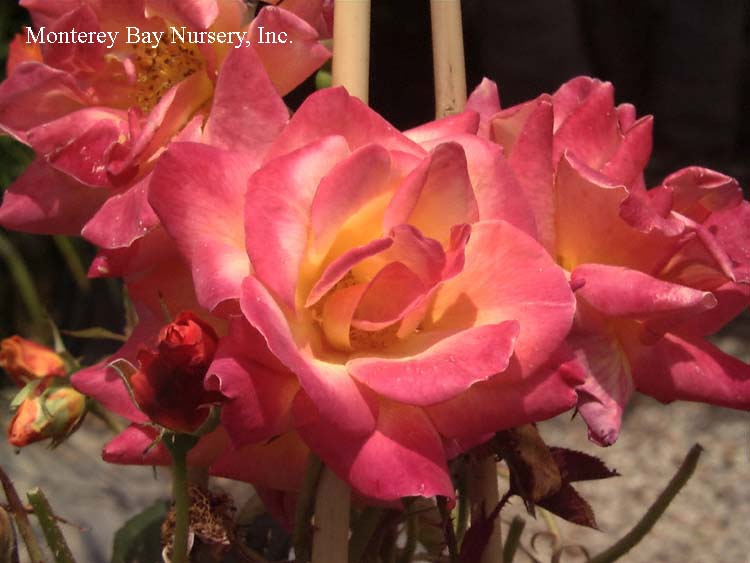
'Watercolors Home Run' new and old a compact shrub rose to 3-4' that bears 3" flowers deep, dark rose pink with light creamy yellow centers, maturing to light almost clear pink with strong yellow anthers. Seedless, meaning extra bloom power, bears on any seasonally-mature growth that experiences modest morning chill. This variety is also almost disease free, it should be one of your very best, least troublesome varieties. Light to moderate cinnamon-rose fragrance. Hardy to USDA zone 4. rev 4/2021
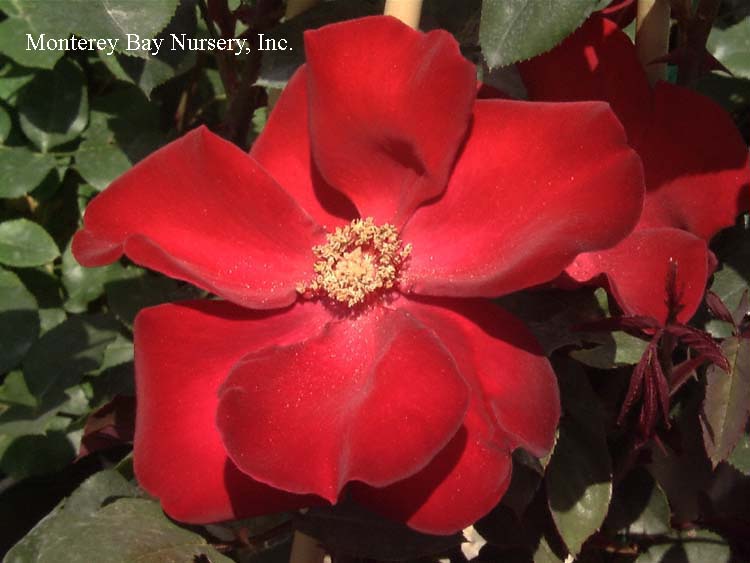
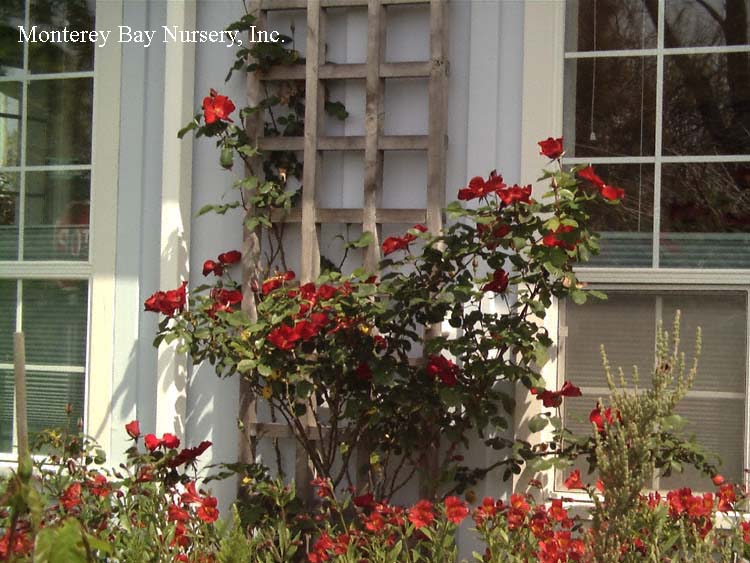
Cl. 'Altissimo’ (not currently in production) flowers against a house velvety, brilliant single red flowers, with slightly lighter centers, held against glossy green foliage. A vigorous and heavy blooming climber. rev 8/2020
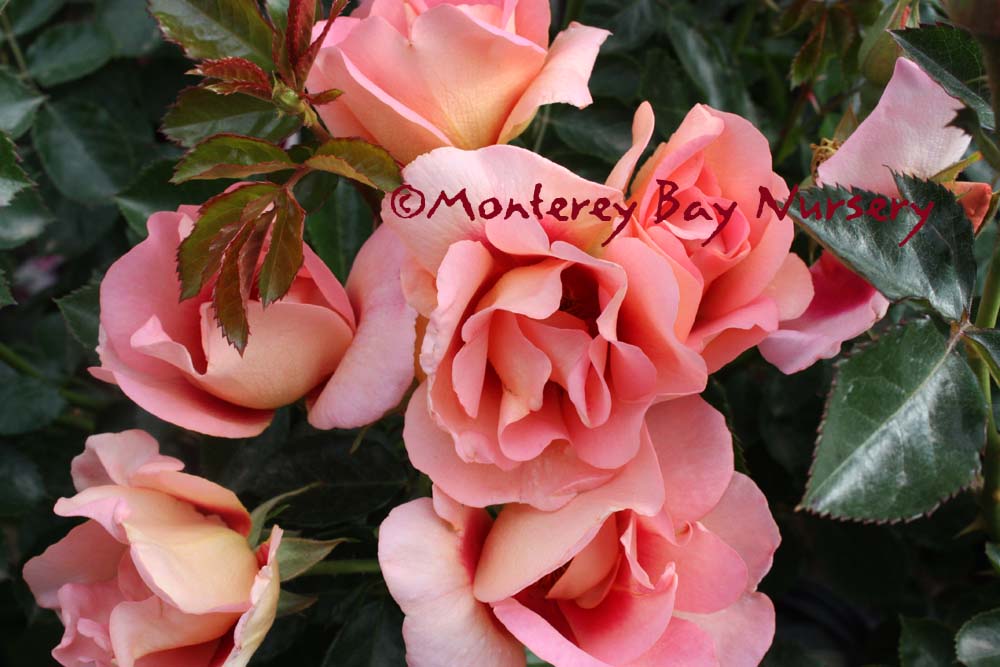
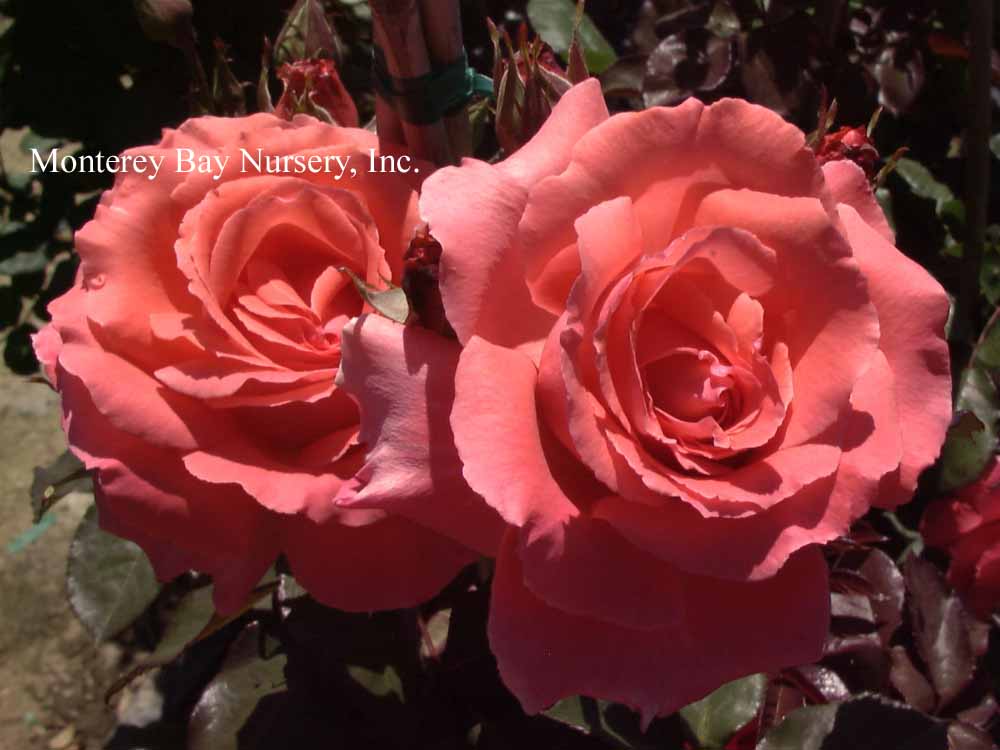
Cl. 'America’ (not currently in production) closeup large, fully double, pure coral pink flowers appear late in spring. Blooms on old and new wood. Has a strong, spicy fragrance. rev 8/2020
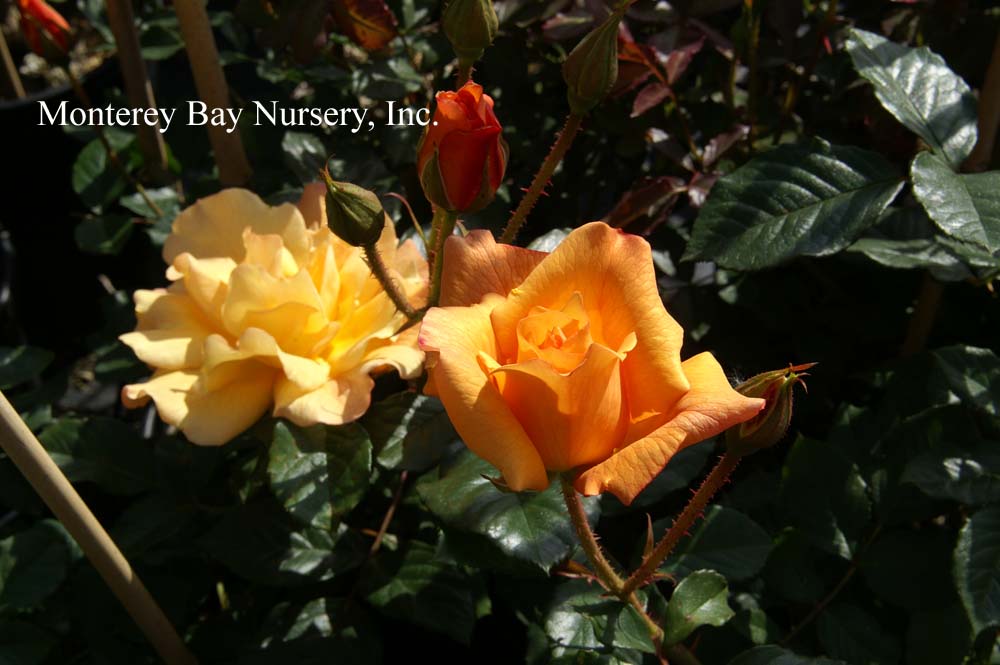
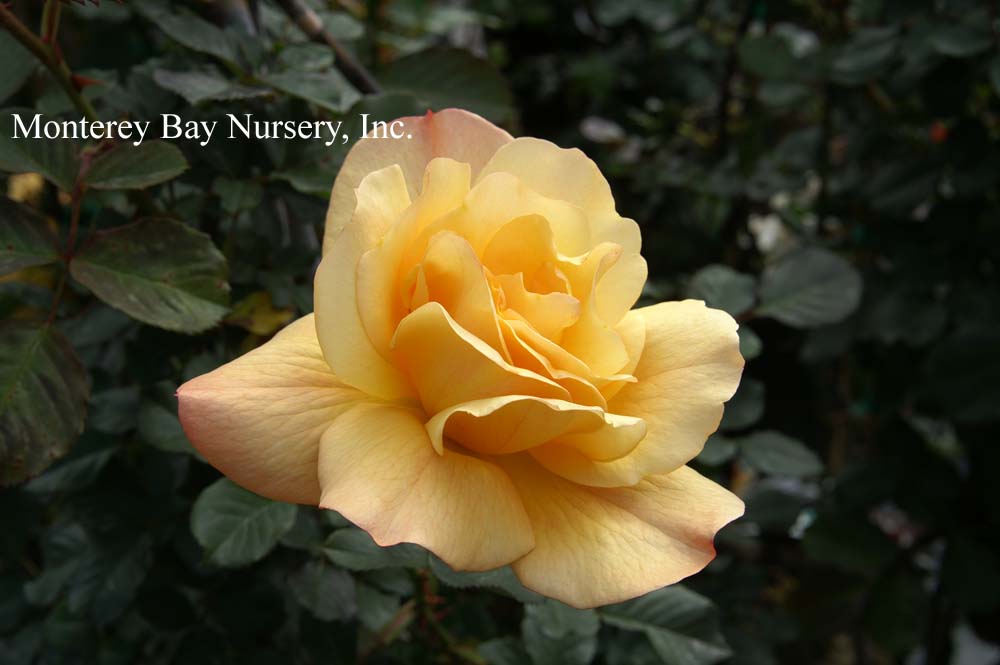
Cl. 'Autumn Sunset’ (not currently in production) single large flower a scrambling climber to 8-12', with large, double warm apricot gold flowers held on shiny green, very disease resistant (especially black spot) foliage. Strong fruity fragrance, good vigor, free bloomer that starts the first year and produces flowers from old and new wood. Best color in cooler weather or locations. “Unbeatable.” rev 8/2020
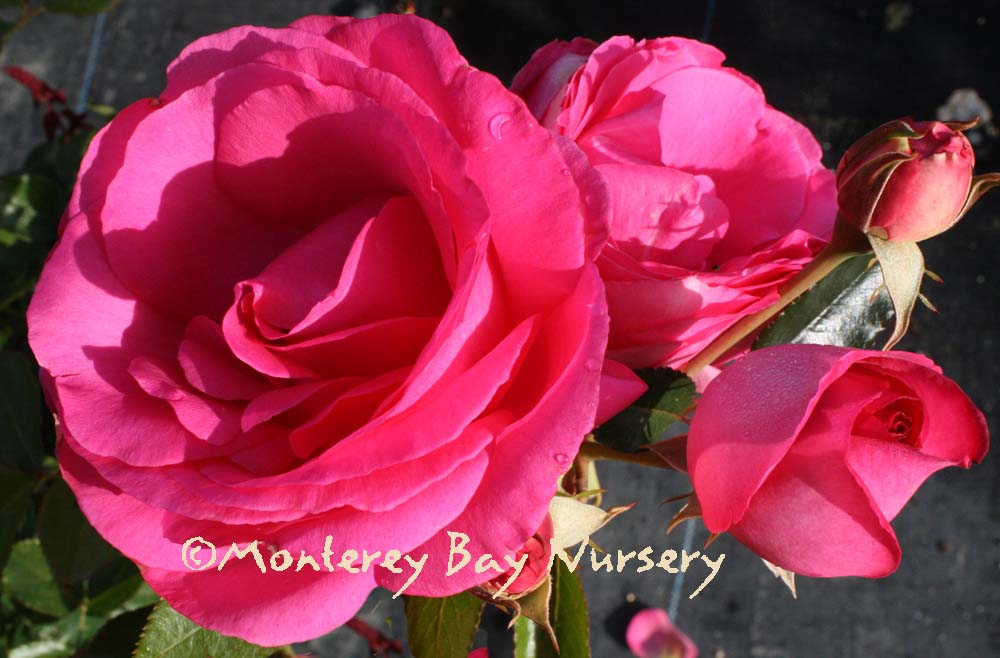
Cl. 'Brilliant Pink Iceberg' (not currently in production) just as awesome as the best white rose on the planet, a fantastic repeat bloomer, excellent disease resistance, vigor, gloss, shape, you name it, but with flowers a deep clear pink. rev 5/2006
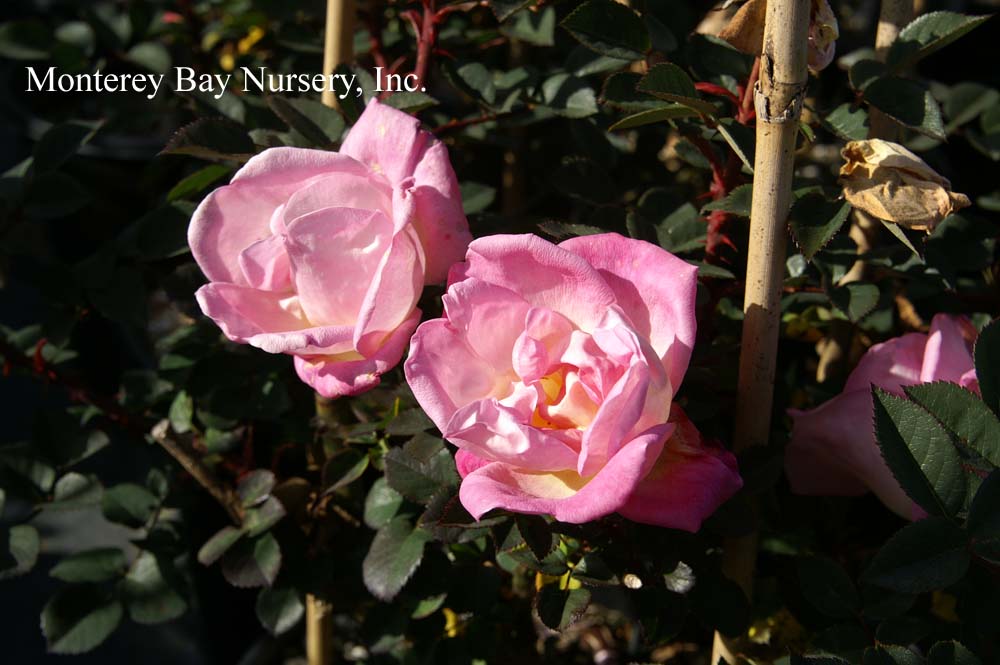
Cl. 'Brite Eyes' (not currently in production) blooming said to be highly disease resistant, to black spot in particular, and a particularly troublefree climbing/pillar rose. A compact grower to 8', prolific single flowers are almost clear pink with just a touch of salmon, lighter centers, a moderate fragrance, and a great repeat bloomer. rev 5/2006
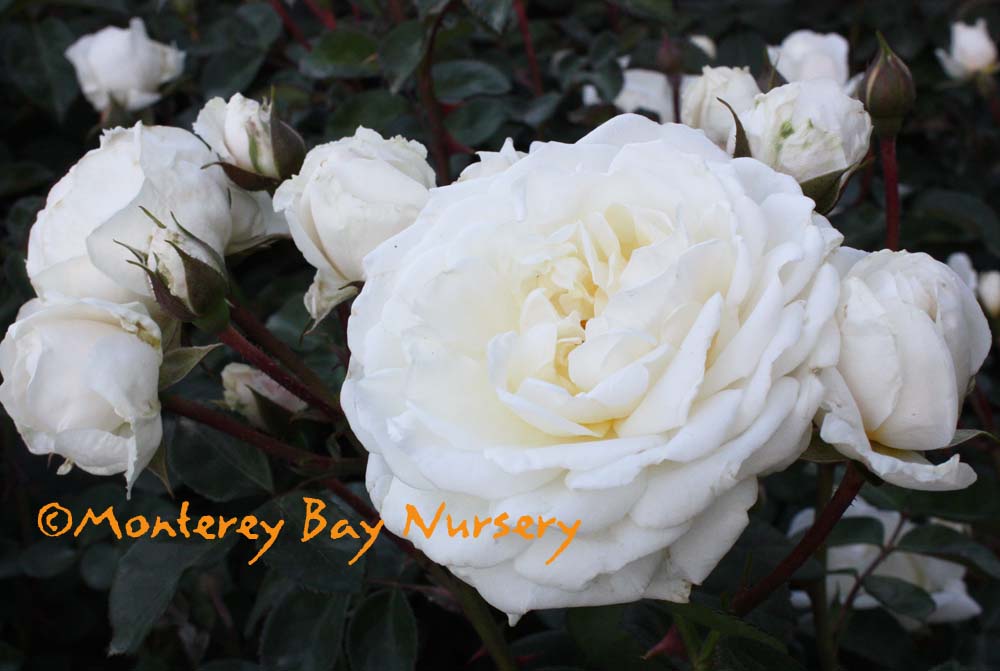
Cl. 'Cloud 10' (not currently in production) get offa my cloud! pure white, double flowers unfold from large buds for a brilliant show against dark green foliage and dark maroon stems on this climber. Not a huge one, 7-8' tall, enough to grow a clematis through it. Big bloom in spring and continues into fall. Fully resistant to black spot and good resistance to rust and mildew too. rev 4/2013-Suzy Brooks
Cl. Eden® (not currently in production) blooming rolled, very double pastel pink flowers have very pale outer petals. A fast, vigorous grower with great foliage, a light fragrance, and repeat bloom. rev 12/2018
Cl. 'Fourth of July’ (not currently in production) striped flowers the first climber to win an AARS award in 23 years. Medium pink single flowers to 4 1/2" are streaked with dark red, centers color to medium yellow with prominent yellow stamens. A real jamboree of color all spring and summer, with a slight fragrance. rev 8/2020
Cl. 'Iceberg’ (not currently in production) closeup older all of the qualities of ‘Iceberg’ in a climber. rev 8/2020
Cl. 'Joseph's Coat’ (not currently in production) closeup a swirl of colors; deep rose pink petals fade to lighter within, with a yellow center. Flowers age darker. rev 8/2020
Cl. 'Morning Magic' (not currently in production) shell pink from the same folks who brought us the Knockout roses comes this compact, disease resistant, constant bloomer of pale pink flowers. A climber, 6-8' tall. Good choice for a container and an obelisk with a dark clematis companion. USDA 5. rev 4/2015-Suzy Brooks
Cl. 'Polka’ (not currently in production) perfect blossom large, double, tawny apricot flowers fade to light peach. The wavy petals give the flowers a frilly appearance. Glossy, dark green disease free foliage forms the perfect backdrop for the flowers that appear through the growing season. Another Meilland rose. rev 8/2020
Cl. 'Pretty in Pink' Eden® PP20953 (not currently in production) hard-on-your-eyes pink more petals, more fragrance, more pink than 'Eden'! This climber goes to 10-12' and would be stunning going up a trellis with its large flowes nodding down. Add a clematis! rev 12/2018-Suzy Brooks
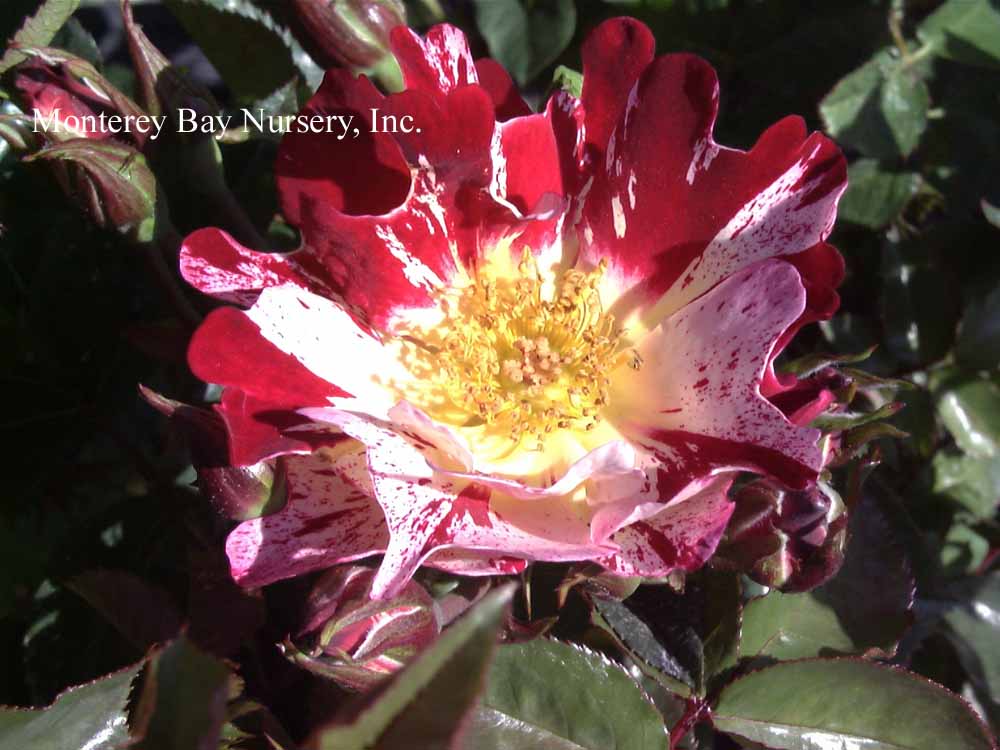
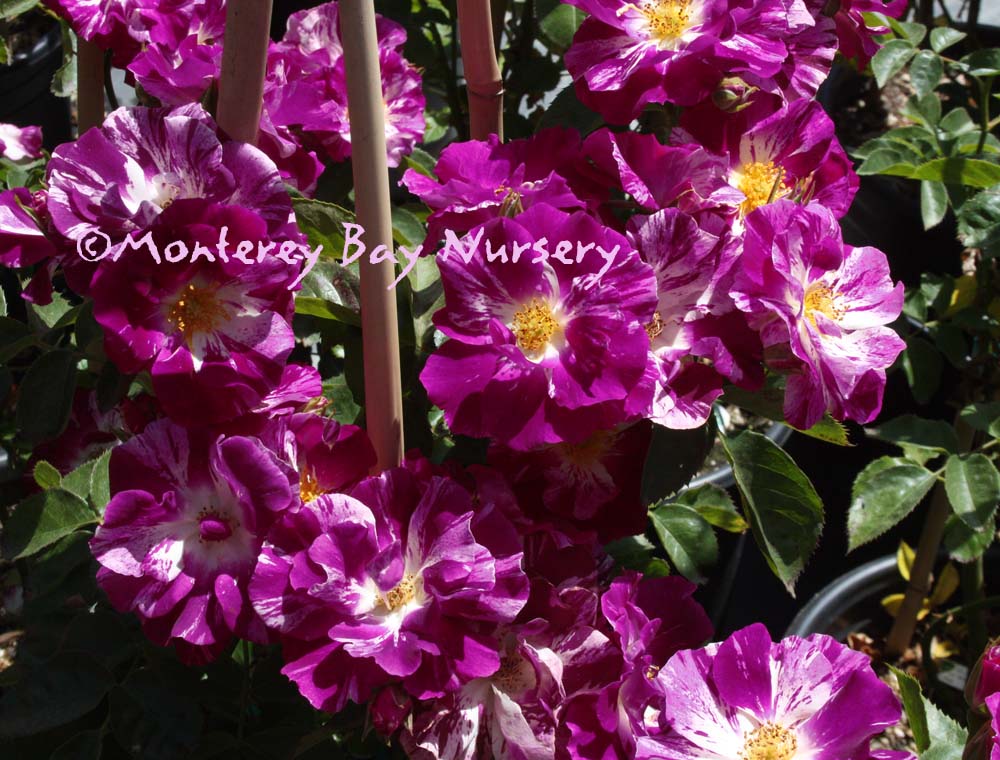
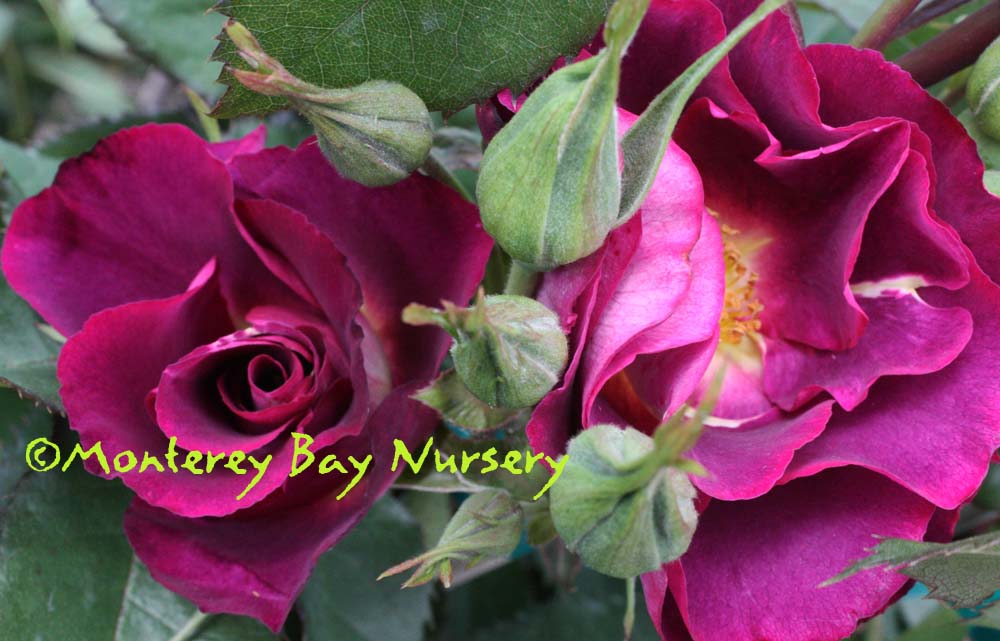
Cl. ' Purple Splash' (not currently in production) flowers a climber with fragrant flowers attractively and chaotically marked with radial streaks of dark violet purple against speckled white. Small yellow centers add to the package on this single rose to about 3-4" across, borne on broad panicles. Disease resistant, excellent rebloomer. rev 5/2011
Cl. 'Red' Eden® PP15052 (not currently in production) just like 'Eden,' as far as growth, foliage, etc., but with bright red flowers. Nested double petals, moderate fragrance. Looks very old fashioned! rev 12/2018
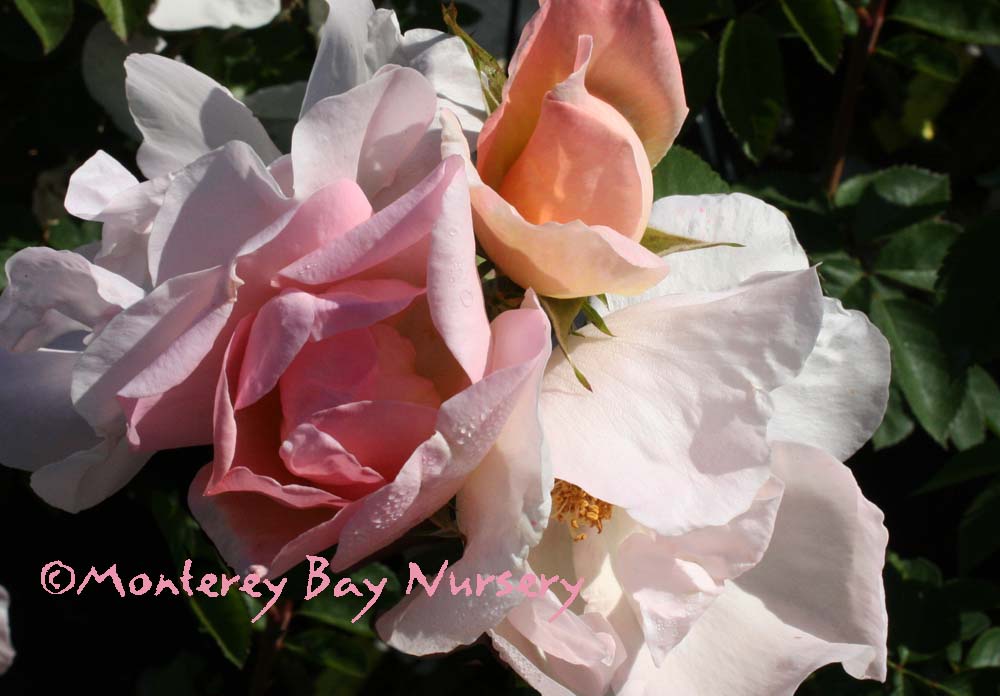
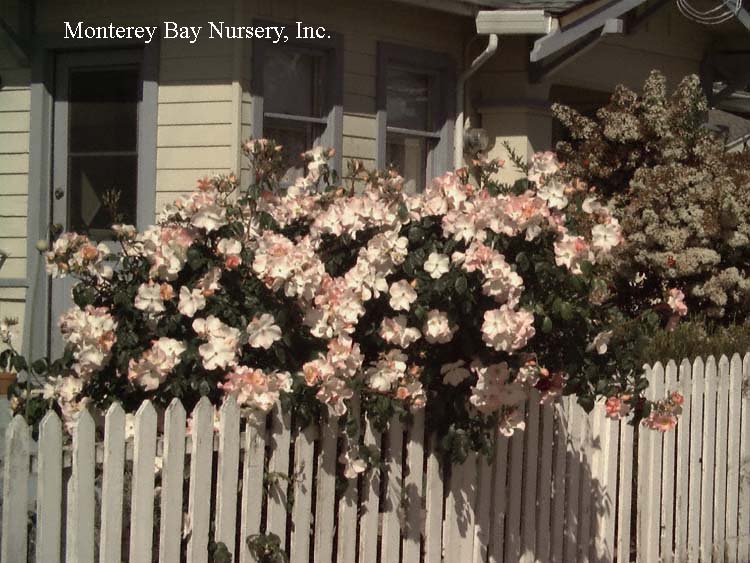
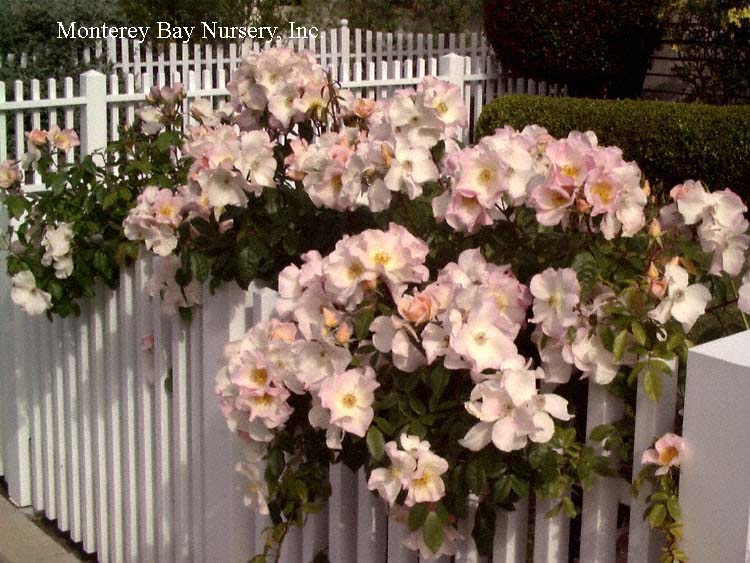
Cl. 'Sally Holmes’ (not currently in production) closeup nice plant why I like picket fences a vigorous shrub with strong-growing upright canes to 6’, often treated as a climber. Light apricot to salmon buds open to 4-5" wide, the single to semidouble flowers held in clusters, pale salmon to almost white with a center flushed warm light yellow. Leaves are glossy. Another R. ‘Ballerina’ hybrid, this wonderful bush completely hides its foliage with flowers during its blinding mid-spring display, then offers a few flowers later in the year. Old, easy, but still one of the most spectacular. rev 12/2003
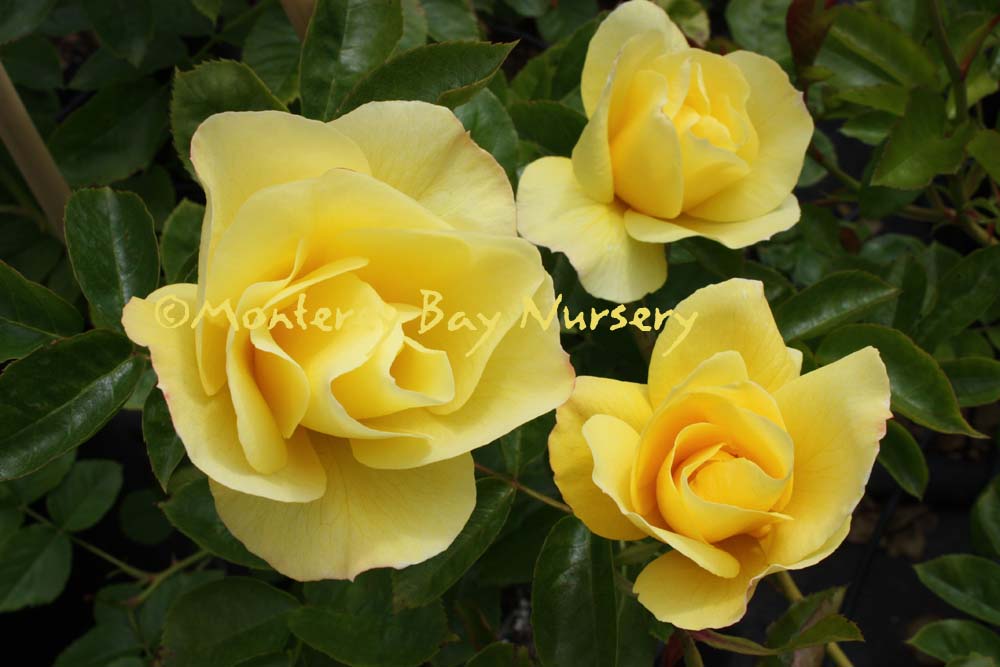
Cl. 'Smiley Face' (not currently in production) happy flowers a reblooming climber with beautiful, clear yellow flowers on disease resistant, dark green foliage. Has a slight spicy fragrance. Easy to combine with most any color of clematis. To about 12' tall. Sun, regular watering. rev 5/2011
Cl. 'Stormy Weather' (not currently in production) deep violet a climber, smoky purple flowers with a great spicy scent, bloom in clusters on stems that reach 8-10' tall. Wonderful support for a clematis of just about any color! rev 4/2012-Suzy Brooks
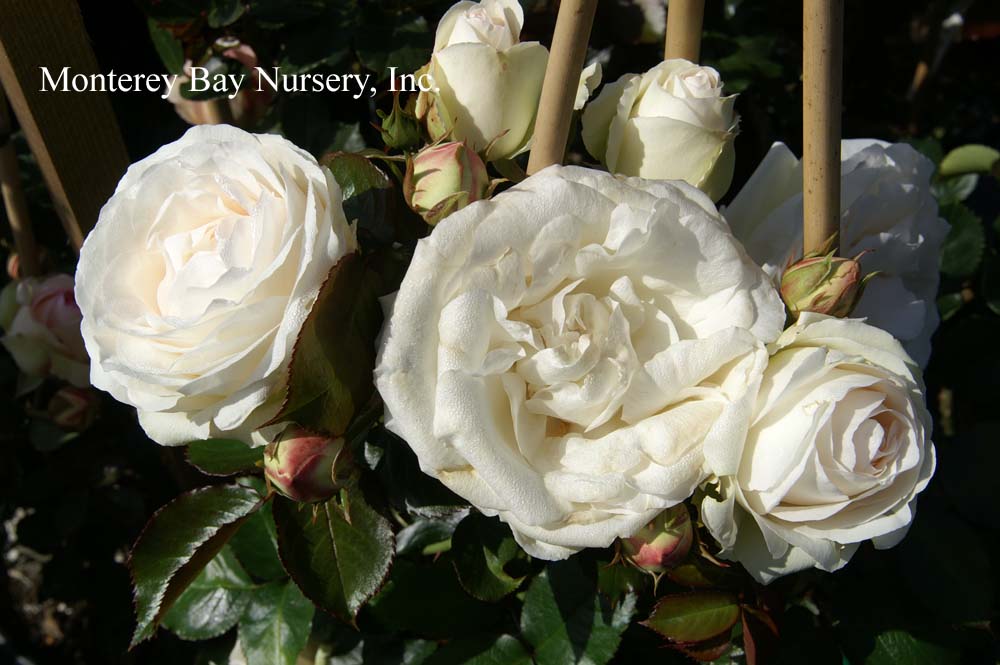
Cl. 'White' Eden® PP16739 (not currently in production) closeup creamy white aging to blush pink, so not a true, pure white but a variant of 'Eden' with all of that cultivar's
attributes with flowers shifted in color. rev 12/2018
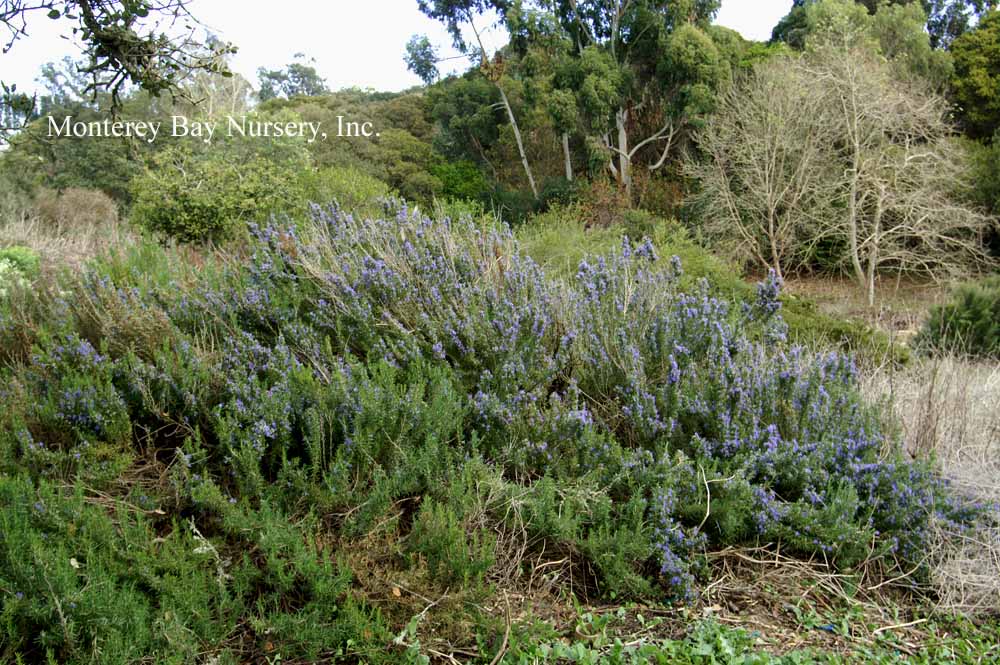
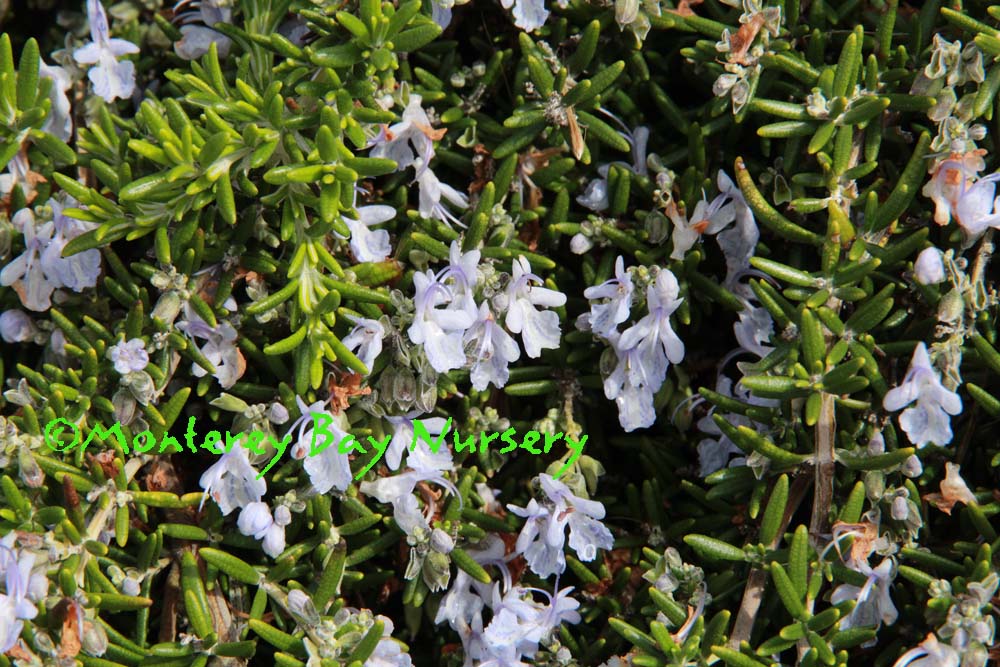
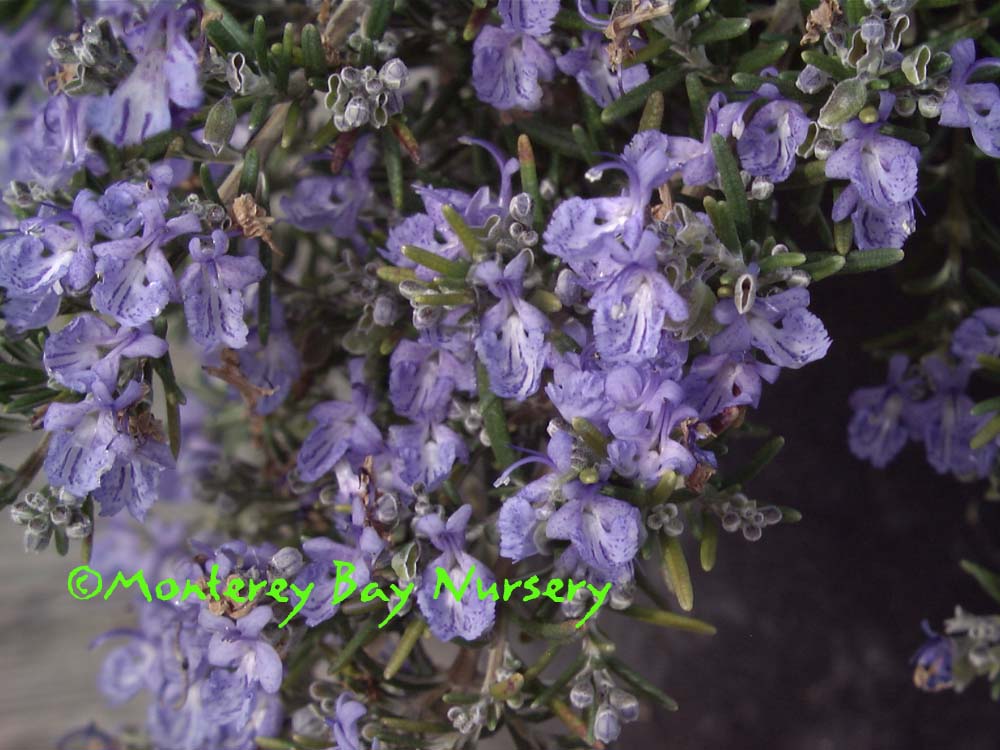
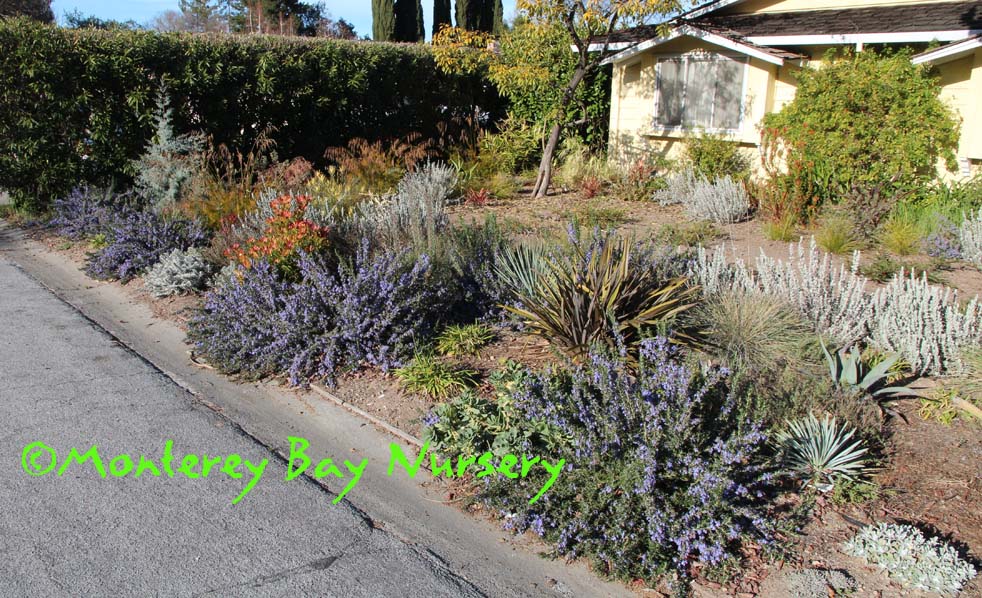
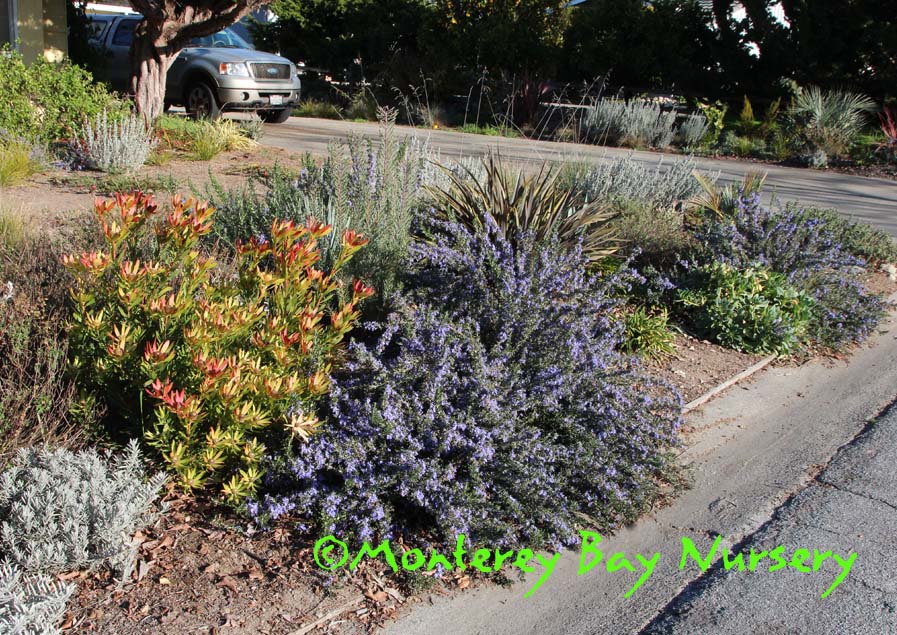
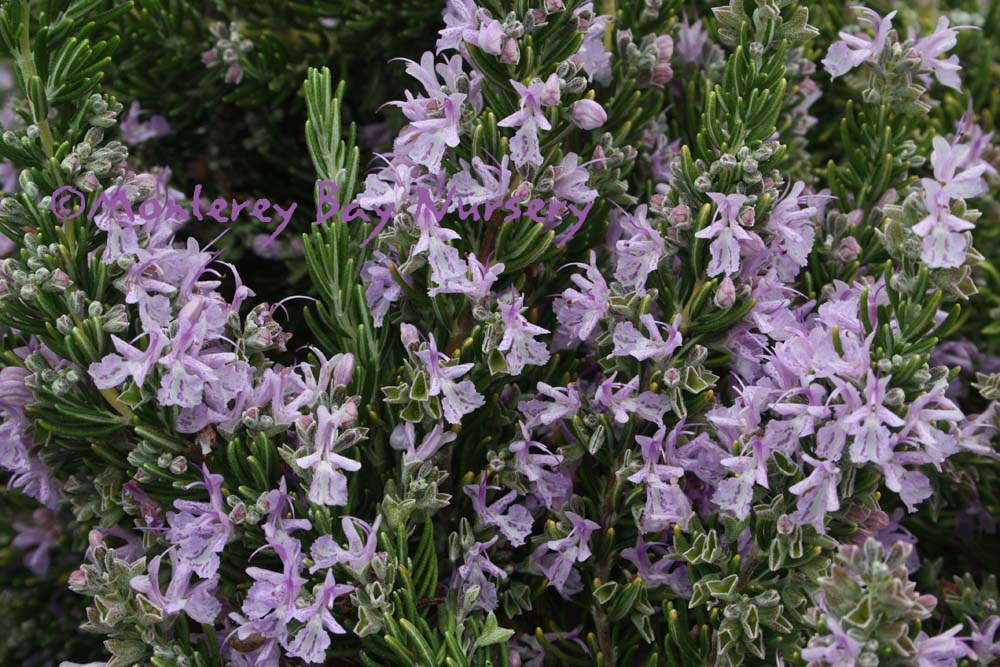
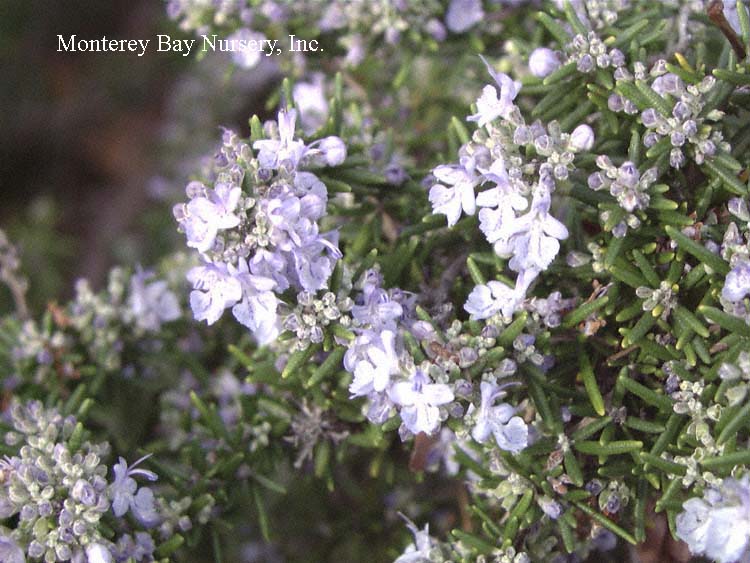
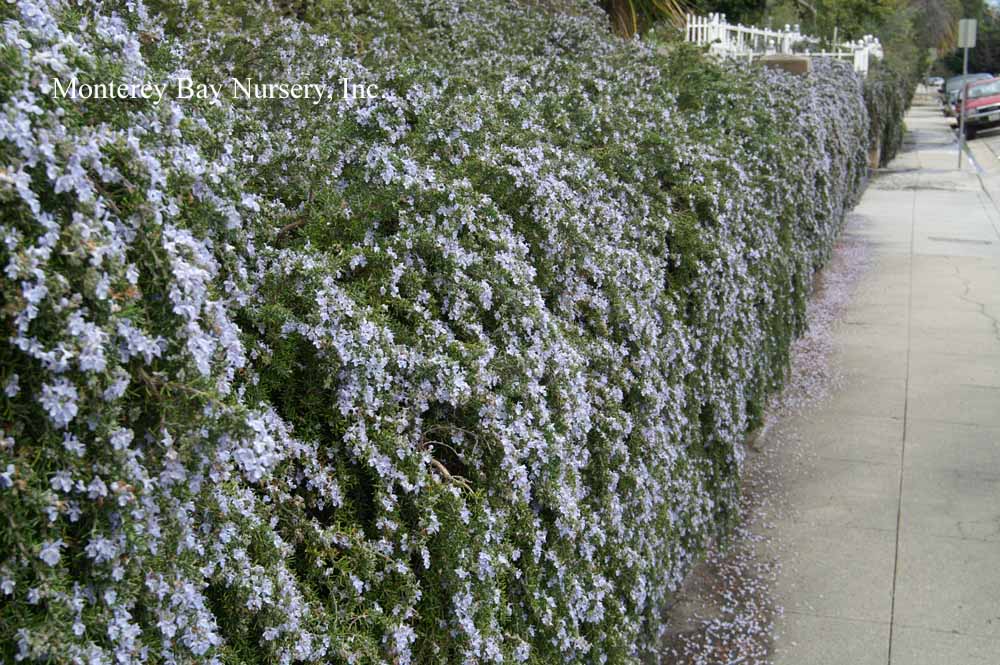
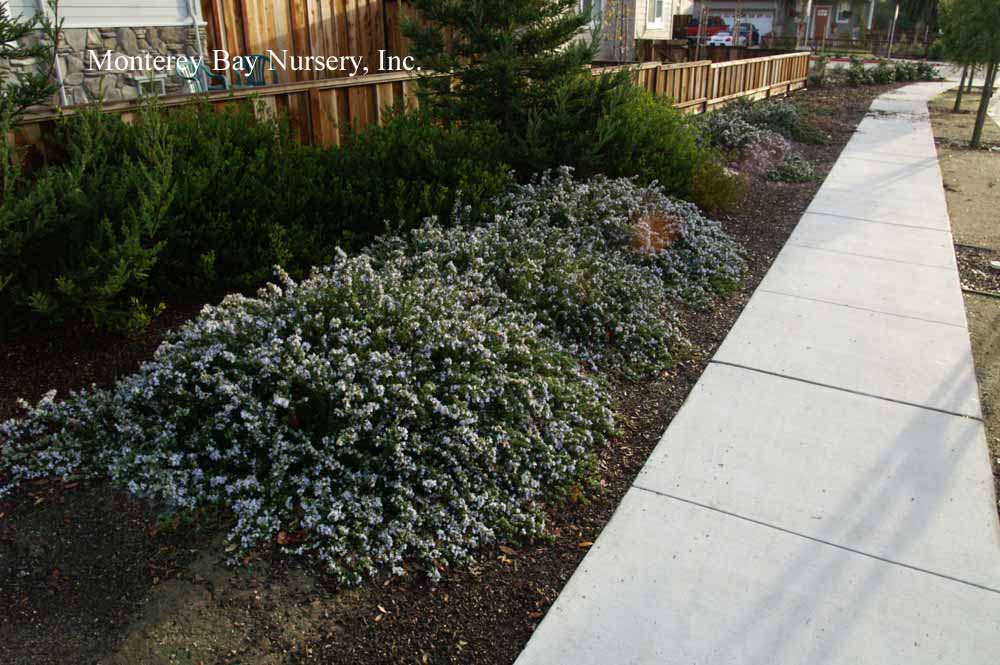
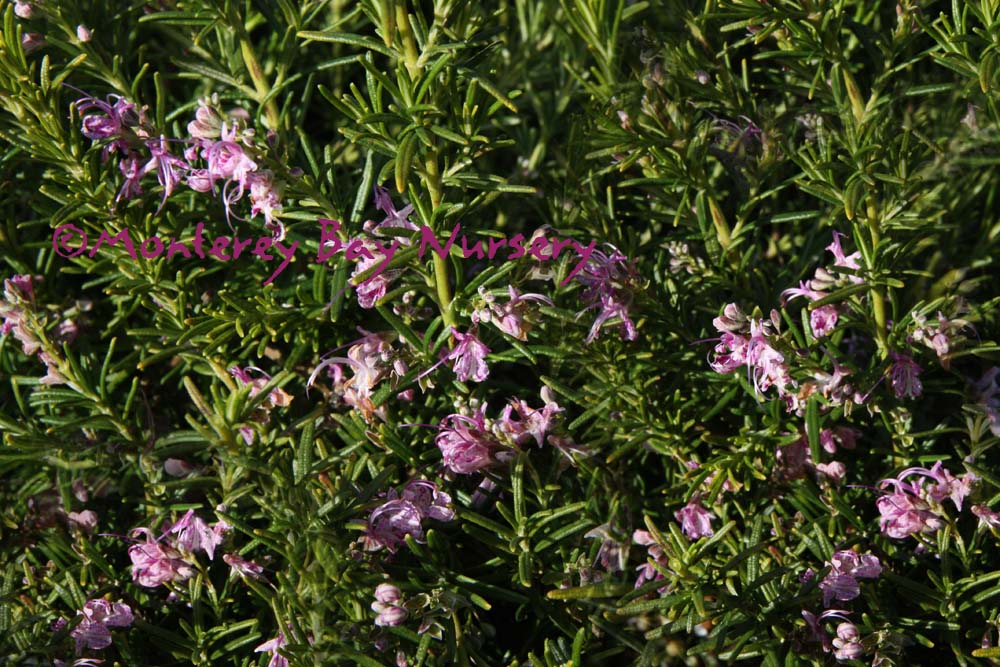
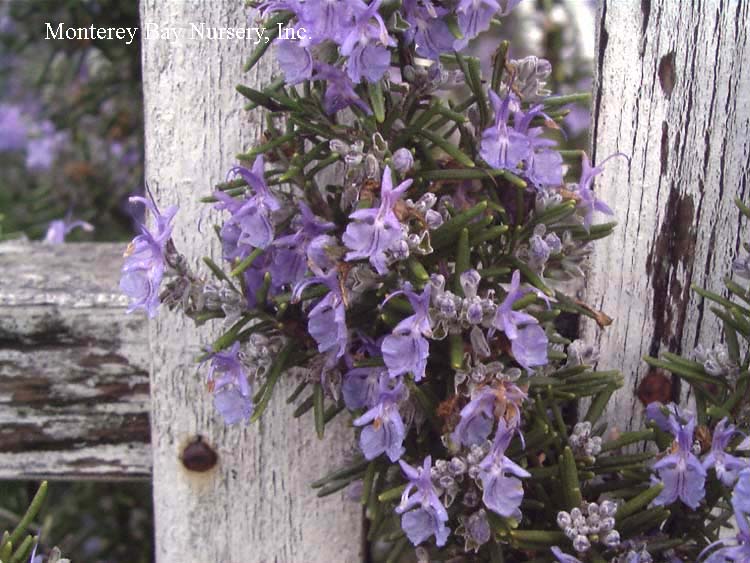
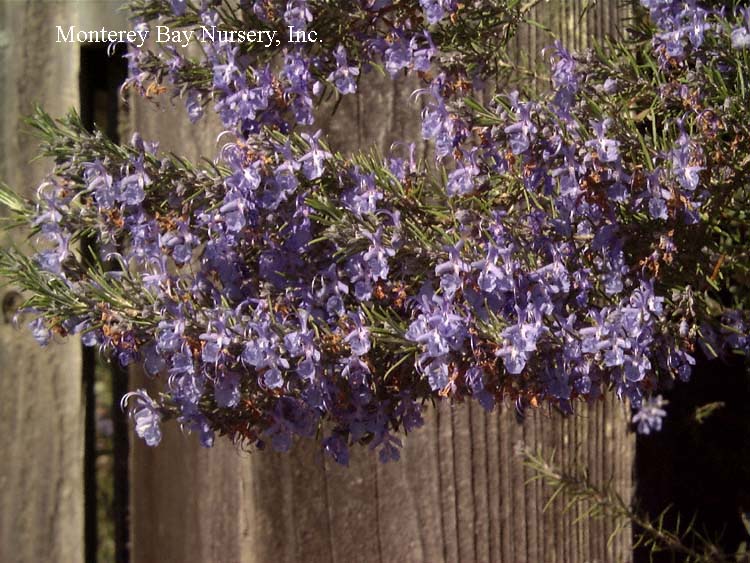
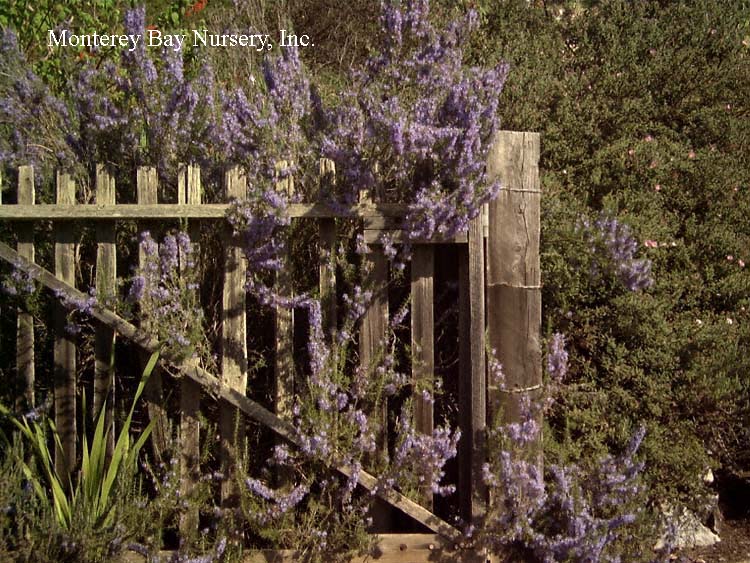
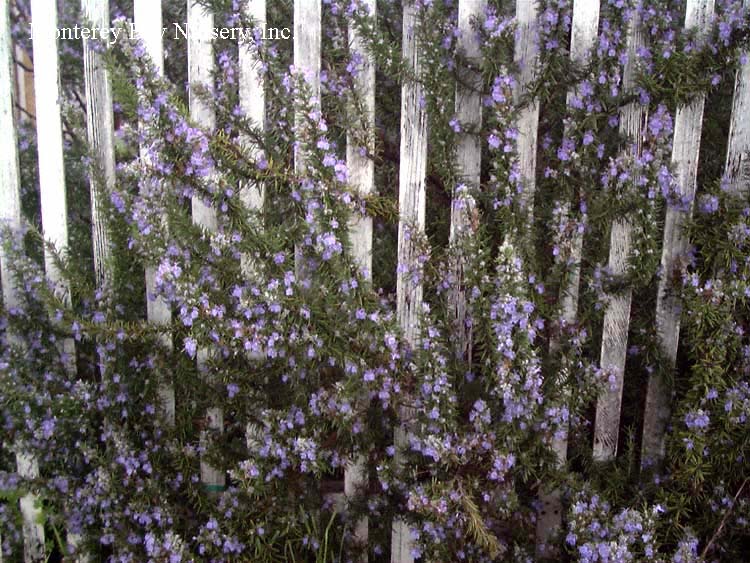
Rosmarinus officinalis ROSEMARY this amazingly tough Mediterranean shrub ranges from tall and upright to almost flat and spreading in form, often with attractive, gnarly, sinewy trunks and stringy, peeling bark on horticultural forms. The dark green needle-like leaves are used as seasoning, although the upright and semiupright varieties usually taste better than the prostrate types, which can have a flavor closer to turpentine. Light blue to dark blue flowers usually appear in a heavy wave in late winter or early spring, with some buds opening in late fall if there 's early rain. Actually buds will initiate on any new, mature branches which are mature and have experienced just a modest amount of morning chill, meaning all-year flowering in much of near-coastal California though they usually need irrigation in drier Southern California. Grow all in full to mostly sun exposures and in average to granular, mineral soils. They only need occasional summer watering in Mediterranean climates, but they should have some or else by August they will look like the very brown native plants growing on your nearest slope. I've even seen it do fine in the for-real desert - Joshua Tree/Twentynine Palms - it just needs to be watered. As far as I can tell all rosemaries, along with all Phlomis and Lavanders, are completely gopher-proof and don't need to be planted in baskets. But I am willing to modify that opinion upon the presentation of contrary evidence. Likely this traces back to very long-term selection for resistance to the Mediterranean's equivalent of our pocket gopher. Zones 4-24/USDA zone 7. Labiatae/Lamiaceae.rev 8/2020
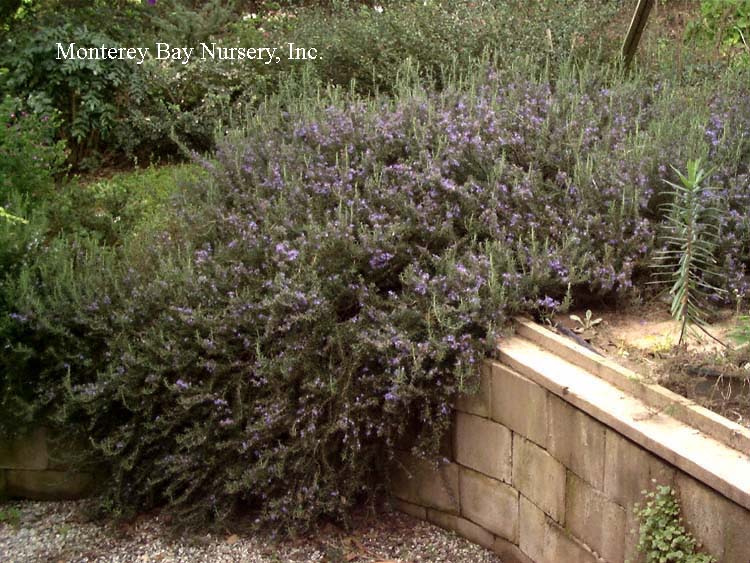
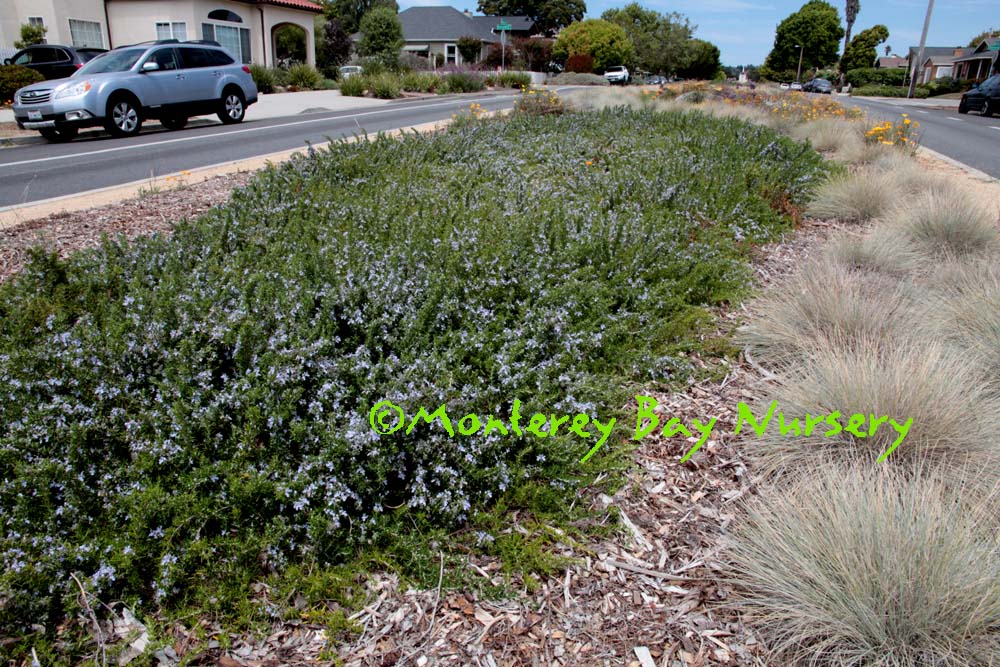
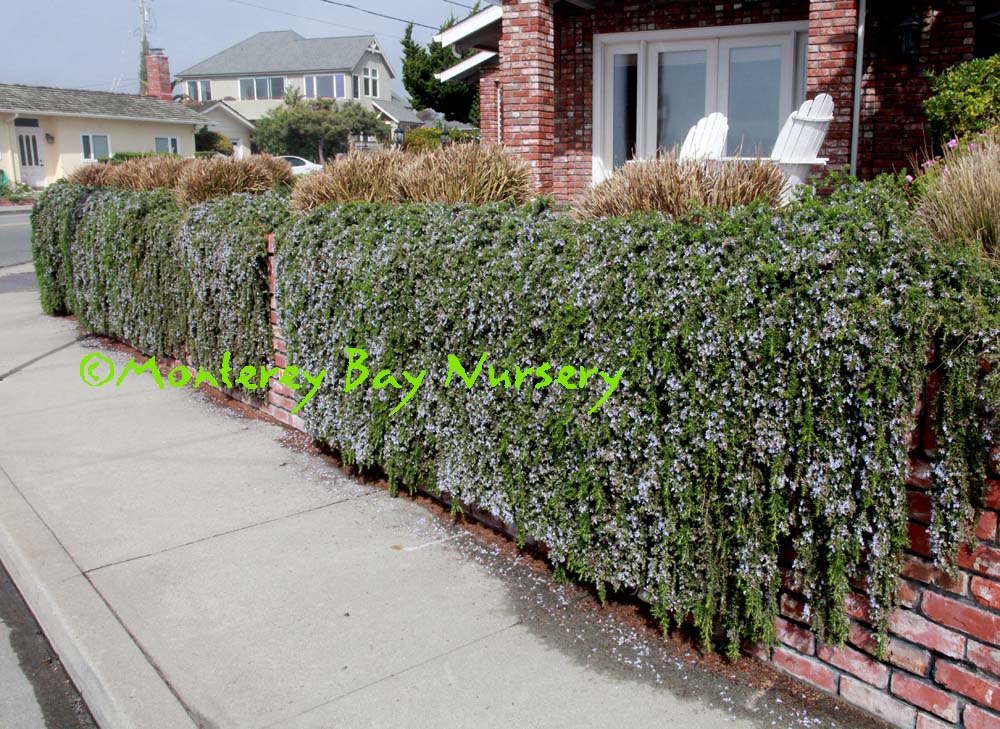
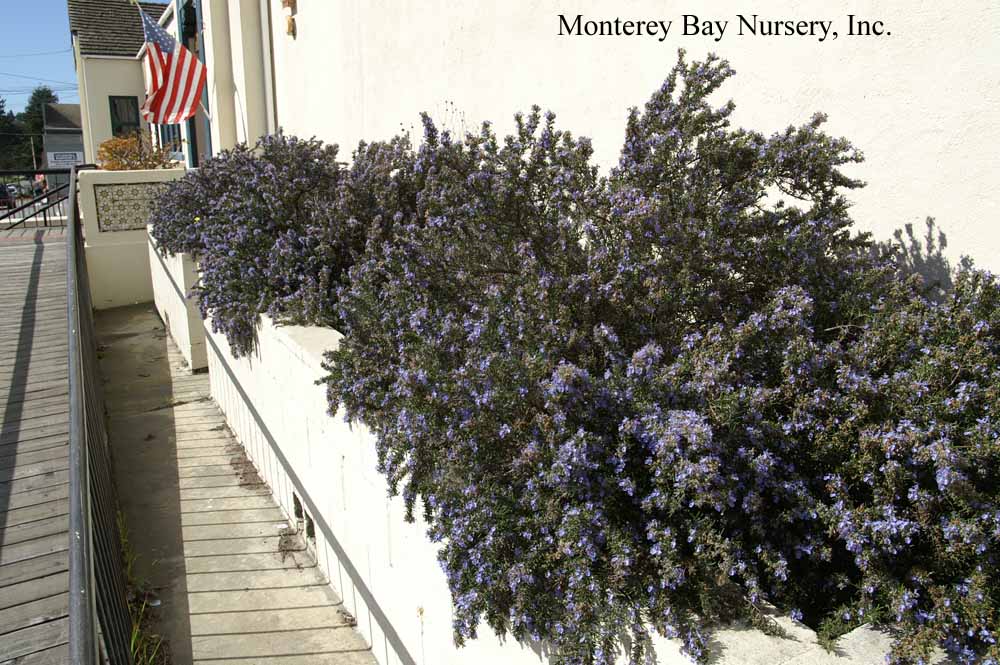
Some varieties grow more or less horizontally, such as ‘Prostratus’ and ‘Huntington Carpet.’ Others are semiupright, like ‘Ken Taylor’ and ‘Benenden Blue’ ('Ingramii'). Try using these latter two as ground covers also; 'Ken Taylor' forms a compact, arching mound while 'Benenden Blue' sends up stems to about 18", with a central zone where they might reach 30" unpruned. The latter sprouts its new growth from the base, sending the branches sideways a short distance before they turn upwards. Both can cover can cover large areas with little vertical profile, though 'KT' must be planted closer while I've seen 'Benenden Blue' cover a 20' circle from a single plant. Both have flower displays that aree much showier than ‘Prostratus,’ being darker blue and better presented. The variety ‘Irene’ is slower, more prostrate and is especially good cascading down a wall as it trails quickly and quite vertically when it encounters any straight drops. All are excellent in containers. rev 4/201
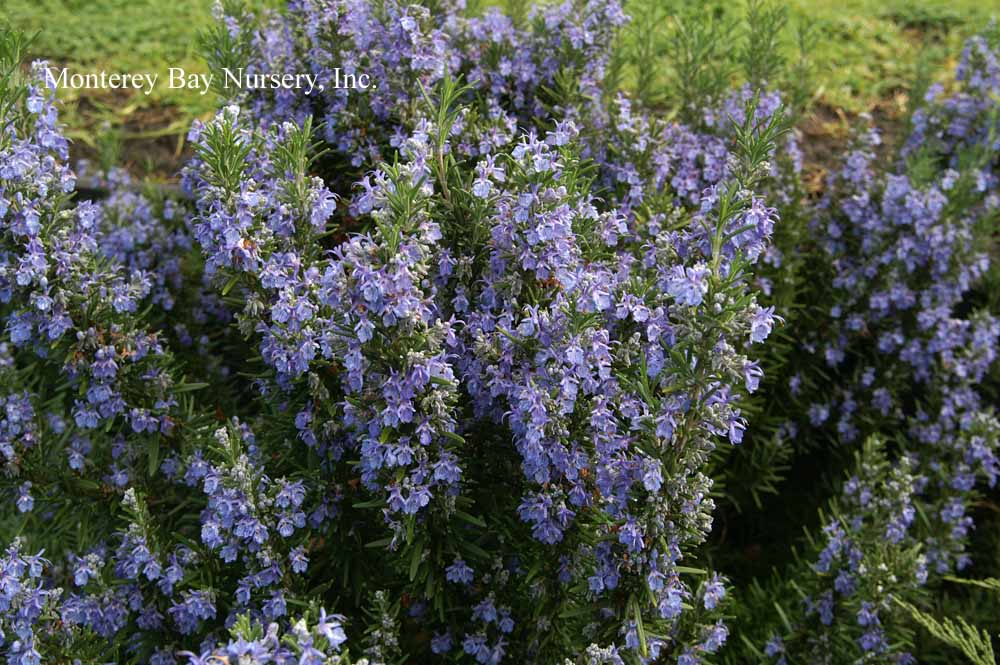
‘Benenden Blue’ (‘Ingramii’) flowers habit old, unmaintained plant at our nursery semierect stems to 30", with dark blue flowers. Collingwood Ingram originally named this selection after his garden, Benenden. Probably the showiest variety, and mature specimens can be stunning in bloom. Good for flavoring too. rev 8/2003
‘Huntington Carpet’ pale flowers Westside Santa Cruz feet from the waves, West Cliff Drive from the Huntington Botanic Gardens, this variety looks like ‘Prostratus,’ but about half as fast, gets about half as tall and wide, and has leaf internodes that are about half as long as ‘Prostratus.’ A lower ground cover variety, and very good for situations where it will cascade, but somewhat open on flat ground. Flowers are the same pale blue. An excellent, vertically cascading variety if given a wall to perform on. Legend has it that this plant is the same as the famous ‘Lockwood de Forest,’ a variety now lost to the trade, but who knows. rev 10/2014
‘Ken Taylor’ flower detail distinctive low, arching habit mother plant source at the Aromas Library 2-year-old Los Gatos landscape, minimal irrigation, bad drought year another angle same place, half shade superficially similar to ‘Benenden Blue,’ but lower, slightly less robust, much more rounded and dome shaped versus short vertical stems that spread by sprouting from the base. Also eaves tend to clasp the stem more, and flowers are slightly darker and a shade more purple. Ken Taylor hisself, in the late 1970s, pointed to the actual, original plant in his front yard in Aromas and told me it was a seedling from the ‘Benenden Blue’ ('Ingramii') growing just above it. rev 12/2017
'Lavender Pink' (not currently in production) flowers this is the best pink form I have found yet. It has a nicest combination of lavender pink flower color with durable, semiupright to horizontal growth. The old 'Majorica Pink' has a lackluster color, and is prone to die-out, and also gets too tall, weaknesses I have noticed in all other pink forms. This one has an alluring hue and is relatively low, and vigorous, and healthy. Plus its color mixes well with regular blue rosemaries. To about 3' tall, spreading. rev 4/2020
‘Prostratus’ closeup habit gnarly trunks young commercial planting to 24-30" tall, more with age if unrestrained, spreading or trailing outwards and rooting branches in. Great cascading down rock walls or as a groundcover where its interior structure can be appreciated. Bare, gnarled, ribbed and buttressed branches and trunks become festooned with shreds of ribbony bark and, in cool/humid areas, lichens. Its pale blue flowers are subtle and nicely showy but not spectacular. Solitary specimens trained and pruned to highlight the stem and bark features and can be quite dramatic if you can prevent The Landscaper from cutting it back to a stump. rev 8/2003
‘Rentzel's Irene’ flower color very prostrate, very compact, very pendant growth with darker blue flowers. Intensity of color improves with age, first year plants and all but very old container plants both have light blue flowers, with time they become deep blue. A slow grower until it encounters "down," then it speeds up noticeably, with much longer internodes. Named after Phil Johnson's wonderful dog Irene. rev 8/2019
'Rose' (not currently in production) blooms this is another form we fetched from Portland, with light pink flowers marked with deep rose red on the petals. The overall effect is of dark rose pink color. It is a dense, spreading, upright grower, slower than most, with fine textured, slightly golden-hued foliage. The leaf color is a nice change, and adds off-season interest. rev 3/2011
‘Tuscan Blue’ closeup more flowers habit with cactus even more flowers a fast, tall shrub to 6-10’, with medium blue flowers. Probably the best variety for seasoning, with a sweeter, spicier, less turpentine-like flavor. rev 8/2003
'White' deer and drought tolerant, evergreen and fragrant, here is the herb with white flowers instead of blue. For your moon garden! Upright spikes of foliage to about 4', loving sun and heat. Dark green leaves combine beautifully with its old friend, lavender, and they both make excellent subjects for big clay pots. Due to the attracting to bees, hedges in the orchard and kitchen garden make a lot of sense. rev 2/2012-Suzy Brooks
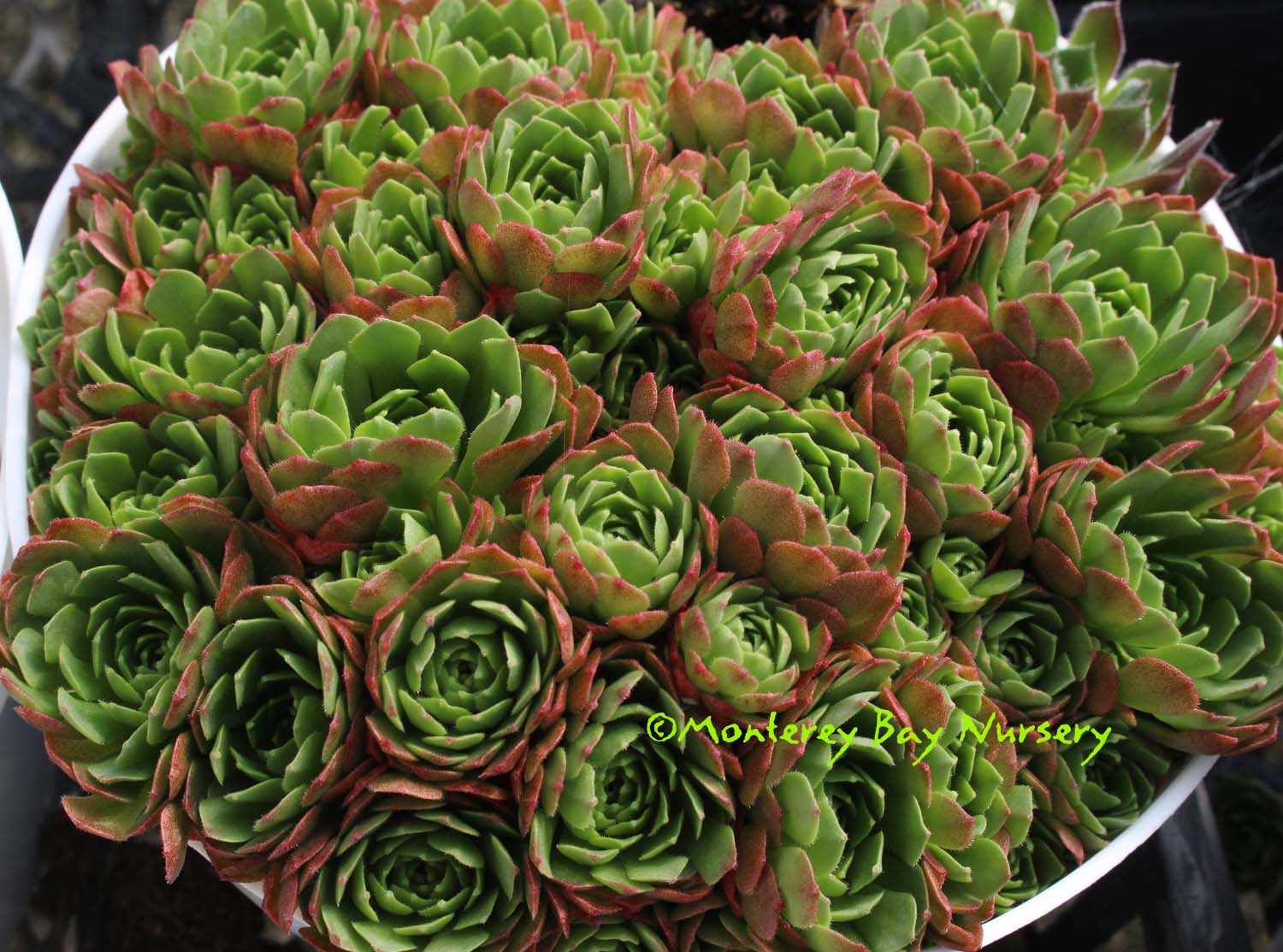
Rosularia a
large, diverse genus of rosetting succulents closely resembling Sempervivums
but with flowers like those of Echeverias. Many are
extremely cold hardy, to USDA zone 5 or lower. Some are difficult
and demanding to grow, needing perfect drainage and often dry,
cold winters. Those we grow are easy and forgiving. Native to
Europe, N. Africa and the Himalayas. Crassulaceae. rev 10/2018
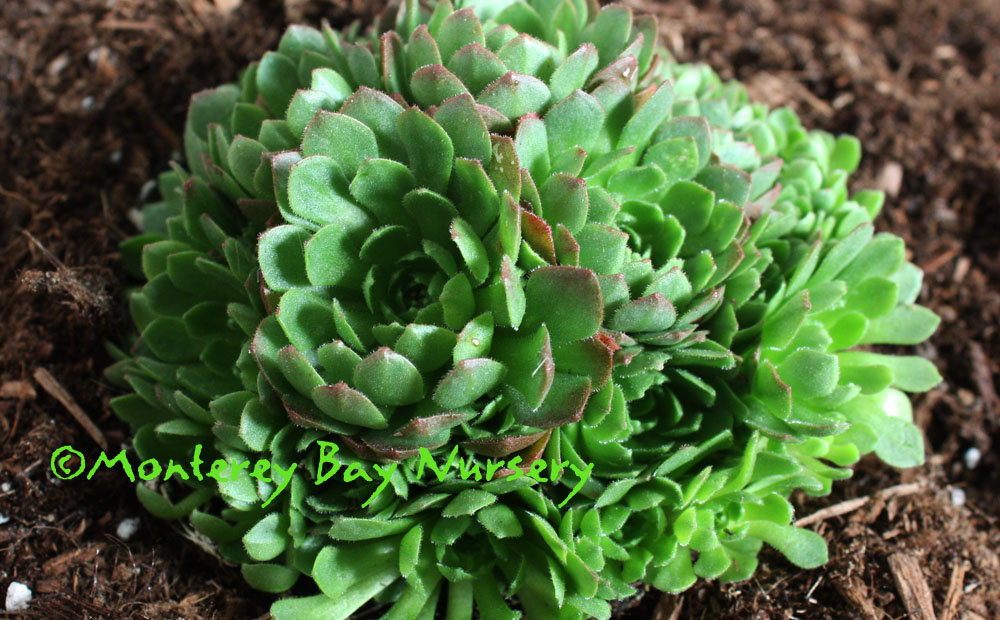
chrysantha TURKISH HENS AND CHICKS velvety leaves, tight clump nice 6" pot specimen this very easy and forgiving little Sempervivum relative and lookalike hails from Turkey. It slowly forms colonies of very small, silvery green rosettes that are just right for wall gardens, troughs, stone sinks, old hiking boots, birdhouse roofs, gnome-heads, broken down tractors, old rotten tires, any AMC Gremlin or Pacer, but especially those in lime green, most especially the Pacer Wagon, and absolutely any Chevy Vega, any year at all, in any color. As long as each of those spots is sunny, and well-drained, it will thrive. Oversized stalks of white, upward-facing, bell-shaped flowers come in summer and greatly resemble the flower displays of Echeverias. Takes plenty of cold, but not too keen on heat so give it part shade in hot areas. USDA zone 5/Sunset 1-24. rev 8/2020
muratdaghensis compact rosette forms a tightly clustered colony of small, green, slightly hairy rosettes, shading bronze on the older outer leaves when grown outside in cool conditions. Haven't seen it bloom so we're not sure about flower color yet. One of the easy and forgiving species, tolerant of wet winters. No info yet on its natural distribution. USDA zone 5. rev 10/2018
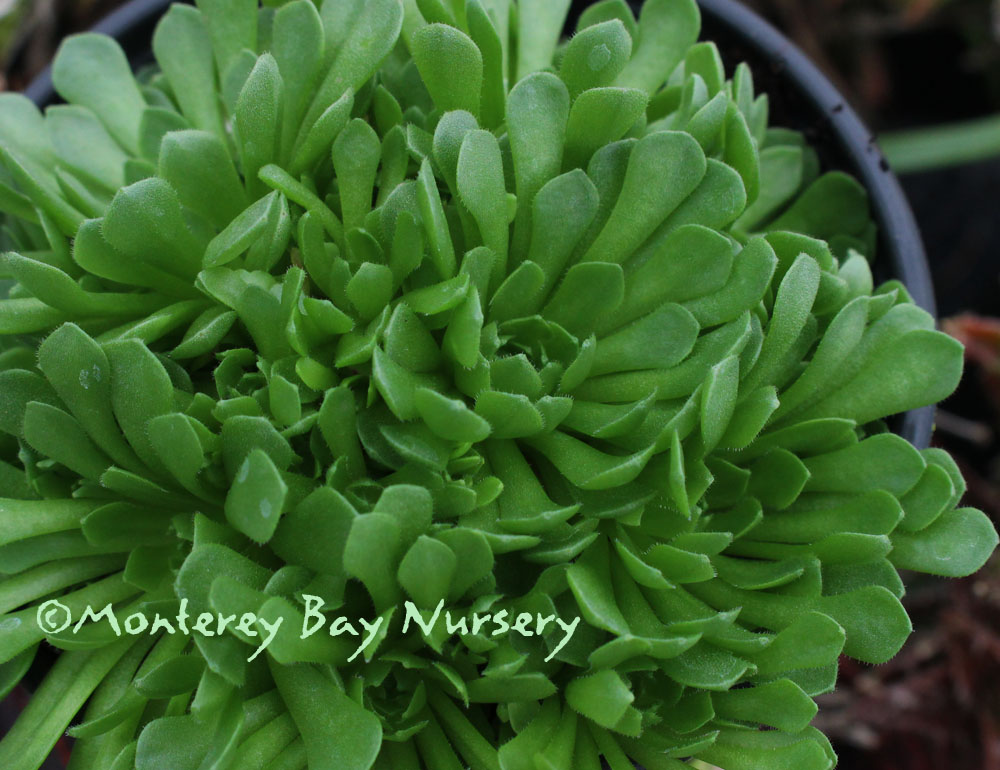
rechingeri young 4" pot specimen narrow, slightly spathulate green leaves show burgundy tints on older leaves, especially in cool weather. With age and sun exposure mature leaves develop a silvery sheen. Typical tight, clumping rosettes. Short spikes hold upward-facing white flowers with petals lined pink in the center, summer bloom. Another easy, forgiving and very cold hardy variety. Grow in full sun to mostly shade with good drainage and some summer watering. Asia Minor. USDA zone 5. rev 10/2018
Rubus -Berries see Blackberry
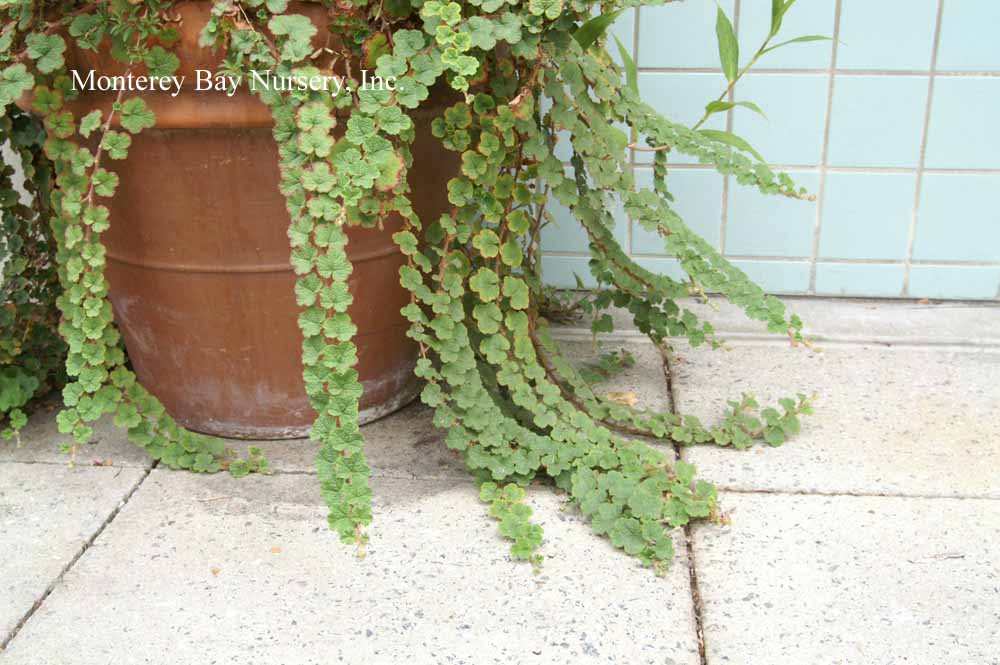
Rubus calycinoides CREEPING RASPBERRY
foliage &
habit that's what we call it here, the real
name is probably R. hayatakoidzumi. This deciduous to
semievergreen raspberry relative has small, lobed, quilted dark
green leaves with tomentose undersides. The foliage turns purplish
in cool weather and drops quickly in cold climates but is retained
until spring in mild climates. Large, single, white, 5-petaled
flowers are nice but not spectacular. They do set wonderful,
sweet, orange, salmonberry-like fruit that are quite ornamental in
late summer until the birds (or you!) feast on them. Spreading
stems quickly root in, forming a matted groundcover to 6-12" tall
that can spread quickly with some irrigation. This is a good
ground cover or erosion control plant for part shade as well,
although it grows well for us in full sun along the coast. It
looks good in woodland gardens, as well as used around hardscapes
or shade gardens using such plants as azaleas and camellias. It is
nice creeping around and defining the edges of large rocks,
boulders, stumps, or even wood or stone path or raised bed
edgings. USDA zone 7/Sunset zone 4-9, 14-24. Taiwan. Rosaceae. rev
4/2017
Rudbeckia
CONEFLOWERS, BLACK EYED SUSAN annuals, biennials and
(mostly) perennials with daisy-like flowers in branched
inflorescences, occasionally rayless and usually with prominently
raised central disc columns. About 25 species, all native to North
America, with 4 native to California, mostly native to drier,
western shortgrass prarie and moister eastern tallgrass praries
with a few woodland or true wetland species. Deer and rabbit
resistant. Closely related to Echinacea, Helianthus
and Ratibida this Linnaean genus was named by him for the
polymath Rudbecks, Olaf the Elder, and Younger.
Compositae/Asteraceae. rev 8/2020
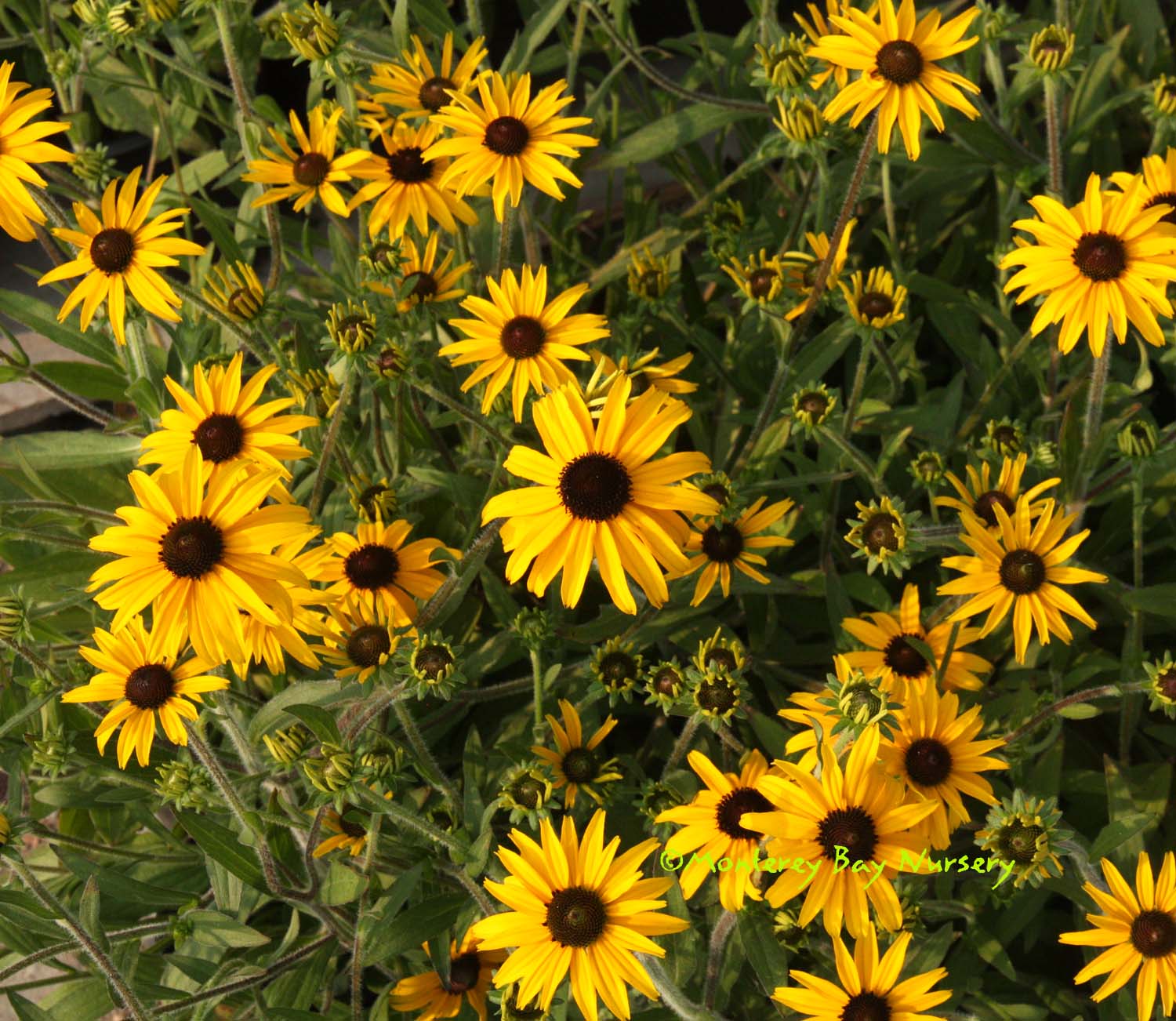
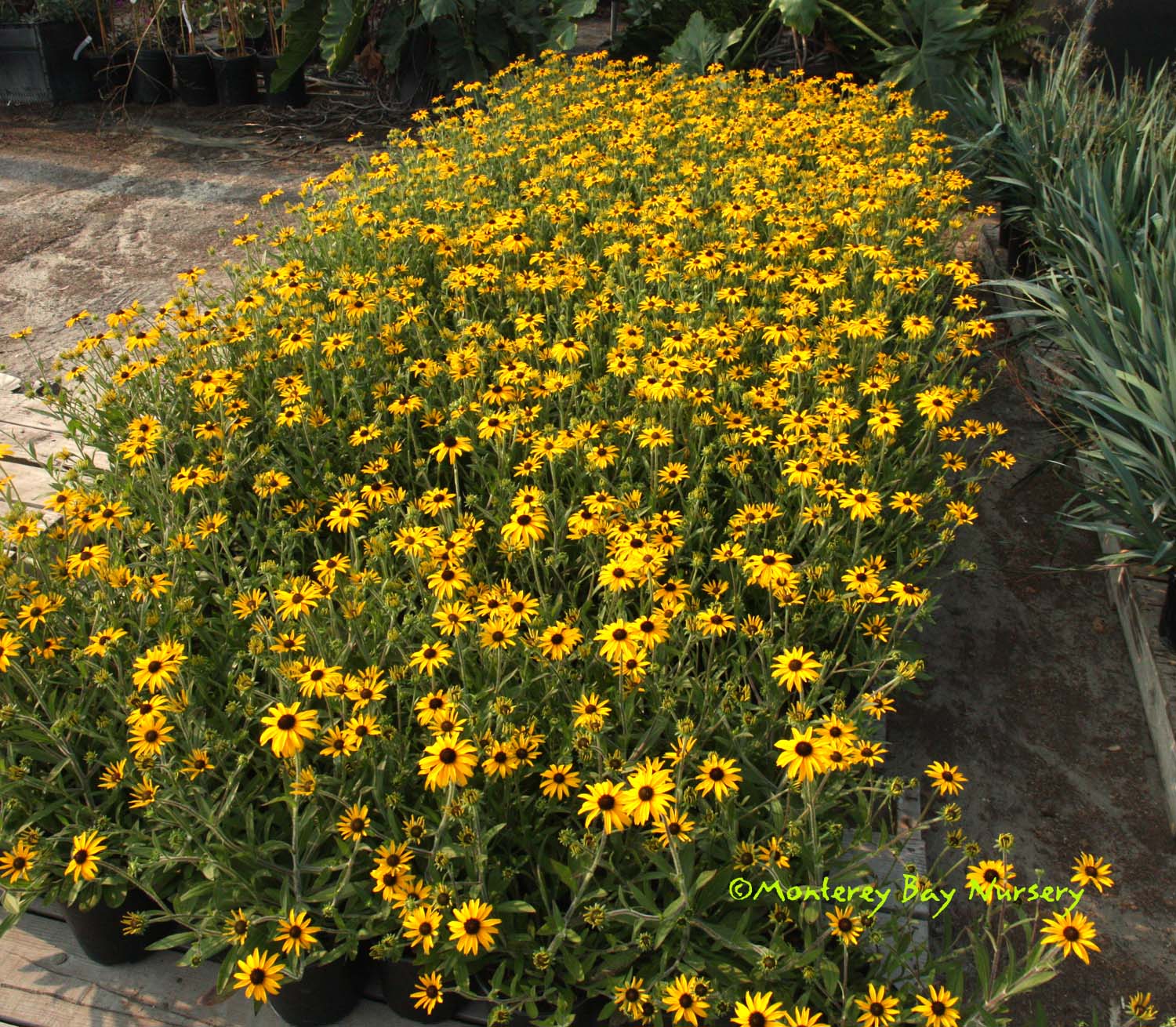
'American Gold Rush' PP28498 familiar flowers nice order an apparent open-crossed hybrid of seed-parent R. fulgida v. deamii, a more compact form of that outstanding perennial species. This sterile seedling was selected primarily for its high resistance to the obnoxious Septoria leaf spot and other fungi that can devastate Rudbeckias. Flowers reach 3" across and are lighter yellow, closer to R. hirta. It is very compact (smaller than 'Goldsturm'), reaching only 18-22" in height by 2-3' across in bloom. Being sterile its energy is directed towards producing more flowers instead of forming seeds. We haven't grown it through a full year yet but expect this to be long-day initiation until we see otherwise, with a primary heavy bloom period from mid summer into early fall and light color showing often into early winter. Leaves are narrower, lighter green and more resemble those of the annual R. hirta but don't be fooled - this is a strong, persistent grower and reportedly reliably perennial. As much sun as possible, average to good drainage, average watering, great in containers too. The All-American Selections Herbaceous Perennial Winner for 2020. rev 6/2021
hirta 'TigerEye' (not currently in production) closeup mass display nice edging concept this is a great Goldsmith/Syngenta strain, the first F1 hybrid Black Eyed Susan. We've noticed this knockout two years running at our industry's Spring Pack Trials, where it puts on a stunning, mass flowering show. It is a very improved Gloriosa Daisy that offers bright golden yellow, semi-double flowers with brown button centers. It is very uniform, and you can count on each one growing 16-24" tall and wide, with low branching for a lot more flowers, and increased disease resistance (especially for mildew). One of the best for late spring through mid fall color, attracting butterflies, and making long lasting bouquets for those summer picnics. A worthwhile summer/fall annual for all zones. Use it with anything silver, anything blue, anything purple, or red, or white, or against any dark background where it is just stunning. Combines with both soft and hard colors. rev 6/2011
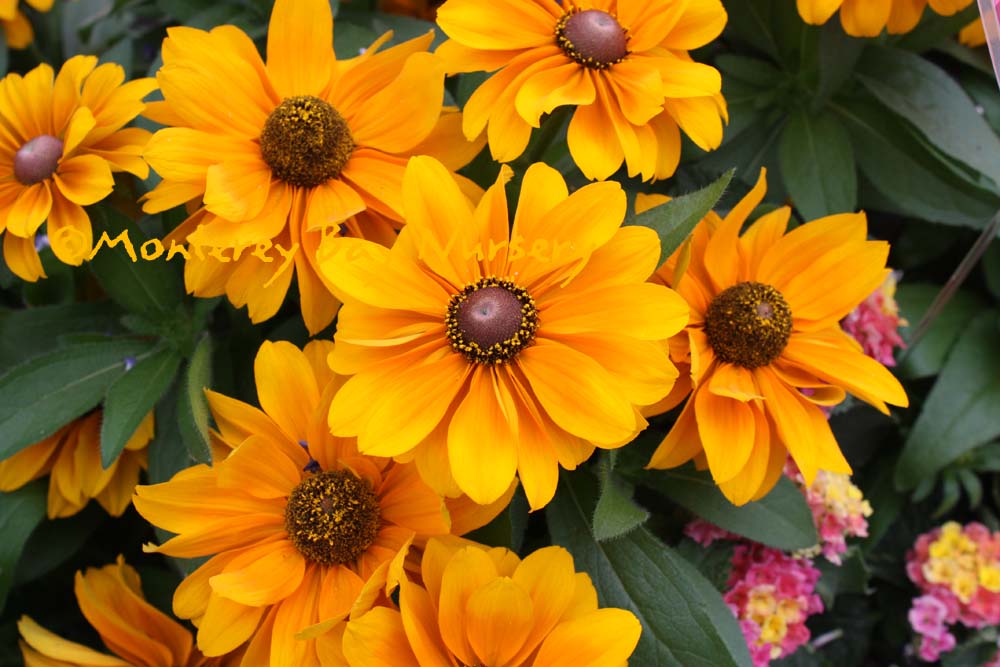
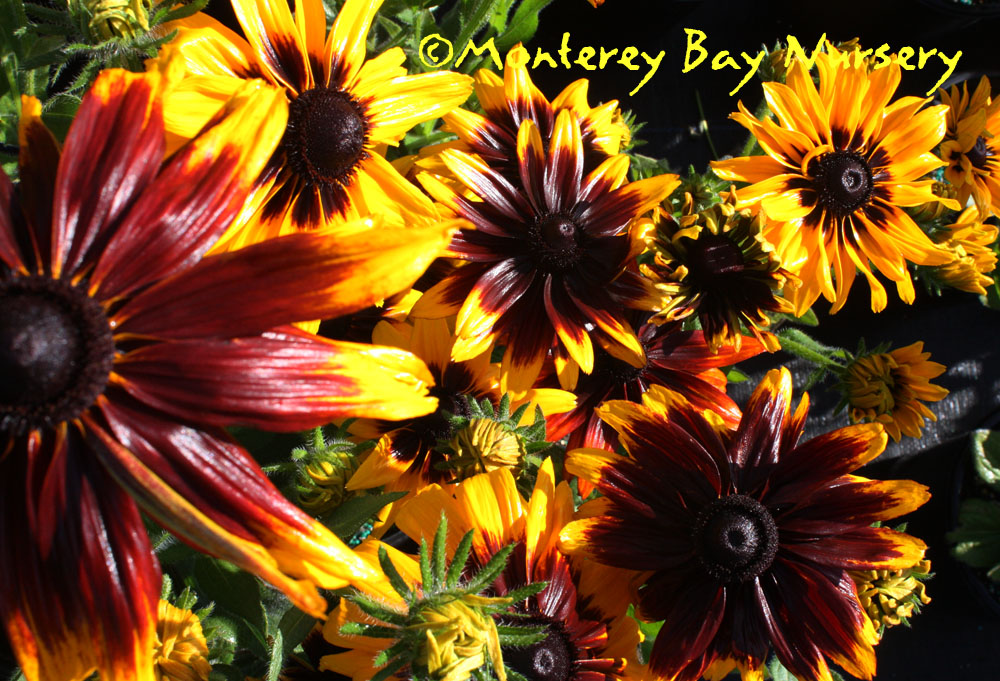
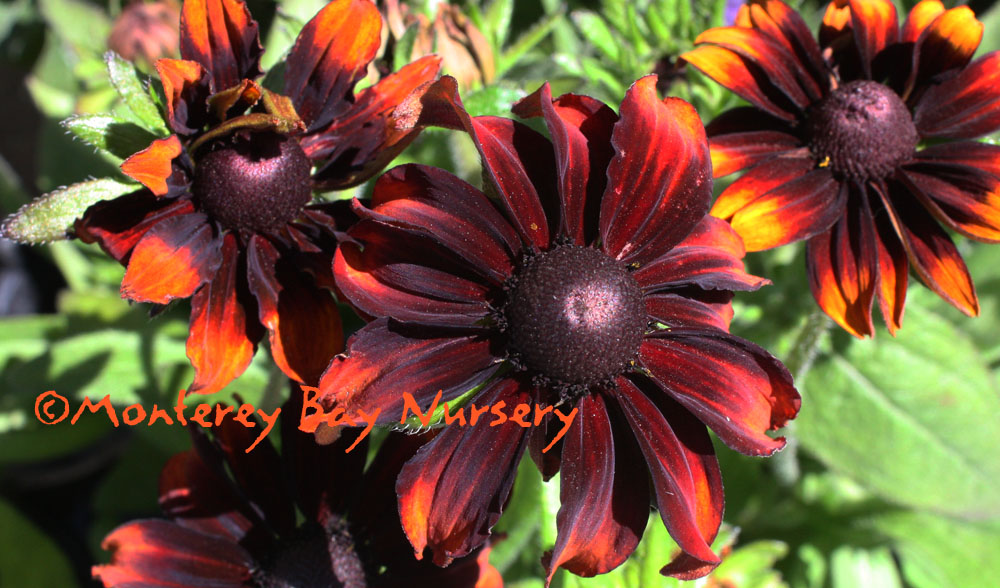
'Denver Daisy' (not currently in production) flowers this daisy celebrates the 150th anniversary of the city of Denver, Colorado. It has huge flowers, to 6-8" across, of yellow, brown, and maroon in various combinations against typical black-brown cones in the center. Very well branched, 22-26" tall, 10-18" wide. Blossoms are loved by bees and butterflies and their strong stems make for glorious cut flowers. Leave the flowers to finish their cycle and songbirds will enjoy the seed heads in winter. Provides easy color in the garden into fall for a sunny spot with average watering. All Sunset zones/USDA 4. rev 7/2014
'Moreno' (not currently in production) flowers a dwarf Blackeyed Susan with brown, orange, and yellow all in cheerful daisy faces, just the right size for planting in pumpkins. Grows to about a foot tall and branches from the bottom, offering autumn colors till frost. Good for a sunny spot with average watering, in the garden or pots. Usually turns out to be an annual, but may reseed or be a tender perennial in well-drained soil in Sunset zones 16-24/USDA 9. rev 8/2014
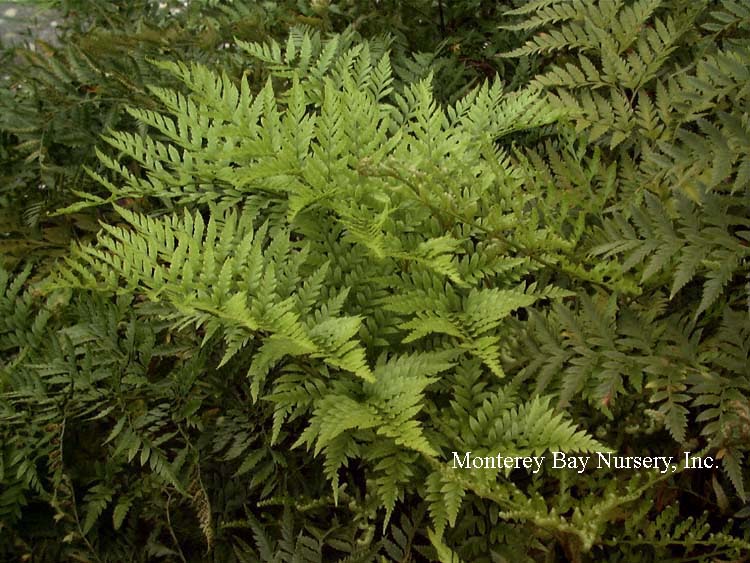
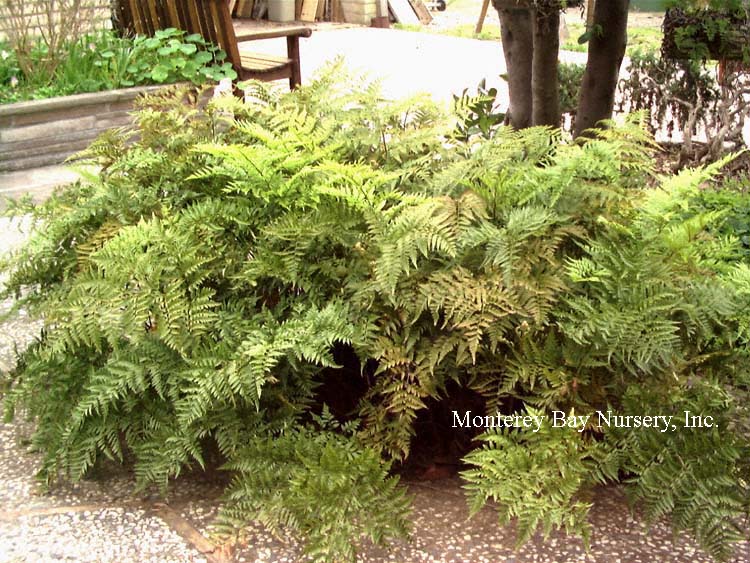
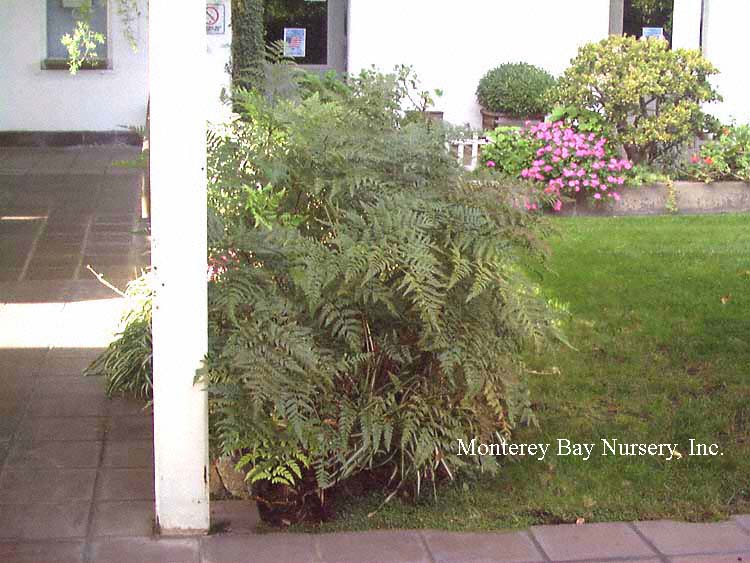
Rumohra adiantiformis LEATHER LEAF FERN, SEVEN WEEK FERN fronds habit old planting an evergreen fern, bearing wide, glossy, light to deep green triangular fronds up to 3’ tall. Used by florists as filler or background with cut flowers, this fern is also an admirable garden or landscape performer that resists scuffing and abuse that would bruise more tender varieties. Thus it is often one used in commercial landscapes. Plant it in shade and give it average to infrequent watering, but always enough to keep it from drying. Damaged below 25°F. Found in many areas in the southern hemisphere. Polypodiaceae. rev 8/2003
'Iberia'
(not currently in production)
more compact. rev 8/2007
'Variegated' a different species entirely, see Arachniodes simplicior.
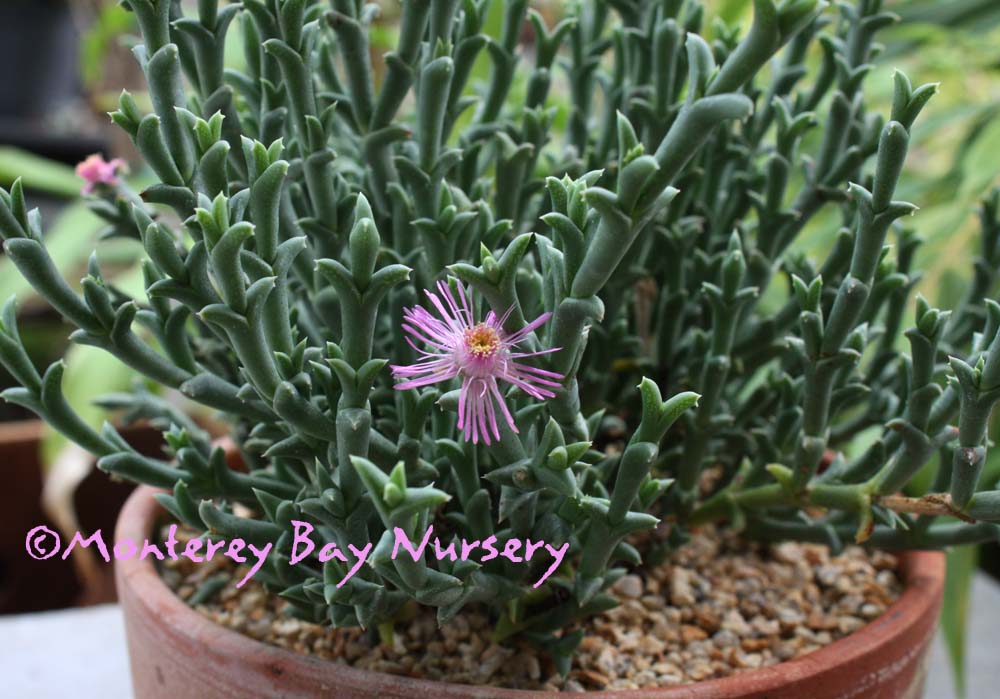
Ruschia pulvinaris with Sempervivum from South Africa, a cold hardy, succulent iceplant with a tough constitution and tons of violet pink flowers in early summer. Blue green evergreen foliage makes a dense mound 3-4" tall and 12" wide. Beautiful trailing over in pots, growing against rocks, and as groundcover. Sun, little water once established, does like well drained soil. Aizoaceae family.Sunset zones 1-24/USDA 5. rev 4/2011
Rusellia about 45 species, some shrubby, some pendant, some short, and some with branches to 15-18' long. Caribbean, Central America. Plantaginaceae, formerly Scrophulariaceae. rev 8/2020
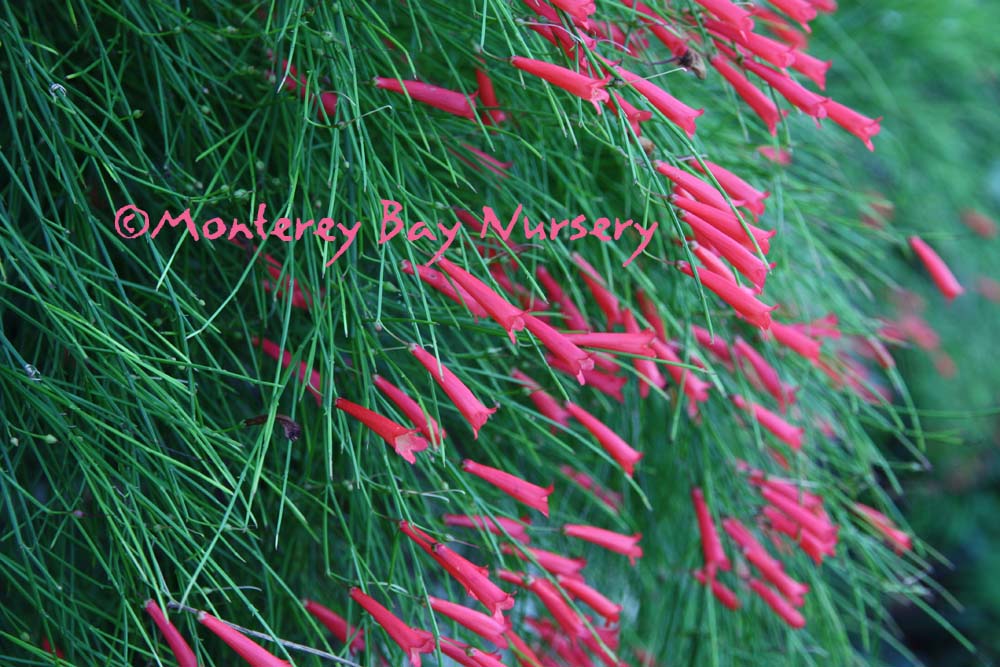
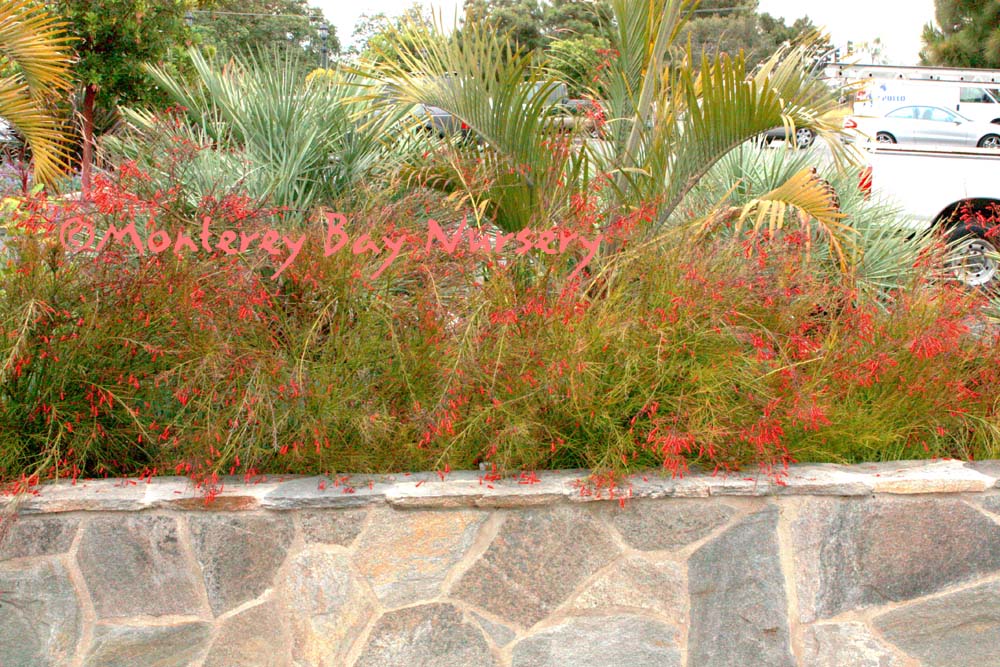
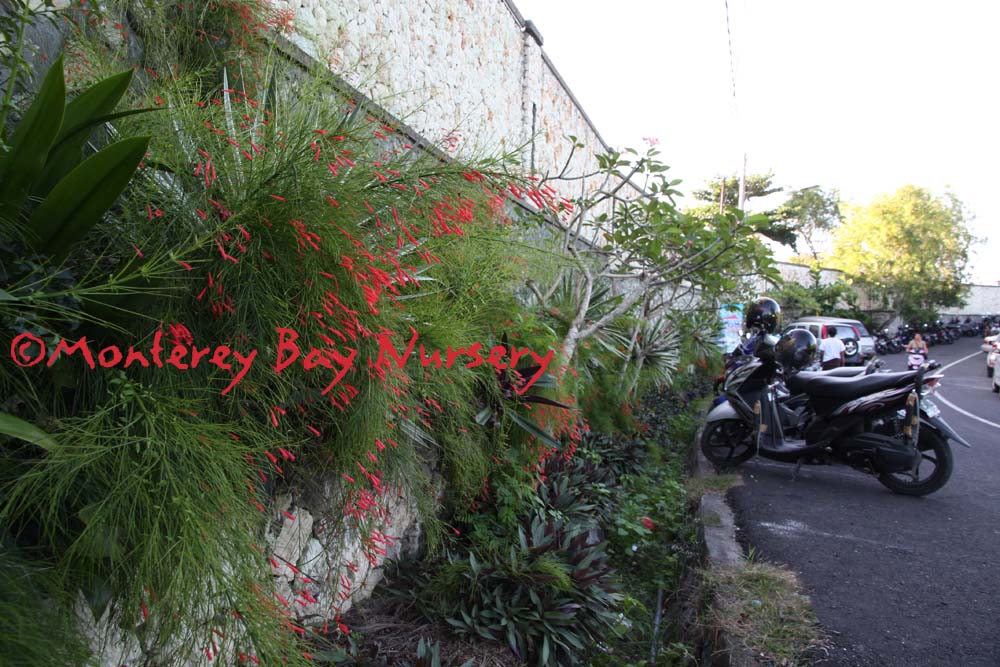
note: all above text and images ©Luen Miller and Monterey Bay Nursery, Inc. except as otherwise notedequisetiformis FIRECRACKER PLANT flowers as shrub, Rogers Gardens Bali a spreading, spilling, or scandent perennial shrub grown for its horsetail-like foliage and nice show of tubular red flowers. This is most often seen as a hanging basket or container plant, where its mostly sideways to pendant growth habit best displays the 2" flowers in termial sprays. But it can form a partially upright shrub to 3' or so if clipped. This can be found grown as a garden ornamental throughout the tropics, subtropics and points north to anywhere it gets an extended, direct freeze, at which point it becomes a container subject or even a houseplant. Hummingbirds love it, of course, as it is native to the land of their people. Sunset zones 19-24/USDA zone 9. rev 8/2020
'St. Elmo's Fire' flowers a new hybrid involving R. equisetiformis which grows larger and has more intense red flowers. To 4' tall by 6-8' wide, with a more erect yet still cascading habit. USDA zone 9/Sunset zones 13-14, 16-17, 19-24. rev 11/2018
'Yellow' tubular flowers pale yellow flowers. Ideal for spilling over pots, raised beds, or walls. Same size. Sunset zones 14, 19-24/USDA 9. rev 10/2010